

By 2026, sound meditation has transitioned from a niche wellness trend into a mainstream necessity for those battling the burnout of modern life. If you have been searching for a way to quiet the internal chatter of your mind, you may have encountered the term “bathing” in sound.
However, understanding what a sound bath requires looks beyond the poetic name to the actual science of frequency and vibration. This guide explores the practical reality of sound bath meditation and how it serves as a powerful tool for your mental peace.
What Exactly Is A Sound Bath?
At its core, a sound bath is an immersive, full-body listening experience designed to wash away the stress of the day. Unlike a standard musical performance, a sound bath meditation is a deliberate orchestration of frequencies that interact with the water in your cells and the electricity in your brain.
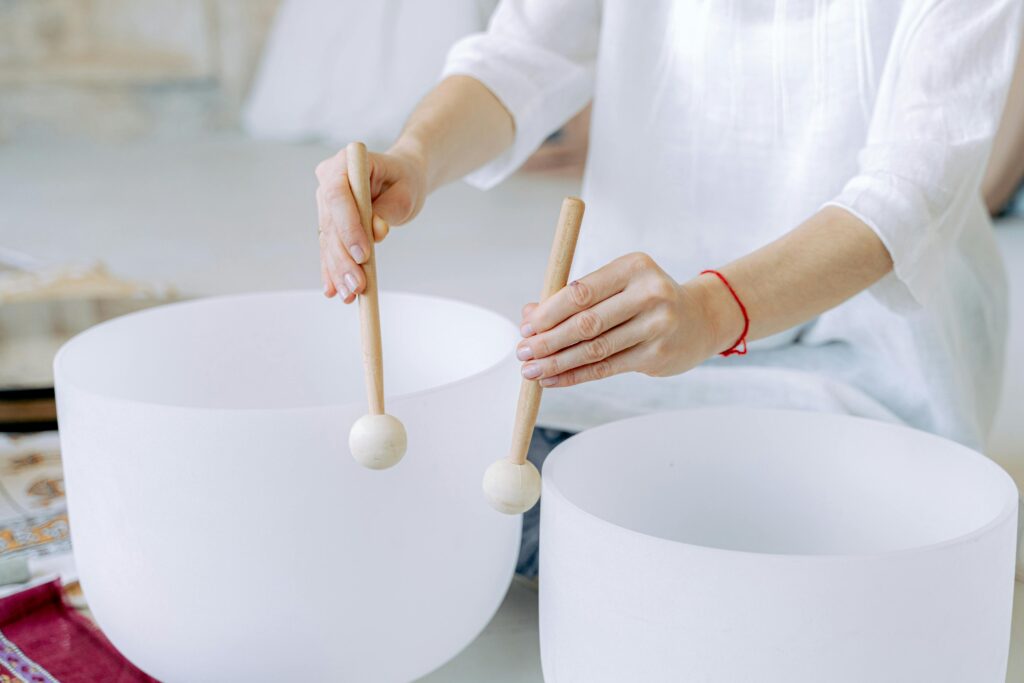
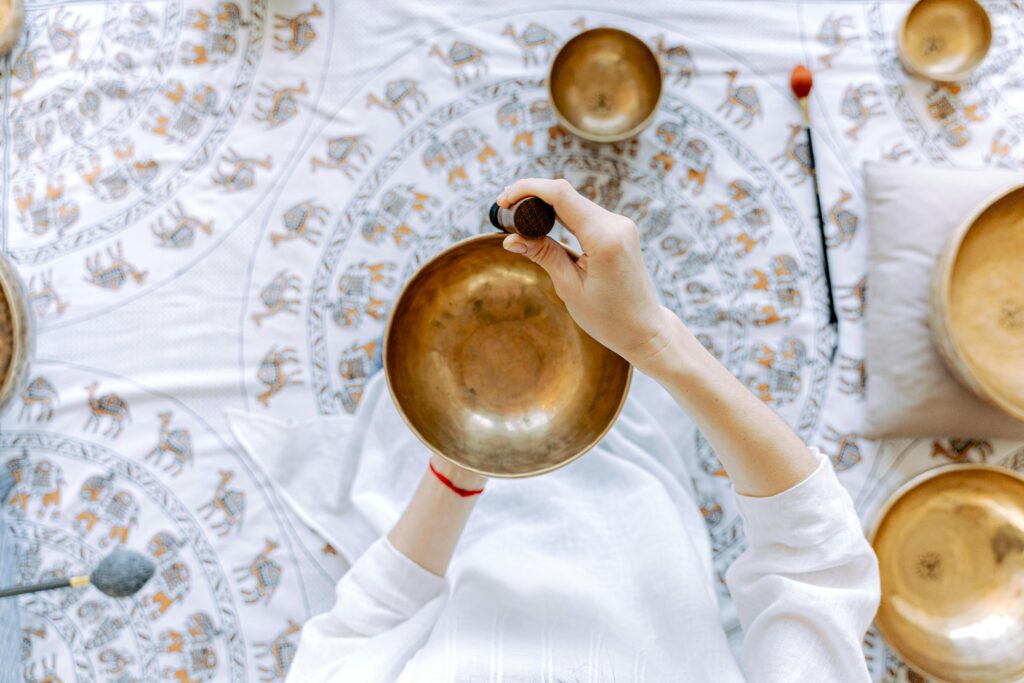
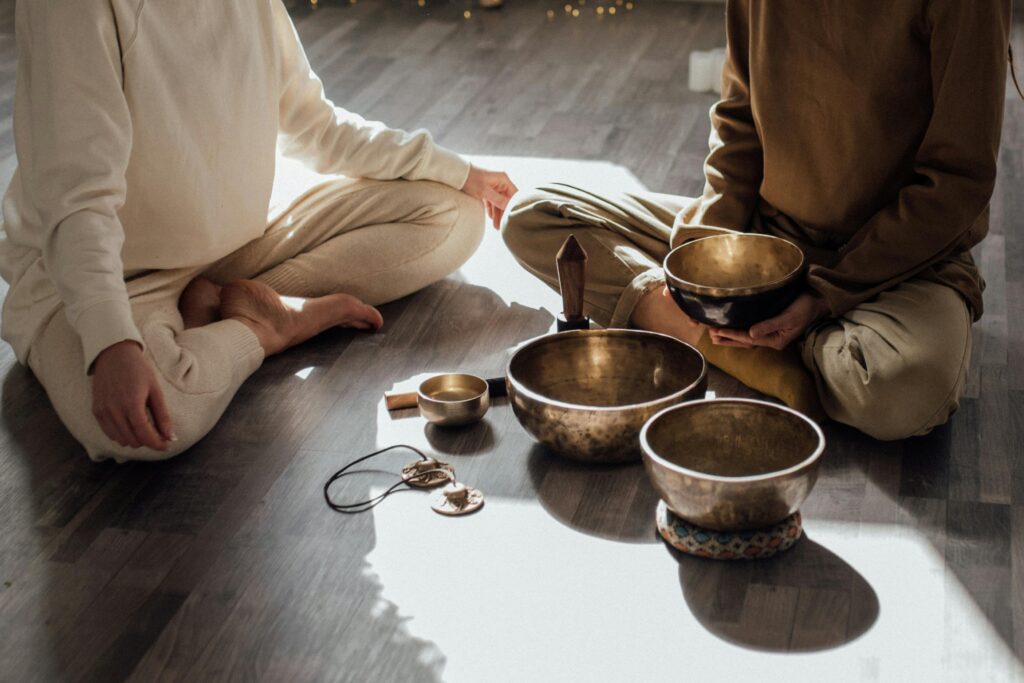
When we define what is a sound bath in a modern context, we’re describing a session where a practitioner uses instruments like Tibetan singing bowls, crystal bowls, and large gongs to create a landscape of sound. Unlike listening to music through standard speakers, these acoustic vibrations physically resonate within the body.
This process helps shift the listener’s brain from a state of high alert activity into a deeply restorative state, allowing for a profound sense of immersion that traditional audio cannot replicate.
Realistic Sound Bath Benefits for 2026
By 2026, clinical observations have provided a much clearer picture of how sound impacts our nervous system, moving the conversation away from magic and toward measurable wellness. The most prominent sound bath benefits are rooted in the body’s ability to achieve deep relaxation through sound.
One of the primary advantages is the significant reduction in cortisol levels. By stimulating the vagus nerve and triggering the parasympathetic nervous system, sound meditation allows the body to exit the chronic “fight or flight” mode that characterizes modern work life.
Furthermore, the specific frequencies used in these sessions facilitate brainwave entertainment. This is the process where your brainwaves synchronize with the external frequency, moving from the rapid Beta waves of active thinking into the slower Alpha and Theta waves associated with meditation and deep sleep. Consequently, many people report enhanced mental clarity, a reduction in the symptoms of generalized anxiety, and a much easier transition into a restorative sleep cycle at night.

What To Expect During Your First Session?
Entering your first sound bath meditation can feel mysterious, but the practical experience is grounded in comfort and stillness. Most participants lie down in a supported position on a mat, often using blankets and eye masks to limit external sensory input.
As the session begins, the practitioner introduces a variety of instruments such as crystal singing bowls, which produce pure, high-pitched tones, or heavy gongs that create deep, rumbling vibrations. You might feel a subtle tingling sensation in your chest or a sense of weightlessness as the sound waves travel through the room.
There’s no right or wrong way to experience the session; some individuals remain acutely aware of every sound, while others drift into a state of “dreaming while awake.”
Sound Meditation vs. Traditional Meditation
Choosing between these two methods often depends on your current mental state and how you prefer to process stillness. While both aim for the same destination of mental peace, the journey looks very different for each.
Sound Meditation
In sound meditation, the practitioner is essentially a passive recipient of external stimuli. The process relies on entertainment, where the brain’s internal rhythms synchronize with the external frequencies produced by gongs or crystal bowls.
Because the vibrations are physically felt throughout the body, it provides a powerful, multi-sensory anchor that makes it nearly impossible for the mind to wander. This makes sound bath meditation particularly effective for high-stress individuals who find it difficult to initiate relaxation on their own, as the sound effectively forces the nervous system into a state of deep rest.
Traditional Meditation
Traditional meditation is a more active, internal discipline that focuses on developing the muscle of mindfulness through silence or breathwork. Unlike a sound bath, it requires the individual to navigate their own internal landscape without the help of external tools.
The goal here is to observe thoughts without judgment and return to a central focus, such as the breath. While this requires more effort and consistent practice to master, it builds an internal resilience that doesn’t rely on any specific environment or equipment. It’s a portable skill, whereas sound meditation is an immersive event that relies on the presence of acoustic instruments.

Common Myths about Sound Bathing
To maintain a realistic perspective on this practice, it’s important to clarify what a sound bath isn’t. While the experience is deeply healing for the mind, it’s a complementary therapy that supports emotional and psychological health rather than a replacement for professional medical treatment.
Additionally, you don’t need to be a spiritual person or belong to any specific belief system to benefit from the experience. The physics of sound vibration works on the human nervous system regardless of one’s personal philosophy.
How to Find A Sound Bath Near You or Do It At Home?
Finding a way to incorporate these sound bath benefits into your life in 2026 is easier than ever. When searching for a local studio, look for practitioners who emphasize the therapeutic and acoustic nature of the practice. For those who prefer a private setting, the at-home experience has been revolutionized by high-fidelity audio technology.
To achieve the best results at home, it’s essential to use high quality over-ear headphones to capture the full spectrum of frequencies. Utilizing specialized wellness apps or lossless audio recordings can provide a gateway to mental peace, provided you create a dedicated space free from interruptions where you can fully surrender to the sound.
Conclusion
The rise of sound meditation in 2026 reflects a collective realization that our minds need a sanctuary from the noise of the modern world. By understanding what a sound bath is and acknowledging its realistic physiological benefits, you can utilize this practice as a powerful tool for emotional regulation.
Whether you attend a live session or practice at home, the goal remains the same: to let the sound do the work for you, allowing your mind to finally find the silence it deserves.
