


The path to booking professional relationships feels like navigating a minefield of confusing vocabulary. Couples standing on the brink of a major breakup or divorce know they need outside intervention, but they get stuck trying to decipher the titles on the office doors. Choosing between a marriage counselor and a couples therapist shouldn’t feel like a guessing game when a relationship is on the line.
The jargon gets tossed around interchangeably, making a blind choice can waste months of time and thousands of dollars though. The quickest way to understand the dynamic is looking at the scope of the problem. A counselor helps fix situational roadblocks in the present, while a therapist uncovers the deep, generational patterns sabotaging the partnership from within.
Let’s look at the real-world boundaries of the counselor vs therapist debate so you and your partner can book the exact profession built to save your relationship this year.
Counselor vs Therapist: The Core Differences You Need to Know
While both professionals provide a neutral, confidential space for partners to speak openly, the difference between counselor and therapist training dictates how they approach relationship distress.
The primary contrast boils down to the timeline of care and the depth of the intervention:
1. Counseling (Short-Term & Solution-Focused)
This approach looks directly at the surface of the relationship. It targets specific, situational issues happening right now. Counseling is structured, practical, and highly focused on teaching actionable behavioral skills to get over a current hurdle.
2. Therapy (Long-Term & Pattern-Focused)
This approach digs underneath the surface. In the therapist vs counselor dynamic, a therapist looks at how historical baggage, childhood attachment styles, and buried emotional trauma from one or both partners are bleeding into the current marriage. It focuses on restructuring deep emotional bonds rather than just solving an immediate argument.

Evaluating for Couples: Marriage Counseling vs. Couples Therapy
Deciding which professional to hire comes down to taking an honest inventory of the symptoms inside the relationship.
When to Choose a Marriage Counselor
A counselor is the right choice when the love is still intact, however the logistics of the relationship have broken down. Partners should look for a counselor if they find themselves caught in petty, repetitive bickering, struggling to resolve financial stress, or failing to agree on major future decisions like parenting styles or career moves. The counselor acts as a practical coach, teaching communication strategies, active listening techniques, and conflict-resolution skills to clear the temporary roadblock.
When to Choose a Couples Therapist
A therapist is required when the foundation of the relationship has suffered severe, structural damage. If the partnership is plagued by long-standing emotional detachment, years of cold-war silence, deep-rooted resentment, or the aftermath of an affair, a counselor’s quick communication tips won’t cut it.
This level of distress requires a specialized psychotherapist vs therapist evaluation to unpack the psychological damage. A couples therapist uncovers the unconscious behavioral loops and emotional defense mechanisms driving the wedge between partners, slowly rebuilding safety and trust from the ground up.

The Financial & Credentials Breakdown (What to Look For)
When searching directories, look specifically for professionals holding a Licensed Marriage and Family Therapist (LMFT) credential or a Licensed Professional Counselor (LPC) designation. LMFTs, in particular, undergo thousands of hours of training explicitly focused on relationship systems and family dynamics, making them uniquely equipped for this work.
Quick Selection Matrix for Couples
| Decision Criteria | Counselor | Therapist |
| Treatment Timeline | Short-term (Weeks to months) | Long-term (Months to years) |
| Primary Clinical Focus | Present-day solutions & communication tools | Root-cause identification & trauma processing |
| Best Fit For… | Navigating sudden life changes or financial disputes | Healing from infidelity, betrayal, or emotional neglect |
When Do You Need to Upgrade to a Psychologist or Psychiatrist?
Sometimes, relationship friction isn’t just about a breakdown in communication; it’s a direct symptom of an underlying, untreated mental health disorder in one partner. If a marriage is buckling under the weight of suspected borderline personality disorder (BPD), narcissistic traits, severe clinical depression, or unmanaged addiction, standard relationship coaching won’t stick.
At this point, the couple needs to pivot. You’ll need to look at a broader Psychologist vs Therapist: Don’t Book the Wrong Expert framework to get a formal psychological evaluation. A clinical psychologist can step in to run diagnostic testing to pinpoint the exact cognitive or personality disorder causing the behavioral disruptions.

Furthermore, if the root issue involves chemical imbalances that require medical management, understanding the difference between a talk-based therapist vs psychiatrist is vital. A psychiatrist can evaluate the individual partner and prescribe psychiatric medication to stabilize the underlying symptoms, allowing the couples therapy sessions to actually become effective.
FAQs
Is couples counseling covered by insurance?
Rarely. Most traditional insurance providers require a formal diagnosis of a mental health disorder for an individual to approve coverage. Because relationship distress or marital friction isn’t classified as a medical illness in standard diagnostic manuals, insurance companies routinely deny couples therapy claims. Always expect to pay out-of-pocket for relationship wellness.
What is the success rate of marriage counseling vs therapy?
Both approaches show high success rates, but only when matched with the right problem. Short-term counseling has a massive success rate for couples who catch their communication issues early. However, forcing an existential relationship crisis or deep betrayal into a short-term counseling framework usually fails, as those complex wounds require intensive, long-term couples therapy.
Can we do online couples therapy effectively?
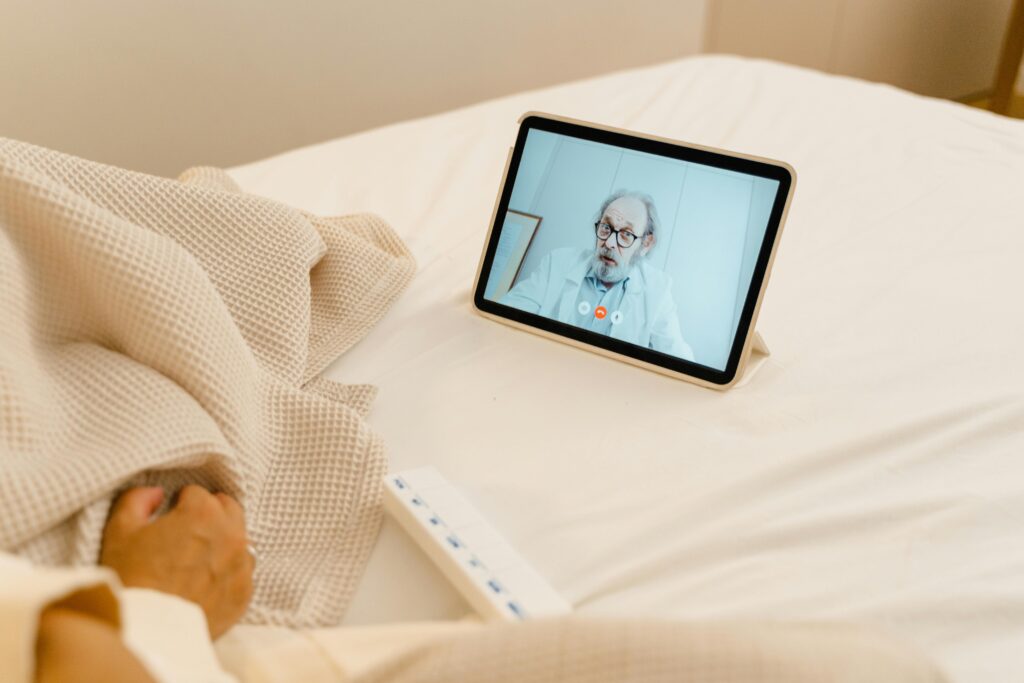
Yes. Telehealth platforms have made remote couples sessions incredibly seamless. As long as both partners can sit in a quiet, private room free of distractions, online sessions offer the exact same clinical benefits as traditional in-office appointments, with the added benefit of fitting easily into busy work schedules.
Conclusion
Saving a relationship requires an immense amount of vulnerability, effort, and honesty from both sides. All of that hard work honestly can go to waste if you’re using the wrong tools for the job. Don’t expect quick communication tips to heal years of deep emotional neglect, and don’t sign up for years of intensive trauma processing if you just need help budgeting your finances as a team. Be completely honest about the depth of the fractures in your partnership, pick the specialist whose training aligns with that exact reality, and book the expert who can actually help you rebuild.
Related Articles
Sound Bath Meditation for Couples: How to Cure Relationship Anxiety
Sound Meditation vs. Talk Therapy: Finding Peace in Your Marriage
