

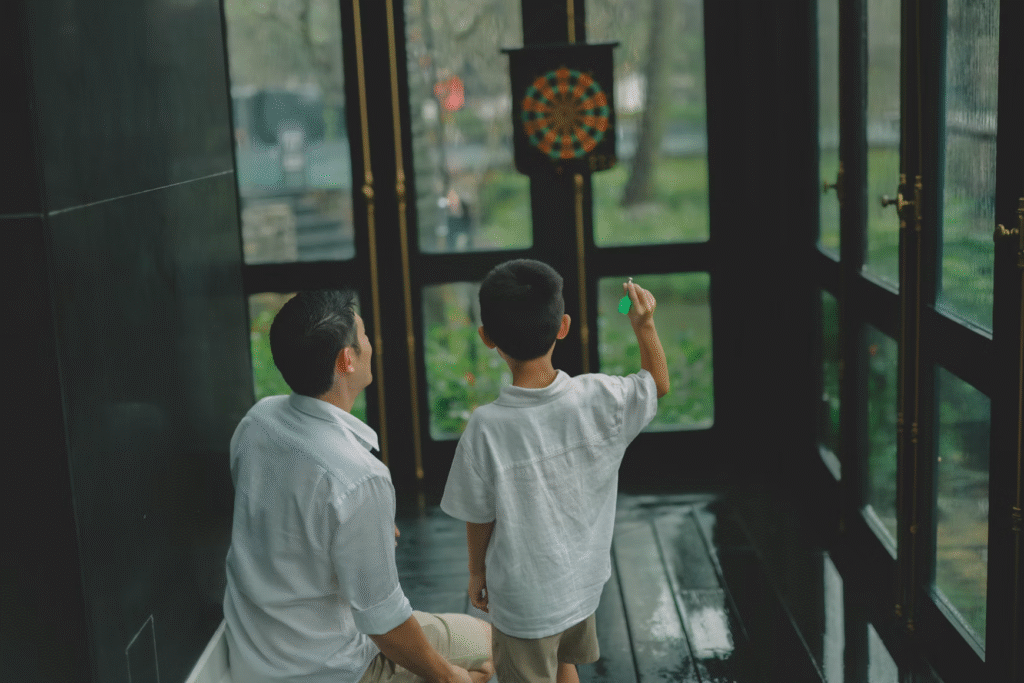
Co-parenting is often described as a logistical arrangement, such as schedules, handoffs, calendars, decisions. But for many parents, the real strain doesn’t live in the logistics. It settles quietly in the body and mind, accumulating through constant emotional regulation, unresolved tension, and the pressure to remain functional for the sake of children.
Over time, this strain can harden into chronic stress or burnout, especially when co-parenting unfolds alongside grief, conflict, or mental health challenges. Understanding this process starts with recognizing that co-parenting after separation carries an emotional weight most parents don’t anticipate when the arrangement begins.
The Invisible Load of Co-Parenting Stress
Unlike single parenting, co-parenting requires ongoing emotional coordination with someone you no longer share a relational foundation with. Even in low-conflict arrangements, parents are often navigating subtle stressors: anticipating reactions, managing communication tone, second-guessing decisions, or bracing for moments of disagreement.

This emotional vigilance rarely feels dramatic. It often shows up as fatigue that doesn’t lift, irritability that feels out of character, or a constant sense of being “on.” Parents may notice they are less patient, more withdrawn, or emotionally flat as their emotional capacity is quietly stretched by ongoing demands.
When this state persists, stress stops being situational and becomes systemic. The nervous system adapts to a near-constant level of alertness, which over time increases the risk of anxiety, depression, sleep disruption, and burnout.
When Mental Health Becomes Entangled with Parenting Identity
Take Emily and John, for instance.
After their divorce, both struggled with maintaining emotional stability while managing their children’s needs. Emily often found herself feeling emotionally drained, especially when communication with John became tense.
However, by seeking therapy and setting clear emotional boundaries, she learned to manage her stress more effectively. As a result, Emily became more present with her children, and their relationship improved.
John, on the other hand, used journaling and deep-breathing techniques to regain emotional balance, which helped him remain calm during difficult exchanges. Both parents discovered that managing stress involved creating emotional space to remain balanced and fully engaged with their children.
As stress builds over time, emotional exhaustion can make it harder to stay engaged, affecting patience and adaptability. These shifts aren’t failures of love or commitment, but signals that emotional labor has reached its limits.
Research consistently shows that children are less impacted by a parent having mental health challenges than by environments where stress goes unacknowledged or unsupported. When parents feel unable to tend to their own mental health, they’re more likely to absorb distress rather than process it, which can unintentionally shape the emotional tone of the household.
The Risk of Burnout in Long-Term Co-Parenting
Burnout in co-parenting rarely arrives all at once. It builds through repetition: unresolved conflict cycles, inconsistent cooperation, or the emotional cost of always being the “stable” one. Parents in high-conflict or parallel parenting arrangements are particularly vulnerable, as the effort required to maintain boundaries and safety can be relentless.
Burnout often disguises itself as resignation. Parents may stop engaging beyond what feels strictly necessary. Communication often becomes minimal as parents begin protecting themselves from further emotional strain. While this can be adaptive in the short term, prolonged disengagement can deepen emotional isolation and grief.
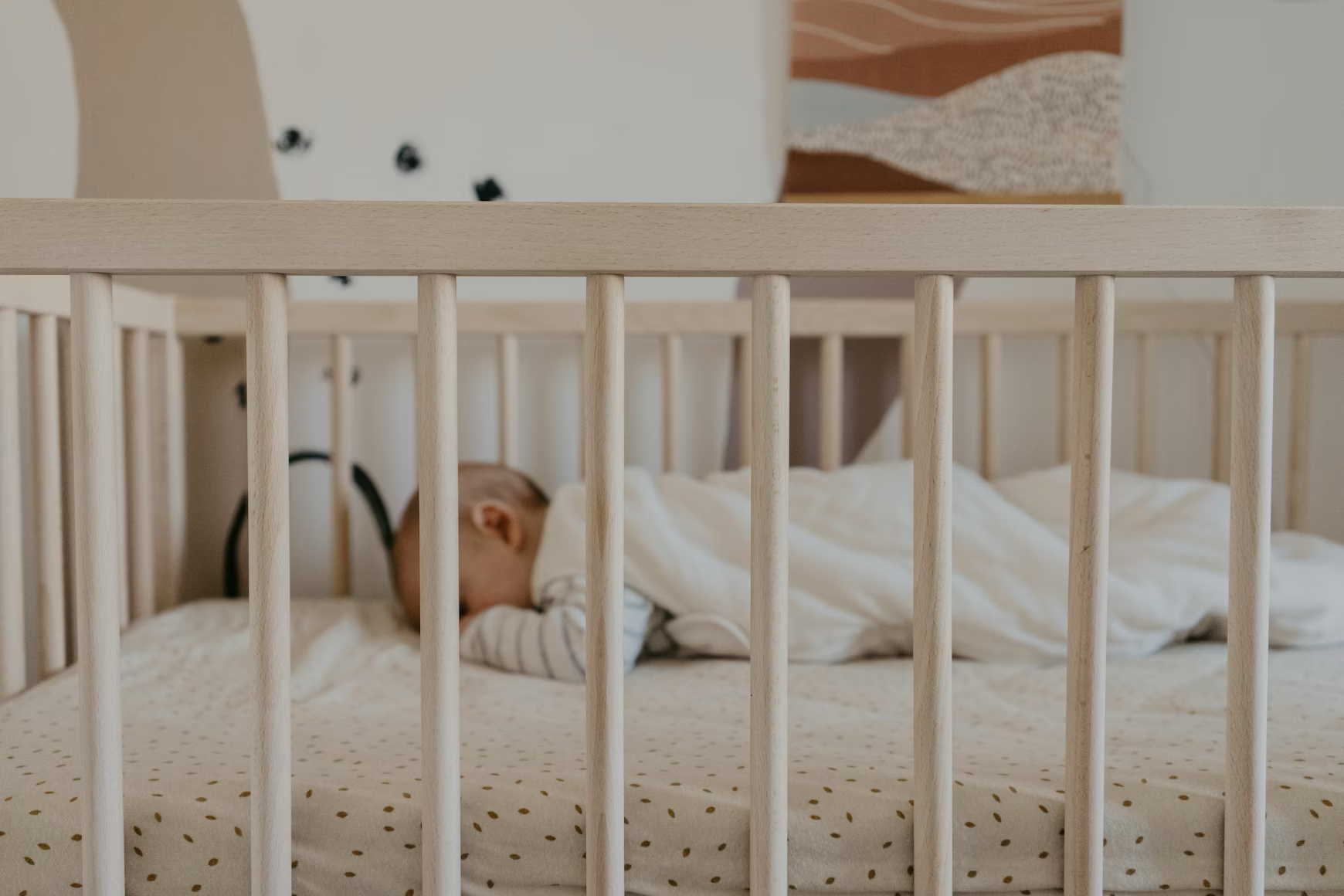
Burnout often persists when energy is spent trying to manage a relationship that can’t be controlled. Relief tends to come from investing in regulation, expectations, and reliable support instead.
Stress Management as a Parenting Responsibility, Not a Personal Failing
There is a cultural tendency to frame stress management as self-care, something optional or indulgent. Within co-parenting, stress management plays a protective role for both parents and children.
When parents attend to their mental health, they preserve the emotional capacity required to remain present, responsive, and attuned to their children. This may mean setting firmer boundaries around communication, seeking professional support, or acknowledging limits instead of pushing through them.
Importantly, stress management doesn’t always look calm. Sometimes it looks like containment: reducing exposure to triggering interactions, choosing neutral communication channels, or allowing space for emotional recovery after difficult exchanges.
Creating Sustainability in the Co-Parenting Role
Sustainable co-parenting involves the long-term effort of navigating coordination over years, with an understanding that emotional resources must be replenished periodically. This sustainability often begins with recalibrating expectations. In practice, co-parenting relies on structure that protects children and emotional safety that allows parents to function without chronic depletion.
Support plays a critical role here. Therapy, peer support, and mental health services help parents cope, while also offering the space to name difficulties, release unrealistic expectations, and rebuild agency within difficult circumstances.
Moving Forward Without Burning Out
Co-parenting, with its emotional demands, can feel overwhelming at times. But by acknowledging the weight of these demands and taking steps to protect our mental health, we not only protect ourselves but also create a stable foundation for our children.
It’s in those moments of self-awareness and self-care that we can provide the emotional support they need to thrive. Ultimately, managing stress is a responsibility that helps us remain the steady, loving presence our children deserve. It teaches children that stability comes from responding thoughtfully to both our own limits and the needs of others.

Stress management is an integral part of parenting. It influences the emotional climate children experience and shapes their understanding of self-care in relationships that are real and imperfect.
