


Sibling rivalry is often framed as something noisy and temporary, a childhood phase that’s meant to fade with maturity. But for many adults, it doesn’t disappear. It simply changes shape. The fighting over toys. The jealousy over attention. The endless comparisons that parents are told to manage patiently until everyone “matures.”
But for many adults, sibling rivalry never truly ends. It simply changes form. It becomes silence at family gatherings, distance disguised as politeness, a tension that surfaces the moment siblings are in the same room, even decades later. Sometimes it appears as open conflict. More often, it settles quietly, shaping who speaks, who withdraws, and who feels they never quite belonged in the family to begin with.
What makes adult sibling rivalry so confusing is that it rarely feels like rivalry anymore. It feels like something unfinished, unresolved, and strangely personal, despite the fact that it was never only about the siblings themselves.
Where Sibling Rivalry Actually Takes Root
As children, sibling competition forms as siblings grow within the same emotional ecosystem. They’re reaching for the same finite resources: attention, recognition, safety, and a sense of being chosen.
When those resources feel abundant and emotionally attuned, rivalry often softens into negotiation, cooperation, or even closeness. When care feels uneven, competition lingers long enough to shape who each child learns they’re allowed to be. One becomes the easy one. Another carries the weight of being difficult. Independence is rewarded, quietly teaching which needs are safest to have.
These roles take shape gradually, through everyday moments that signal whose feelings make room and whose are learned to wait. Later, siblings begin to relate to each other through those positions, even when no one is naming them out loud. What looks like rivalry is often a byproduct of emotional imbalance rather than personal animosity.
Often, no one ever names these roles. They’re simply felt and repeated.
How Family Systems Lock Rivalry in Place
Sibling dynamics don’t develop in a vacuum. They emerge inside family systems where some behaviors are welcomed and others are subtly pushed aside, often without conscious intent.
When parents are overwhelmed, emotionally unavailable, or unconsciously drawn to one child’s temperament over another’s, children adapt. They learn what works. Attention goes to the one who excels, notice to the one who disrupts, while another learns to disappear to avoid becoming a burden.
Once these adaptations take hold, siblings begin reacting not only to each other, but to the roles they were assigned. A sarcastic comment in adulthood can suddenly feel heavier than the moment itself, loaded with years of comparison. A small disagreement can snap old hierarchies back into place before anyone has time to name what just shifted.
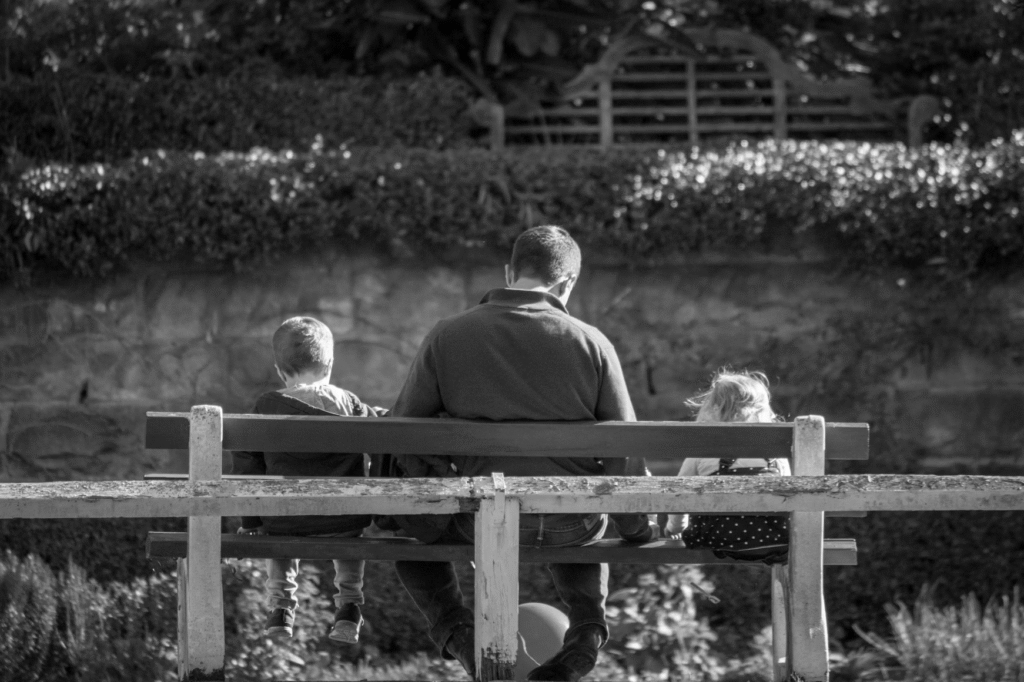
For many adults, being with a sibling brings a subtle but familiar shift. The body tightens. Roles reappear before anyone has said much at all. What’s happening doesn’t belong only to the present moment. Something older is being felt again. The nervous system recognizes a familiar emotional landscape and slips back into patterns that once made survival easier.
The Quiet Forms of Adult Sibling Rivalry
Some forms of sibling rivalry unfold quietly and persist for years without drawing attention. They show up as helpfulness without vulnerability, distance explained away as logistics, success shadowed by comparison, and resentment that has no clear story to attach itself to.
In these cases, rivalry is no longer about winning. It becomes a form of protection. A way of maintaining emotional boundaries that were never consciously chosen, but still feel necessary.
Many adults feel a quiet shame around these patterns. They question themselves for not being past it, for needing distance, for feeling hurt when nothing “serious” ever happened.
Beneath the rivalry, there is often grief that never found language.
The Grief Embedded in Rivalry
Sibling rivalry often holds an unspoken grief, shaped by belonging that never felt secure and relationships that asked for comparison instead of care. This grief is complicated by loyalty. Many adults feel protective of their parents, even while recognizing the emotional gaps that shaped their sibling relationships. They hesitate to name favoritism, misattunement, or neglect because doing so feels like betrayal.
Grief often begins with honesty. Acknowledging the grief beneath sibling rivalry allows space for complexity. Something essential was missing, and siblings adapted in different ways to survive that absence. What shows up as rivalry is often the visible trace of those adaptations, rather than their origin.
Why Rivalry Persists Even Without Contact
Distance doesn’t necessarily dissolve sibling rivalry. Even without contact, its effects often continue internally, showing up through comparison, self-doubt tied to success or failure, and a quiet belief that love must be earned or competed for. For some, it lingers as the sense that closeness always carries a cost.
This persistence can be confusing. Even in absence, the sibling can still feel present in the internal landscape. The rivalry no longer depends on contact. It lives on as a familiar way of relating to the self. Recognizing this doesn’t resolve the relationship. It brings coherence.
Moving Beyond the Myth of Resolution
Sibling rivalry is often spoken about as something to resolve. In reality, each relationship carries its own limits and possibilities.
Healing isn’t always found in repair. For some, it begins with letting go of the expectation that the sibling relationship will become something it never had the conditions to sustain. Connection, then, has to be redefined without self-erasure as the price of entry.
Understanding the system that shaped the rivalry often brings more relief than forcing reconciliation. When patterns become clear, they tend to loosen their grip. Reactions soften. Self-blame eases. Choices begin to feel more intentional, less driven by reflex.

Making Sense of What Was Never Equal
Sibling rivalry often reflects how emotional resources were distributed, interpreted, and absorbed over time. As that context becomes visible, the questions many adults ask begin to shift. Attention turns toward what the dynamic required of them, and what it quietly taught them about belonging. These questions don’t ask for immediate answers. They invite reflection, and over time, reflection creates space.
Those questions don’t demand answers. They create room for something quieter to shift over time. Sibling rivalry offers context for why certain patterns persist. Over the years, that context can change how the present is held. Sometimes, that shift is enough to allow movement.
