


Childhood trauma is an unfortunate and often unseen force that can profoundly shape an individual’s mental, emotional, and physical well-being long into adulthood. Whether it stems from physical, emotional, or sexual abuse, neglect, or the effects of systemic violence, the impact of childhood trauma is not just fleeting; it reverberates through every aspect of life. Its effects can shape behavior, influence relationships, and even alter the very way one perceives the world. While the consequences of trauma may feel unchangeable, understanding its roots and beginning the healing journey offers a path to reclaiming one’s life and well-being.
Understanding Childhood Trauma and Its Lifelong Impact
Childhood trauma encompasses any event or series of events that disrupt a child’s sense of safety and security. These events can be acute, like a single instance of violence or an accident, or chronic, such as enduring neglect or abuse over a period of time. Traumatic experiences in childhood don’t just affect the emotions or thoughts of a child at that moment; they leave lasting imprints on the brain, body, and soul.
The psychological impact of trauma often manifests in ways that aren’t immediately visible. Some may develop anxiety, depression, or a pervasive sense of fear that follows them into adulthood. Others might experience relationship difficulties, where trust and intimacy become complex and elusive. The trauma may even show up in physical health issues, as childhood stress is linked to an increased risk of chronic conditions such as heart disease, obesity, and autoimmune disorders.
The effects of trauma are compounded when they’re left unaddressed. Childhood trauma often becomes a silent companion, shaping an individual’s responses to stress, relationships, and emotional well-being. In many cases, children who experience trauma grow up without the necessary tools or support to process and heal these wounds, leaving them vulnerable to repeating unhealthy patterns as adults.
The Biological and Psychological Mechanisms of Trauma
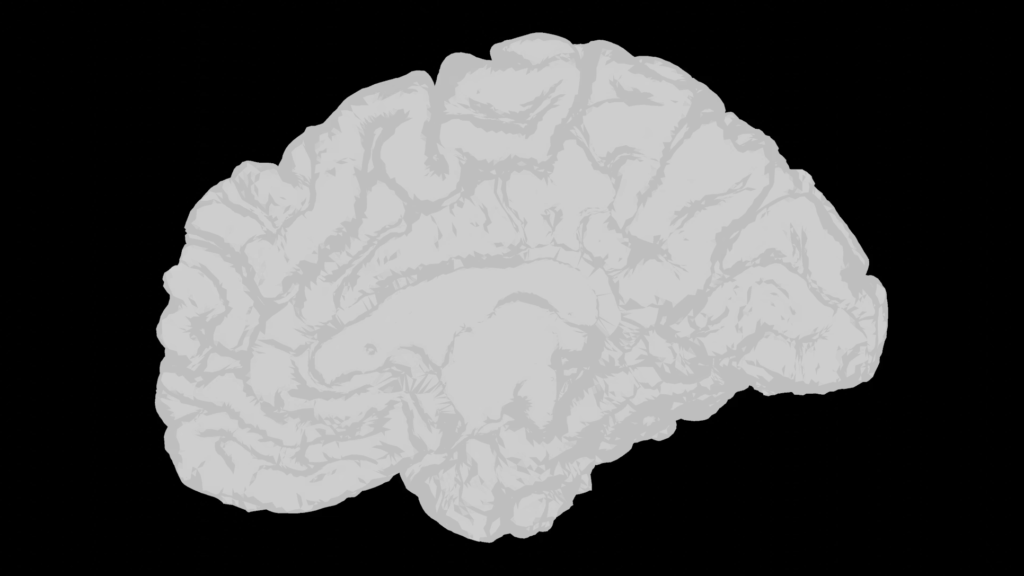
The impact of trauma is not limited to just the mind, it also alters the body. Research has shown that trauma can affect how the brain functions, particularly in areas involved in stress regulation and emotional processing. Chronic stress resulting from trauma can lead to changes in brain chemistry and structure, including alterations in the hippocampus, which plays a key role in memory and emotional responses.
Trauma can also affect the body’s ability to process and respond to stress. The long-term exposure to stress hormones like cortisol, often associated with traumatic events, can impair the immune system, making individuals more susceptible to physical illnesses. As such, the effects of trauma are psychological and deeply physiological, making healing a complex, multi-layered process.
Recognizing the Signs of Childhood Trauma in Adulthood
The road to healing often begins with recognizing how childhood trauma continues to affect one’s adult life. The signs can vary widely from person to person, but there are common patterns and behaviors that may indicate unresolved trauma.
For some, these signs appear as heightened emotional reactivity, where seemingly minor stressors can trigger intense emotional responses. Others may struggle with chronic feelings of emptiness, guilt, or shame that have no clear source. Relationship difficulties are another hallmark of unhealed trauma, with patterns of unhealthy attachments, mistrust, or avoidance of intimacy emerging as the trauma’s residual effects.
Physical symptoms, such as chronic pain or gastrointestinal issues, may also point to the underlying influence of trauma. Often, the body carries the emotional weight of trauma in ways that aren’t immediately connected to the mind’s recognition of it. Survivors of childhood trauma may experience fatigue, headaches, or difficulty sleeping, all of which can be linked to the trauma stored in the body.
Recognizing these signs is essential, not only for the sake of understanding how trauma impacts one’s life but also for the first steps toward healing. The awareness that trauma is influencing one’s emotions, health, and relationships allows individuals to seek help and begin the healing process.
How to Begin Healing from Childhood Trauma
Healing from childhood trauma isn’t a linear process, nor is there a one-size-fits-all approach. It’s a deeply personal journey that requires patience, self-compassion, and often the help of trained professionals. There are, however, several key steps that can help guide the process of healing.
Seeking Therapy and Support
One of the most effective ways to heal from childhood trauma is through therapy. Trauma-informed therapeutic approaches, such as Eye Movement Desensitization and Reprocessing (EMDR), cognitive behavioral therapy (CBT), and somatic experiencing, can help individuals process and reframe traumatic memories. These therapies focus on helping individuals confront the emotional and psychological wounds caused by trauma, allowing them to create new patterns of thought and behavior that are healthier and more adaptive.
Therapy also provides a safe space for individuals to explore their feelings, confront painful memories, and begin the work of processing the trauma. Through this process, individuals can start to rewrite the narratives they carry about themselves, replacing feelings of guilt, shame, and unworthiness with empowerment and self-acceptance.
Developing Self-Compassion and Emotional Awareness

Part of the healing journey involves developing a deeper sense of self-compassion. Many trauma survivors carry deep feelings of shame, guilt, or self-blame that stem from their experiences. Overcoming these feelings requires an individual to recognize their inherent worth and to treat themselves with kindness during the healing process. Mindfulness practices, meditation, and journaling can help individuals connect with their emotions and begin to understand their triggers, responses, and the ways in which their past continues to shape their present.
Through this process of self-awareness and compassion, individuals can start to break free from the emotional chains of their past, fostering a sense of healing that comes from within.
Building a Supportive Network

Healing from childhood trauma isn’t something that should be attempted alone. Building a supportive network of friends, family, or support groups is crucial for providing emotional validation and connection. When trauma survivors are able to express their feelings and be met with understanding and care, they are better able to heal. This network not only helps reduce feelings of isolation but also teaches individuals how to form healthy, secure attachments in relationships, something that may have been disrupted by their early experiences of trauma.
Exploring Holistic and Alternative Healing Methods
While traditional therapies are incredibly effective, many trauma survivors find comfort and healing in holistic practices. Methods such as yoga, mindfulness, creative arts, astrology, and even tarot can provide alternative avenues for self-expression, reflection, and emotional release. These practices offer symbolic or meditative frameworks that encourage individuals to reflect on their past trauma and begin to release it in a non-verbal, experiential way.
These tools, while not substitutes for professional care, can be helpful supplements for those seeking to deepen their healing process. By integrating these practices into daily life, individuals may find it easier to manage their emotions, release stored trauma, and cultivate a sense of personal empowerment and clarity.
Moving Forward: Reclaiming Your Life
Healing from childhood trauma isn’t an easy path, but it’s a transformative one. By recognizing the signs of trauma, seeking the appropriate therapeutic support, and integrating healing practices into everyday life, individuals can begin to reclaim their sense of agency, joy, and inner peace. While the scars of childhood trauma may never fully disappear, they need not define one’s future. With time, patience, and the right support, healing is a path to living a more fulfilled and authentic life.
Related Articles
How Childhood Trauma Impacts Your Parenting Style and What You Can Do About It
