


Intergenerational trauma, the transmission of trauma across generations, can have profound and lasting effects on families. The experiences of one generation, particularly those rooted in violence, oppression, or neglect, can shape the emotional and behavioral patterns of future generations.
It often manifests as persistent cycles of fear, mistrust, emotional pain, and even physical health issues, passed down without direct awareness. However, breaking the cycle of intergenerational trauma is possible. With deliberate effort, healing can take place, not only for individuals but for entire families, fostering healthier relationships and emotional resilience for future generations.
This article explores how intergenerational trauma affects families, the steps necessary to break the cycle, and how to create a new legacy of healing, compassion, and strength.
Recognizing the Presence of Intergenerational Trauma
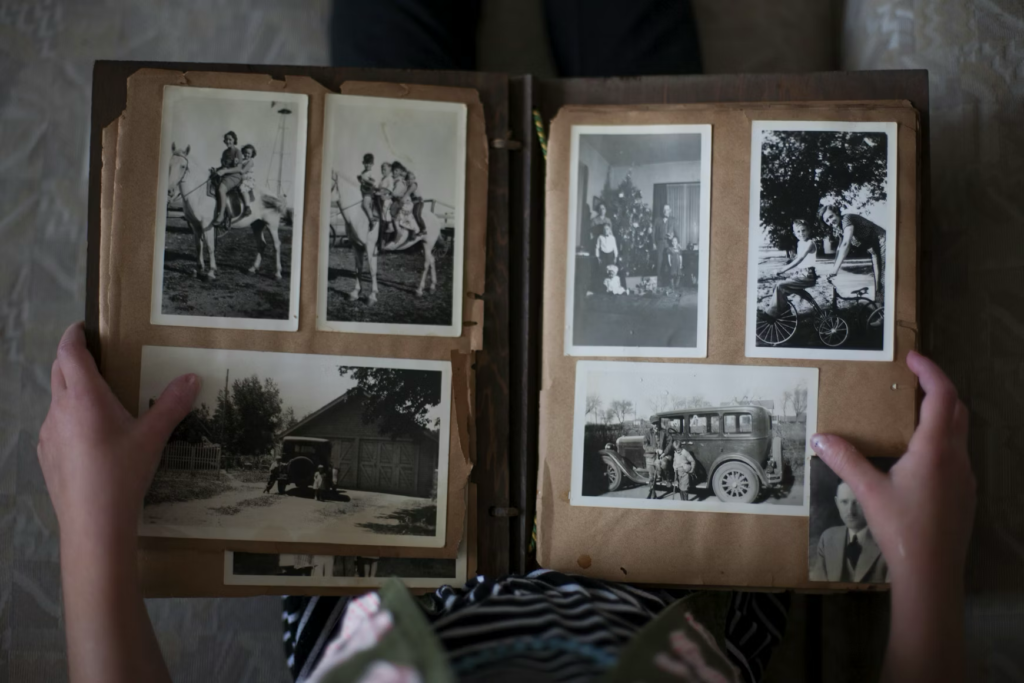
The first step toward breaking the cycle of intergenerational trauma is acknowledging its presence. This acknowledgment may be difficult, especially if the trauma is subtle or has been normalized within the family. Trauma can manifest in various forms, such as addiction, mental health struggles, unhealthy family dynamics, physical ailments, or chronic stress responses. It can often remain hidden beneath surface-level behaviors or deeply ingrained beliefs passed down through generations.
Understanding how trauma is transmitted is key. In many cases, children internalize the emotional patterns of their parents, repeating cycles of emotional distress or harmful coping mechanisms without realizing the root cause. The effects of trauma can also be passed biologically through epigenetic changes, impacting the way stress is processed by future generations.
Once intergenerational trauma is recognized, individuals can begin to trace its patterns within their family history, identifying emotional triggers and behaviors that may stem from past pain. This process requires patience and self-compassion, as the acknowledgment of trauma can stir painful memories and emotions. However, this recognition is crucial for healing, as it lays the foundation for breaking the cycle of inherited pain.
The Power of Self-Awareness in Healing

Self-awareness is the cornerstone of healing from intergenerational trauma. Understanding the emotional and behavioral patterns passed down through the family allows individuals to begin the process of change. It requires an honest and compassionate reflection on one’s own experiences, emotional responses, and relationships. For many, this involves confronting painful family histories and understanding how those experiences shaped their current lives.
One of the most powerful tools in this process is mindfulness. By becoming more aware of how past trauma influences current behaviors and emotional responses, individuals can start to take control of their actions and reactions. Mindfulness helps individuals separate themselves from the inherited patterns and begin to choose healthier responses. It allows space to process emotions, acknowledge trauma’s impact, and make intentional decisions about how to react and relate to others.
This step is deeply personal and may take time. It’s about progress of learning to recognize the emotional patterns that have been unconsciously repeated and making an active choice to change them. Self-compassion plays an essential role here. Healing is a gradual process, and the individual must treat themselves with kindness as they confront the pain of the past.
Seeking Therapy and Professional Support
Healing from intergenerational trauma isn’t a solitary journey; professional support is often necessary. Therapy provides individuals and families with the tools to process trauma, heal from deep emotional wounds, and create new, healthier relational patterns. Trauma-focused therapy, such as Cognitive Behavioral Therapy (CBT), Eye Movement Desensitization and Reprocessing (EMDR), or family systems therapy, helps individuals process painful memories, identify negative belief patterns, and develop healthier coping strategies.
Family therapy can be particularly effective in breaking the cycle of intergenerational trauma, as it offers a safe space for family members to openly address past hurts and misunderstandings. Family therapy allows for a collective healing process, where family members can work together to break negative patterns and develop healthier ways of communicating and relating.
Therapists specializing in trauma-informed care provide essential support, as they understand the intricacies of how trauma is passed down through generations. They guide individuals in unpacking their emotional baggage while creating safe spaces to heal. For some, working through trauma in a therapeutic setting is an essential step in interrupting the generational transmission of pain.
Creating Open Dialogue and Family Healing
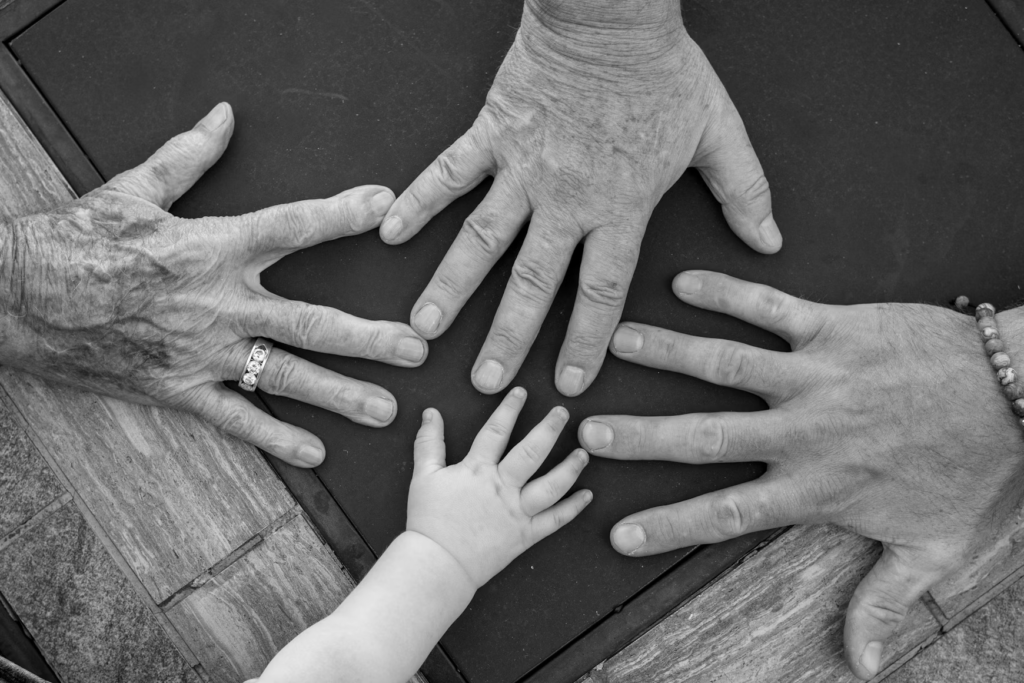
Communication is one of the most powerful tools in healing intergenerational trauma. For many families, trauma is never spoken of, instead it’s passed down through silence, shame, or unspoken rules. Breaking the silence is crucial for healing, as it allows family members to express their pain, share their experiences, and understand each other’s struggles. Opening a dialogue about trauma, in a compassionate and non-judgmental way, is the beginning of healing not only for the individual but for the entire family.
This process can be challenging, especially if family members are resistant to acknowledging their trauma. In some cases, family members may deny or dismiss the pain, making it difficult to initiate healing. However, patience and understanding are necessary in these situations. Starting the conversation with empathy and a willingness to listen can eventually lead to breakthroughs in understanding and connection.
Moreover, families can engage in collective healing practices, such as shared rituals, cultural traditions, or collaborative therapy. Engaging in healing as a family, rather than as individuals, can create a sense of unity and empowerment. It shows family members that breaking the cycle of trauma is not only possible but necessary for the health and well-being of future generations.
Building a New Legacy of Resilience
Breaking the cycle of intergenerational trauma is about both addressing the past and building a new future for generations to come.
Once individuals begin to heal, they can focus on creating a legacy of emotional resilience, healthy relationships, and personal growth for their children and grandchildren. By modeling healthy emotional expression, self-regulation, and open communication, individuals can ensure that their children inherit not the scars of past trauma but the tools to overcome challenges and thrive.
This new legacy requires consistent effort, self-awareness, and commitment to personal growth. However, as individuals work through their trauma and break unhealthy cycles, they not only heal themselves but also lay the foundation for healthier generations to come. This is how trauma is truly healed: when individuals take responsibility for their emotional health and create new, empowering patterns that can be passed down.
Conclusion: Healing Starts with One Person

Breaking the cycle of intergenerational trauma is a challenging but transformative process. By recognizing the trauma, seeking professional support, cultivating self-awareness, and creating open family dialogues, individuals can heal and create a healthier, more resilient family dynamic. It’s important to remember that this healing journey is not about perfection but about progress. Each step taken toward healing not only breaks the cycle of trauma but also contributes to the well-being of future generations. The process may take time, but with patience, commitment, and the right support, healing is a powerful legacy of love, resilience, and hope for the future.
