


Stress evolved as a biological signal that prepares the body to respond to challenges in small doses. The difficulty begins when tension no longer fades after the challenge passes. When pressure becomes a permanent background state rather than a temporary response, the body slowly begins to change in ways many people don’t immediately recognize.
Long-term stress moves through physical systems, emotional habits, and cognitive patterns. Over time, this constant state of internal alertness can influence health in subtle but significant ways. Many people only connect their symptoms to stress after the effects have been unfolding for months or even years. Understanding these hidden risks offers a clearer picture of how the mind and body remain deeply interconnected.
The Body’s Stress Response Was Never Meant to Stay Switched On
When the brain perceives threat or pressure, it signals the release of stress hormones that increase heart rate, sharpen attention, and redirect energy toward immediate survival. In short bursts, this reaction is adaptive. The body mobilizes, responds, and then gradually returns to equilibrium.
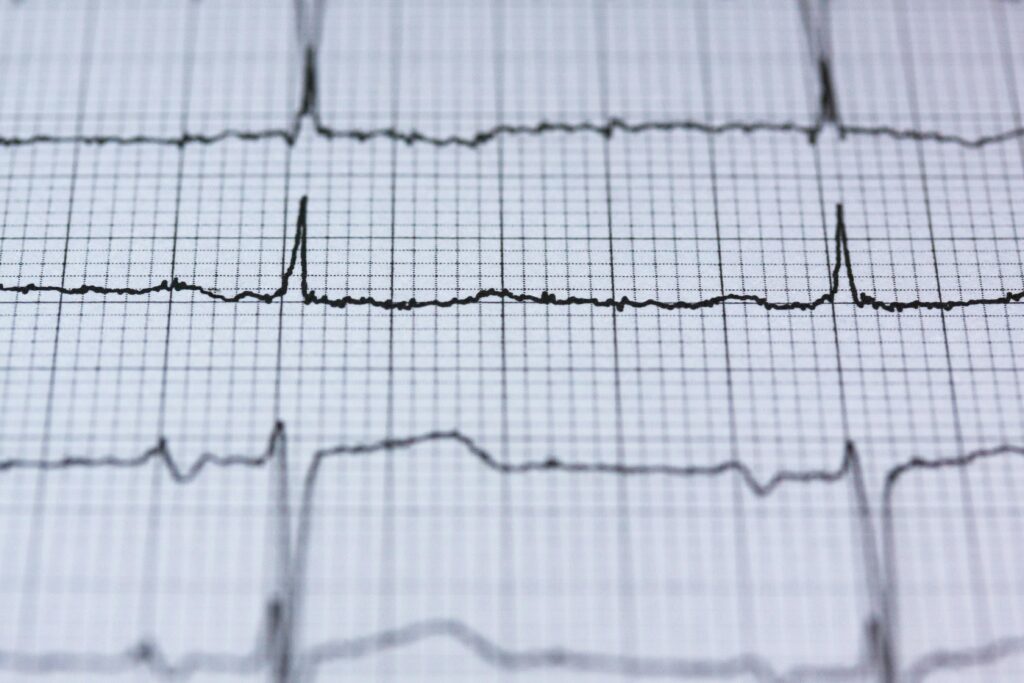
Chronic stress interrupts that natural rhythm. Instead of cycling between tension and recovery, the nervous system remains partially activated. Hormones associated with alertness continue circulating long after the original trigger has disappeared. Over time, the body must constantly operate under conditions it was never designed to maintain.
Hidden Physical Health Risks
1. Cardiovascular Strain
The cardiovascular system often absorbs some of the earliest effects of prolonged stress. When the body repeatedly prepares for action, heart rate and blood pressure tend to rise more frequently than usual. Even when a person appears outwardly calm, the body may remain in a mild state of physiological readiness.
Over long periods, this pattern can strain blood vessels and influence how the heart functions, when combined with lifestyle factors such as poor sleep, sedentary routines, or inconsistent eating patterns, it may contribute to a higher risk of circulatory problems.

2. Weakened Immune Function
Many people notice they become sick more often during periods of prolonged stress. This isn’t a coincidence. The immune system relies on a delicate balance of signals that regulate inflammation and infection defense.
Chronic stress can disrupt that balance, and when stress hormones remain elevated, immune responses may become less coordinated. Some individuals experience reduced resistance to common illnesses, while others develop exaggerated inflammatory reactions. The body struggles to decide how strongly it should defend itself in effect.
3. Digestive System Disruption
The digestive system operates through a complex network of nerves sometimes called the “second brain” because this system communicates directly with the central nervous system, emotional tension frequently shows up in the gut.
Long-term stress may alter digestion in several ways. Some people develop stomach discomfort or irregular appetite patterns, while others experience increased sensitivity to foods that previously caused no difficulty. The gut microbiome itself may shift, further influencing mood, immunity, and metabolism.
4. Persistent Muscle Pain and Tension
Muscle tension is a natural part of the stress response. When the body prepares for action, muscles tighten to improve strength and reaction speed. If the stress response never fully shuts down, this tension can linger for extended periods. Many individuals living with chronic stress report recurring headaches, neck stiffness, or unexplained body aches. These sensations often fluctuate depending on emotional pressure rather than physical injury.

5. Hormonal Imbalance
Stress hormones interact with many other hormonal systems in the body. When stress becomes chronic, these interactions can influence metabolism, appetite regulation, and energy levels.
Some people experience noticeable fluctuations in weight, either gaining or losing appetite during extended periods of pressure. Others report persistent fatigue despite adequate rest, reflecting the body’s attempt to adapt to an environment that appears continuously demanding.
6. Memory and Concentration Difficulties
When the brain remains in a prolonged state of alertness, it prioritizes survival over reflection. Regions associated with memory formation and complex thinking receive fewer resources while stress hormones remain elevated. People living with chronic stress frequently describe a subtle mental fog. Tasks that once felt simple require more effort, and concentration becomes fragile, easily disrupted by small distractions.

7. Heightened Emotional Reactivity
Emotional regulation depends on cooperation between different brain regions. Chronic stress can interfere with that coordination, making emotional responses feel stronger or more unpredictable. Situations that once produced mild irritation may suddenly provoke frustration, impatience, or exhaustion. These emotional shifts often surprise people because they appear disproportionate to the events that trigger them.
8. Sleep Disturbances
Healthy sleep requires the nervous system to shift into a restorative state, so chronic stress interferes with this transition. Even when someone feels physically tired, the mind may remain active, replaying concerns or anticipating future problems.
Little by little, sleep can become lighter, shorter, or fragmented. Because sleep plays a critical role in hormone regulation, memory consolidation, and immune function, disruptions here often intensify many of the other health effects associated with stress.

9. Increased Vulnerability to Anxiety and Mood Changes
When stress becomes a constant feature of daily life, emotional resilience may gradually erode. The nervous system grows accustomed to operating in a state of heightened vigilance, making it harder to return to a sense of calm. As a result, individuals may experience persistent worry, irritability, or shifts in mood that seem difficult to explain.
Why Chronic Stress Is Often Misunderstood
One reason long-term stress remains underestimated is that its symptoms rarely appear dramatic in isolation. A person may notice occasional headaches, disrupted sleep, mild digestive discomfort, or difficulty concentrating. Each symptom alone seems manageable, sometimes even normal. However, the pattern becomes clearer only when these experiences are viewed together. Chronic stress influences interconnected systems that shape daily wellbeing.

Cultural attitudes toward productivity can also obscure the problem. In many environments, constant busyness is interpreted as dedication or ambition. People often normalize fatigue, irritability, or physical discomfort because these experiences seem like inevitable side effects of modern life. Though the body interprets persistent pressure differently, responding as though a continuous threat remains present.
Recognizing the Early Signals
Learning to recognize the subtle signs of chronic stress is often the first step toward restoring balance. The body usually sends signals long before more serious health consequences appear. Persistent muscle tension, recurring sleep disruption, frequent illness, or unusual emotional sensitivity can all reflect a nervous system asking for recovery.
Conclusion
Long-term stress effects accumulate across the body and mind, influencing everything from heart health and digestion to memory, mood, and sleep. The hidden risks emerge slowly, making them easy to overlook until they begin to shape everyday wellbeing. Recognizing these signals early can change the trajectory. When people begin to see stress as a whole body condition, it becomes easier to understand why recovery, rest, and emotional balance are essential parts of long-term health.
