





Someone told you this in the exact moment you needed something more useful. A breakup, a death, a friendship that ended without an explanation, and there it was, time heals all wounds, said like it was supposed to fix something on its own.
Time is just the clock moving. If you spend a year doing nothing but waiting, the pain doesn’t disappear, it tends to get buried instead, and buried isn’t the same as healed. This piece is about why time heals all wounds is more of a comforting myth than an actual process, and what tends to work instead when you’re ready to do more than wait it out.
This article is meant as general information, not a replacement for therapy. If grief or emotional pain is affecting your daily functioning, talking to a licensed therapist can help more than any article. If you’re in crisis, support is available 24/7 by calling or texting 988 (Suicide & Crisis Lifeline in the US) or visiting 988lifeline.org.
Why “Time Heals All Wounds” Is Actually a Myth
Therapists who work with grief and trauma tend to push back on this phrase more than almost any other piece of pop psychology. One clinician described it in a podcast interview as “the phrase that lets everyone off the hook, including the person who’s hurting.”
Part of why time heals all wounds sticks around as advice is that it’s easier to say than “You need to feel this.” It doesn’t ask anything of the person hurting, and it doesn’t ask anything of the person offering comfort either. That’s convenient, but convenience and accuracy aren’t the same thing.
Passivity vs. Active Processing
Time is passive space. It isn’t an agent that does anything to your emotions, it passes. Healing, on the other hand, tends to require something active: naming what happened, feeling it, and eventually making sense of it. Skip that step and the emotion usually gets shelved somewhere you aren’t looking.
Think of the phrase “time heals all wounds” like a room that never gets cleaned. Time passing lets dust settle over the mess so it’s less visible. The mess is still there. Something still has to move the furniture and sweep the floor.
Emotional Numbing vs. Real Healing
Give it a year and the sharp, immediate sting of a loss can fade. That’s real, and it can feel like proof the saying was right. But numbing and healing aren’t the same thing [1]. Some research on unprocessed grief suggests the original wound stays intact underneath the numbness, it just takes something specific, a song, a smell, an anniversary, to prove it never left.
This is often the moment people realize “time heals all wounds” wasn’t quite right. Years can pass, life can look fine on the surface, and then one ordinary Tuesday the grief shows up in full force, as sharp as it was on day one. If it were really about time, that shouldn’t happen.


What Happens When You Just Wait
Therapists who work with grief often notice a specific pattern in clients who try to outrun their feelings. They call it emotional numbing disguised as recovery.
When a major loss or heartbreak occurs, the immediate shock eventually wears off. That natural decline in intensity makes people think they’re over it. In reality, the unaddressed emotion drops beneath the conscious surface. Instead of disappearing, that unprocessed pain tends to manifest in subtle, indirect ways:
- Cynicism about future relationships or career goals
- Sudden, over the top reactions to minor inconveniences
- A persistent, quiet sense of anxiety that doesn’t seem to have a clear trigger
- Chronic fatigue or difficulty staying present with friends
Real recovery requires turning toward the discomfort rather than waiting for it to evaporate.
If Not Time, What Heals Emotional Wounds?
This is the part most advice skips past. If waiting isn’t the mechanism, here’s what tends to move the needle instead of just letting time heals all wounds run its course in the background.
Radical Acceptance
This is no longer arguing with the fact that it happened. A lot of people get stuck replaying “This shouldn’t have happened” on a loop, which keeps the nervous system in a kind of standoff [3]. Accepting the reality of it, without endorsing it as okay, tends to be the first real exit from that loop.
This step is often the hardest, mostly because it feels like giving something up. In practice, acceptance tends to free up the energy that was going into resisting reality, and redirects it toward living in the one that exists.
Emotional Expression
Journaling, naming the emotion out loud, letting yourself cry or get angry somewhere that feels safe, these aren’t small or symbolic [2]. Some studies on expressive writing suggest naming what you feel can support the brain’s ability to process rather than suppress an experience.
The word choice matters more than people expect. Writing “I’m sad” tends to do less than writing “I feel like I lost the version of myself that existed before this happened.” Specificity seems to be doing a lot of the work here, vague emotional language often leaves the underlying feeling untouched.

Meaning-Making and Reframing
A woman I’ll call Priya, in an example a grief counselor described in a training session, spent months stuck on why her father’s death happened the way it did. The shift for her was noticing that the question itself was keeping her in place. She started asking what the loss had shown her about how she wanted to show up for the people still in her life. That reframe didn’t erase the grief, but it gave it somewhere to go.
Meaning-making is closer to asking what you now know about yourself that you didn’t know before, and letting that be true alongside the pain, not instead of it.
Safe Connection
Isolating feels safe initially, however it gets heavy fast. A good therapist or a friend who doesn’t expect you to pretend you’re fine gives your pain a safe place to land. When people assume time heals all wounds, they often stop checking in, which is why reaching out to someone past the initial shock matters so much.
A Practical Step by Step Roadmap to Real Recovery
If you’re looking for something concrete rather than feeling your feelings, here’s a rough sequence that tends to hold up, one that treats recovery as a series of actions rather than something time heals all wounds is supposed to handle passively.
1. Acknowledge The Pain Without Judgment
Name what happened and how it actually felt, not the version you think you should feel. This step alone can take longer than expected, especially if you’ve spent a while minimizing what happened to make it easier for people around you.
2. Unpack The Core Belief Behind The Hurt
A breakup might sting less about the person and more about a belief like “I’m not enough to be chosen.” Finding that belief is often where the real work starts, since the specific event usually isn’t the whole story.
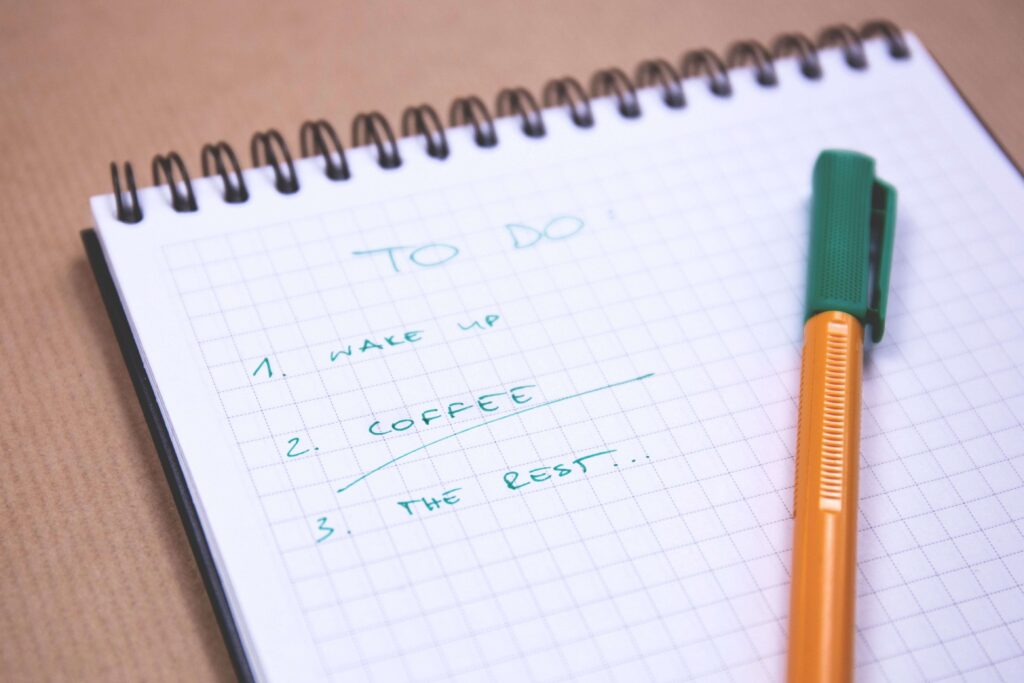
3. Establish Daily Micro-Habits For Emotional Grounding
Small, repeatable things, a few minutes of journaling, a walk without your phone, a consistent sleep schedule, tend to matter more than one big breakthrough moment. Recovery tends to be built out of a lot of small, boring days rather than one dramatic turning point.
4. Rebuild Your Identity Outside Of The Trauma
At some point, making sure the loss isn’t the only thing defining who you are now. That might mean picking back up something you dropped, or trying something new that has nothing to do with the person or situation you lost.
Here’s what that sequence actually looked like for one person working through it, in an example a couples therapist described, details changed to protect the client.
What Active Recovery Looks Like in Real Life
When people shift from waiting out their pain to actively working through it, progress is built on quiet, unglamorous shifts in daily routines. In observing relationship dynamics and emotional recovery patterns, one common thread stands out: the turning point almost always happens when someone stops treating their healing like a project with a strict deadline.
Take a typical scenario involving a long-term breakup after four years of shared history. The initial instinct is almost always over-functioning: filling every evening with plans, working late, and telling everyone that things are fine. But by weekend three, exhaustion hits because running away takes far more energy than sitting still.
Real recovery starts showing up in much smaller, subtle moments:
- Shift in response: Instead of spiraling for three days after seeing an ex’s name pop up, the wave of anxiety passes in thirty minutes because you’ve learned to acknowledge it without fighting it.
- Shift in identity: You stop visiting the coffee shop you both loved expecting to feel nostalgia, and instead, you realize you’re just enjoying your drink in peace.
- Shift in focus: You catch yourself planning a weekend trip without mentally running the itinerary through someone else’s preferences first.
It notices that the pain is a small piece of furniture in a much larger life you’re actively building.


FAQs
Is it normal for old pain to surface out of nowhere after months of feeling fine?
Yes. Healing is rarely a straight line. Triggers often show up when you’re going through stress or another major life change. It means your brain is processing another layer of the experience from a safer position.
How do I know if I’m actively healing or just ruminating?
Ruminating feels like replaying a bad movie on a loop without ever reaching a new conclusion. Active processing, on the other hand, leads to insights or emotional release. If you find yourself asking “Why did this happen to me?” over and over, try shifting your question to “What do I need right now to feel safe?”
How long does emotional recovery usually take?
There isn’t a fixed timeline, which is why putting a deadline on your grief usually backfires. The speed of recovery depends far more on your support system, your daily habits, and your willingness to process difficult emotions than on the calendar itself.
Key Takeaway: Healing Is an Action, Not a Wait
Time heals all wounds is a comforting sentence, but comfort and accuracy aren’t the same thing. Time gives you space. What you do inside that space, the acceptance, the expression, the reframing, the connection, is what turns into recovery. Waiting alone tends to just delay the moment you have to deal with it anyway.
References
[1] Gross, J. J., & John, O. P. (2003). Individual differences in two emotion regulation processes: Implications for affect, relationships, and well-being. Journal of Personality and Social Psychology, 85(2), 348–362. https://doi.org/10.1037/0022-3514.85.2.348
[2] Pennebaker, J. W., & Smyth, J. M. (2016). Opening up by writing it down: How expressive writing improves health and eases emotional pain (3rd ed.). The Guilford Press. https://www.guilford.com/books/Opening-Up-by-Writing-It-Down/Pennebaker-Smyth/9781462524921
[3] Hayes, S. C., Luoma, J. B., Bond, F. W., Masuda, A., & Lillis, J. (2006). Acceptance and Commitment Therapy: Model, processes and outcomes. Behaviour Research and Therapy, 44(1), 1–25. https://doi.org/10.1016/j.brat.2005.06.006


