

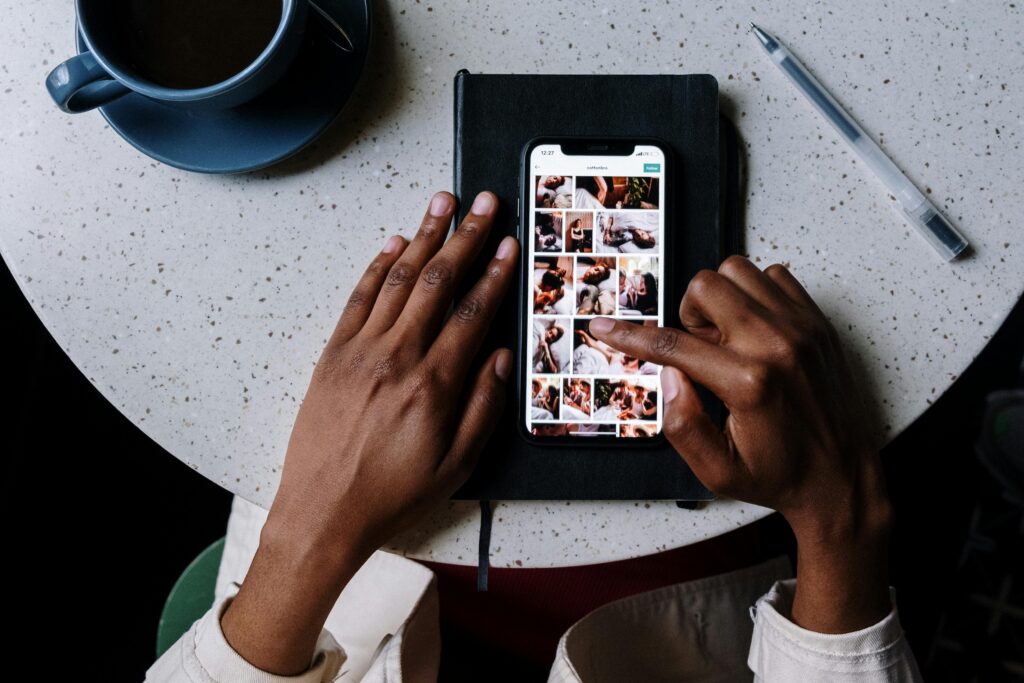
Online dating has transformed the way people meet. A few taps on a screen can introduce you to someone living across the city or even across the world. For many individuals, these platforms have opened doors that might never have existed in traditional social circles. Relationships begin through shared interests, unexpected conversations, and sometimes a simple swipe at the right moment.
However while exploring the psychology and safety concerns surrounding online dating, I began noticing that the digital environment also carries certain risks that many people underestimate. These risks tend to unfold slowly, often disguised as ordinary interactions that seem harmless at first.
The dangers associated with online dating develop through patterns that are easy to overlook until the situation becomes emotionally or financially damaging.
The Subtle Reality of Fake Profiles
At first glance, these accounts can appear convincing. The photos look polished, the bio sounds thoughtful, and the conversation begins in a friendly and engaging tone.

What makes fake profiles particularly difficult to detect is that they often mirror the behaviors of genuine users like messages arrive at a natural pace, personal details seem believable, and the person on the other side of the screen may appear deeply interested in building a connection. This sense of familiarity encourages trust, which is exactly what these accounts rely on.
During my research, I found that many fake profiles are created for a variety of reasons. Some are designed to collect personal data, while others are connected to more elaborate scams. In other cases, the motivation may be still misleading, such as individuals hiding their identity behind altered photos or fabricated stories.
The challenge lies in the emotional investment that develops before doubts arise. When you begin talking to someone regularly, the mind naturally fills in the gaps, imagining the person behind the messages.
When Conversations Suddenly Disappear
Another experience that appears frequently in digital dating culture is ghosting. This term describes a situation where someone you have been communicating with suddenly stops responding without explanation. One day the conversation flows easily, and the next day the silence begins.
From a psychological perspective, ghosting reflects how easily online interactions can be abandoned. In face to face environments, social cues and shared spaces encourage closure. Online platforms remove much of that accountability. When conversations exist only through text, disappearing becomes surprisingly simple.

While ghosting is often discussed as a social inconvenience, it can have a deeper emotional effect than many people realize. The lack of explanation leaves the mind searching for reasons, replaying past messages and wondering what changed. That uncertainty can create lingering self-doubt, especially when it happens repeatedly.
What I discovered while examining this pattern is that ghosting often reveals how the structure of dating apps allows people to move quickly between interactions without addressing the emotional consequences.
The Growing Problem of Romance Scams
Among the most serious dangers in online dating are romance scams. These situations involve individuals who deliberately build emotional relationships with the intention of requesting money or financial assistance later in the conversation.
The process usually unfolds slowly and carefully. At first, the connection may feel genuine. The person expresses affection, shares personal stories, and gradually builds a sense of emotional closeness. Only after trust has developed does the request appear, often framed around an emergency, travel difficulty, or temporary financial hardship.
Because the emotional bond has already formed, many victims feel compelled to help. The request seems reasonable within the context of the relationship that has been carefully constructed over time. Unfortunately, once money is sent, the story often continues with new complications and additional requests. What struck me while researching these scams is how skillfully they rely on human empathy, the tactics build a relationship first, allowing trust to do most of the work.

Why Online Dating Can Create a False Sense of Safety
Another pattern I noticed while studying online dating risks is the illusion of familiarity that digital communication creates. When you exchange messages with someone regularly, the brain begins to interpret that interaction as a form of closeness. The more personal details you share, the more real the relationship begins to feel.
The digital space hides important contextual information that normally helps people evaluate trust. Body language, tone of voice, shared environments, and mutual social networks all contribute to understanding another person. Online platforms often remove these signals entirely.
Without those cues, it becomes easier for someone to shape a version of themselves that exists only within the conversation. That version is constructed within a controlled environment where verification is limited.
How You Can Approach Online Dating More Carefully
After exploring these patterns in depth, one thing becomes clear: many meaningful relationships still begin through these platforms every day. The key difference often lies in how users navigate the environment.
Taking time to verify identities, paying attention to inconsistencies in stories, and maintaining healthy skepticism during early conversations can significantly reduce risk. Emotional pacing also matters. Allowing trust to develop gradually rather than quickly sharing personal or financial information creates space for clearer judgment.

Whenever possible, move conversations toward real-world interactions or video calls earlier in the process, these steps help restore balance between curiosity and caution.
Conclusion
Online dating has introduced remarkable opportunities for connection, allowing people to meet partners beyond the limits of geography or social circles. At the same time, the digital nature of these platforms creates environments where identity can be manipulated and emotional trust can be exploited.
Fake profiles, ghosting, and romance scams reveal how easily human psychology can be influenced when communication happens through screens rather than shared experiences. Recognizing these patterns encourages a more thoughtful approach that balances openness with awareness.
When you enter these spaces with patience, curiosity, and a clear sense of personal boundaries, the technology becomes what it was originally meant to be. A tool for meeting new people, rather than a space where trust must be given away too quickly.
