


You don’t need a dramatic moment to know something is wrong. It shows up in the way conversations feel shorter, in how connection starts to feel like effort, and in the realization that you’re no longer experiencing the relationship the same way.
Being checked out of a marriage looks like distance that keeps expanding, even when nothing obvious has happened. And what makes it harder is that it often leaves you questioning yourself before you question the relationship.
The Way You Talk To Each Other Starts To Feel Different
The shift often begins in conversation with a change in depth. You can still talk about your day, your plans, the things that need to get done. However, something underneath that disappears.
You might notice it when you share something that matters to you and the response feels surface-level, like it doesn’t quite land. Or when conversations that used to unfold naturally now feel like they stall too quickly. There’s less curiosity, emotional presence, and a sense that the other person is truly engaging with you.
Gradually this creates a subtle pullback. You start editing yourself, sharing less because the connection no longer invites the same openness.
You Feel Alone In Moments That Used To Feel Shared
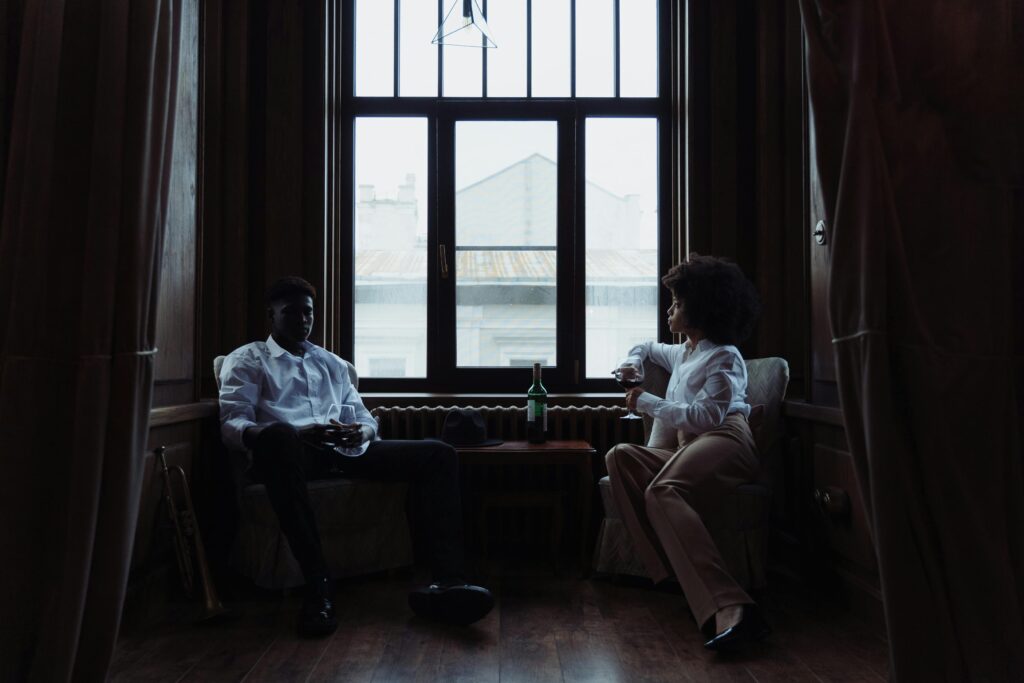
In many cases, emotional disconnection is the opposite. You’re still in the same space, still part of the same routines, though the feeling of being emotionally met begins to fade.
It shows up in small, specific moments. When you’re overwhelmed and their response feels distant, or something good happens and their reaction doesn’t match your energy. That’s where the loneliness comes from, from no longer feeling accompanied in your own experiences.
Effort Fades In Ways That Are Easy To Dismiss At First
Most people don’t immediately recognize when effort starts to disappear because it’s gradual, almost unnoticeable at first.
Maybe they stop checking in during the day like they used to, or small habits that once felt like care, such as sending a message, remembering details, making time without being asked start to fade. Each change has a reasonable explanation on its own.
Yet when those small efforts don’t come back, and they continue to disappear, it begins to reflect something deeper than busyness or stress, and also starts to feel like the relationship is no longer being actively maintained by both people.

Conflict No Longer Carries Emotional Weight
Conflict usually is part of staying engaged that changes the energy behind it.
When someone has checked out, arguments often feel flat or avoidable. You might bring up something that matters, and instead of engagement, you get indifference or quick dismissal. Or conflict stops happening altogether because one person no longer invests enough to engage.
For example, a disagreement that would have once turned into a long conversation now ends in a short, detached response. And that absence of emotional investment tends to say more than the argument itself.
The Future Becomes Uncertain In Subtle Ways
One of the clearest signs of emotional withdrawal shows up in how the future is treated. Not through direct statements, but through avoidance or vagueness.
You might notice that plans become less concrete. Conversations about long-term goals feel postponed or brushed aside. When you bring up something ahead: whether it’s a trip, a decision, or a shared milestone, the response lacks clarity or enthusiasm.

It doesn’t always come with an explanation, which makes it harder to confront. However, the absence of a shared vision becomes noticeable over time, especially if it used to be something you both naturally talked about.
Physical Closeness Starts To Feel Disconnected
Changes in intimacy are easier to notice, sometimes, it’s the feeling that changes first.
You might still have moments of physical closeness. There may be less initiation, less responsiveness, or a sense that the connection isn’t fully there.
For instance, something that once felt natural and mutual may start to feel routine or one-sided. And even without a clear explanation, that shift tends to reflect what’s happening emotionally beneath the surface.
You Stop Feeling Like A Priority In Their Attention
When someone is emotionally invested, it shows where their attention naturally goes in the way they include you in their mental and emotional space.
When that changes, you may notice they’re more absorbed in other areas of life in how present they are. You become less of a default person they turn to, less of a central part of their focus. It’s like the absence of being consistently considered, which slowly reshapes how the relationship feels.

You Find Yourself Carrying More Of The Relationship
At some point, the imbalance becomes difficult to ignore. You’re the one initiating conversations, trying to reconnect, bringing up concerns, making the effort to close the distance.
An example of this might look like you being the one who suggests spending time together, who tries to talk through what’s happening, who keeps attempting to restore what feels like it’s slipping. And while effort itself isn’t the problem, the lack of it being returned changes how that effort feels. It starts to feel heavier, and like something you’re holding on your own.
Conclusion
In general, relationships can go through phases where connection feels harder to access, especially under stress or major life changes.
When the pattern becomes consistent like the emotional absence, the lack of effort, and the growing imbalance don’t shift back, it’ll be worth paying attention to what that pattern is telling you.
Recognizing these signs is about seeing the reality of the relationship without minimizing it. Because clarity simply gives you a more honest place to stand, so whatever you choose next comes from awareness, not confusion.
