




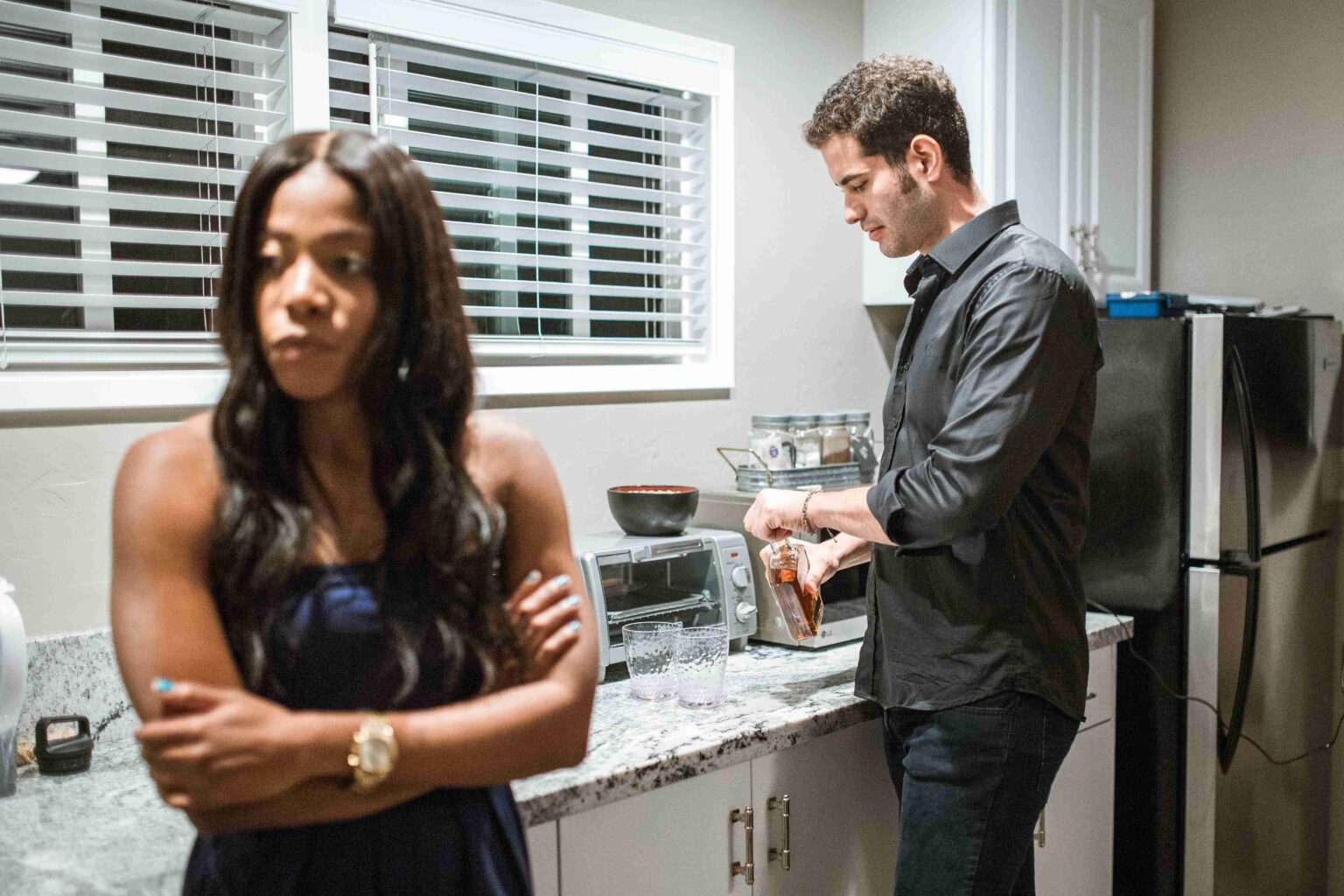
There’s a specific kind of loneliness that comes from lying next to someone who once knew you better than anyone else in the world, and feeling like a stranger in your own home. If you’ve been thinking “My husband hates me” lately, you already know that feeling. And it’s exhausting in a way that’s hard to explain to anyone who hasn’t lived it. This article is here to help you think clearly when everything feels foggy.
Disclaimer: The information provided in this article is for educational and informational purposes only and is not intended as professional psychological, psychiatric, or medical advice. If you are experiencing a crisis or suspect you are in an abusive relationship, please seek help from a licensed mental health professional or contact the National Domestic Violence Hotline at 1-800-799-SAFE (7233).
Does He Really Hate You? Heavy Weight of an Unhappy Marriage
When communication completely breaks down, our brains naturally jump to the worst possible conclusions. You look at his closed-off body language, his short answers, or his total avoidance of eye contact, and the thought rings out clearly: my husband hates me. But before you let that thought anchor itself into your reality, it helps to dissect what’s actually happening beneath the surface.
Misreading Stress and Emotional Shutdown
Men often process extreme stress, financial worry, or professional failure by retreating into an emotional cave. When a man feels overwhelmed, his nervous system shuts down, leading to stonewalling or intense irritability. It’s easy to look at his coldness and assume it’s directed entirely at you, when in reality, he might just be drowning in his own unexpressed pressures. This recognizes the difference between personal hatred and personal burnout is a crucial first step.
The Cycle of Resentment
Hurt people hurt people, and marriage acts as the ultimate amplifier for this human flaw. When you constantly tell yourself “my husband hates me,” you naturally build up a defensive wall. You might start keeping score, shooting him icy glares, or thinking bitterly to yourself “I hate my husband.”
This creates a toxic psychological mirror effect. He senses your resentment, assumes you dislike him, and withdraws even further. What started as a simple misunderstanding quickly snowballs into a vicious cycle where both partners feel entirely rejected and unloved.


Patterns Observed in Marriage Support Boards
When reviewing threads on r/marriage where partners deal with severe emotional stonewalling, a common feedback loop stands out.
Many users note that when they constantly panicked over their spouse’s coldness, they accidentally escalated the tension by reacting defensively. The general consensus among relationship peers who survived these crises is that pulling back to focus on your own individual grounding rather than attempting to force an emotionally exhausted partner to talk is often what allowed the marriage enough breathing room to de-escalate.
3 Rules to Navigate the Crisis and Protect Your Well-Being
Fixing a fractured dynamic is about grounding yourself, establishing firm personal boundaries, and controlling the only variable you actually have power over: your own actions.
Rule 1: Pause the Blame Game and De-escalate the Friction
When a relationship is on thin ice, every conversation feels like a trap door waiting to open. The first rule is to stop trying to win arguments. Winning a screaming match only means losing the marriage.
If a discussion starts escalating into a shouting match, be the one to step back. Say something neutral like, “We’re both too upset to handle this right now. Let’s talk when we’re calmer.” By refusing to feed the fire, you break the immediate cycle of conflict and give both of your nervous systems a chance to reset.
Rule 2: Focus on Individual Grounding and Self-Care
You can’t control his moods, his silence, or his emotional distance. If you tie your daily happiness entirely to whether he smiles at you in the morning, you’ll constantly live on an emotional roller coaster.
Shift your focus back to yourself. Reconnect with the things that make you feel alive outside of your identity as a wife. Spend time with supportive friends, go to the gym, pick up an old hobby, or read a book. Rebuilding your own independent joy is making sure your mental health doesn’t crash just because he’s having a bad day.
Rule 3: Know Your Limits and Learn to Let Go
Letting go is an internal shift. It means releasing the desperate expectation that you can single-handedly fix a man who has no desire to do the work himself.
You need to know your own emotional boundaries. If you’ve communicated your pain calmly, suggested counseling, and tried to de-escalate the tension, yet still meet a wall of total indifference or cruelty, you must accept reality for what it is. When an unhappy marriage hits a point of continuous, unyielding toxicity, letting go means prioritizing your safety and long-term peace. At that stage, reaching out to a family attorney or a licensed mediator is a necessary step to protect your future.

What to Do Right Now When the Tension Spikes
When the atmosphere in your home gets so heavy that you can practically feel the pressure in the air, you need immediate, practical coping mechanisms. Don’t engage, retaliate, and resort to cold-shoulder games. Use these three steps instead.
Step 1: Claim Your Physical Space
If a fight is brewing or the tension is suffocating, remove yourself from the immediate environment. You don’t need to storm out or slam doors. Simply say: “I’m going to take some quiet time in the other room,” or go sit on the porch. Giving each other physical breathing room stops a bad moment from turning into a week-long cold war.
Step 2: Use Journaling to Process the Grief
When you feel overwhelmed by anger or sorrow, your brain spirals. Instead of texting a raw, unfiltered paragraph of grievances to your husband, grab a piece of paper and write it all down. Pour out every single ounce of heartbreak, resentment, and fury. Seeing your thoughts on paper helps externalize the pain, taking the edge off your anxiety without handing your partner ammunition for another argument.
Step 3: Change the Environment
If the walls feel like they’re closing in, put on your shoes and walk out the front door for a 20-minute stroll around the neighborhood. The physical act of walking changes your bilateral brain stimulation, naturally lowering your cortisol levels. By the time you walk back through the door, your heart rate will be lower, and your mind will be significantly clearer.

Moving Forward: Healing or Separating Safely
To figure out whether this relationship can be salvaged, you have to look backward before you can look forward.
Re-evaluating the Roots: From the Early Days to Now
Take a moment to look at the history of your relationship. Are these toxic patterns completely brand new, or have they been quietly lingering since the very beginning? Many women look back and realize they were asking themselves why does my boyfriend hate me during stressful periods of dating, long before any wedding rings were exchanged.
If you remember crying yourself to sleep and thinking I hated my boyfriend back in your early 20s, then the current issues are deeply ingrained structural flaws in how you two communicate, which means fixing them will require a massive, shared overhaul.
Seeking Professional Marriage Counseling
If you both decide that the love is still there beneath the layers of hurt, don’t try to fix it alone. A licensed marriage therapist acts as an objective referee who can call out toxic habits without taking sides. Introduce the idea when things are quiet, not during a fight. Frame it around your own feelings rather than his failures:
“I love our family, but I’m deeply unhappy with how we’re communicating. I want to try therapy so we can learn how to be a team again.”
Conclusion
Rebuilding a broken bond takes immense vulnerability, time, and most importantly, a willing partner. You can do everything right, follow every rule, and de-escalate every fight, but you can’t carry a marriage entirely on your own back. While saving the relationship requires two people, protecting your inner peace is a solo job that belongs entirely to you.


