


During an era when being openly queer could instantly ruin your career, stars needed an ironclad shield. They turned to a strategic partnership that completely redefined domestic life.
So, what is a relationship supposed to be when it’s built for survival rather than romance? As we look back at the history of types of relationships, one specific model stands out as a complicated testament to human resilience. The concept of a lavender marriage is a phrase born in the shadows that’s making a surprising comeback. Let’s peel back the curtain on this unique arrangement, explore its historical roots, and understand why some people are reconsidering this path in 2026.
Decoding the Term: What is a Lavender Marriage?
When searching for historical truths, many people drop the correct spelling and type lavender marriage into search bars out of pure curiosity. No matter how you spell it, answering what is a lavender marriage requires a look into historical sociopolitical pressures.
The baseline lavender marriage meaning refers to a marriage of convenience entered into between a man and a woman where at least one partner and frequently both is secretly part of the LGBTQ+ community. It’s a legally binding contract used to create a flawless public facade, appease conservative families, and shield individuals from intense systemic persecution.
To get a clearer picture of the lavender marriage definition, you have to look at the cultural weight of the terminology itself. For over a century, the color lavender has been deeply tied to queer history and aesthetics. Therefore, a lavender relationship or understanding the broader lavender relationship meaning centers on a domestic bond constructed as a protective barrier. It’s a mutual agreement to share a home, a last name, and a public life to keep the outside world from asking dangerous questions.
The Hidden History: Lavender Marriages in Old Hollywood
The Studio System Control
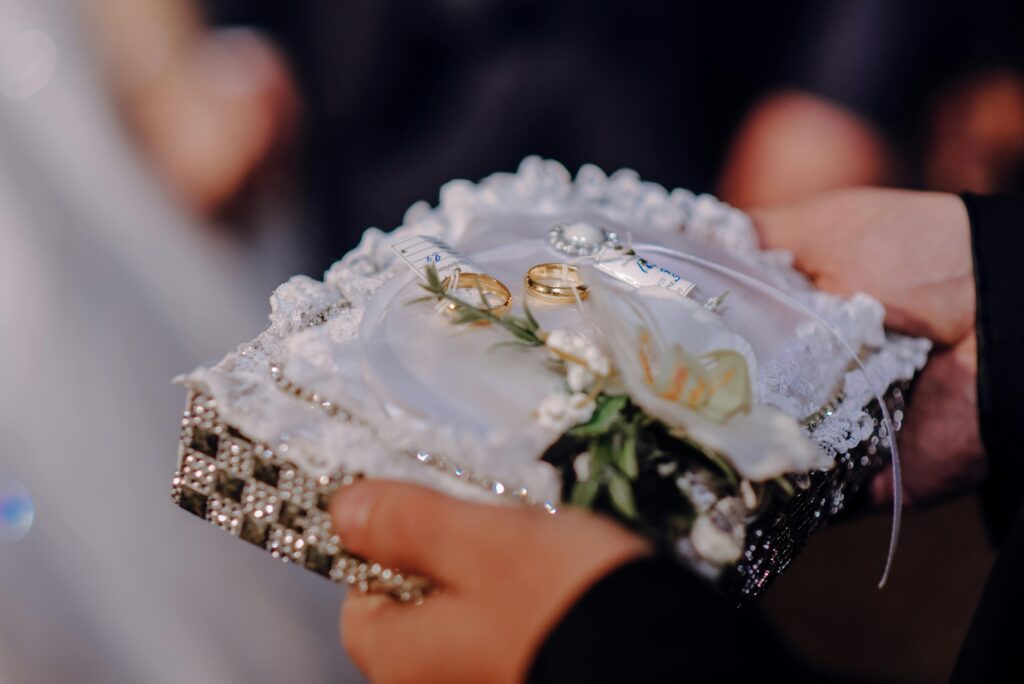
From the 1920s through the 1950s, Hollywood studios operated under strict moral clauses. If a top-tier male heartthrob was rumored to be gay, his box office value would instantly crash to zero. To protect their massive financial investments, studio executives actively orchestrated them. These weddings were massive public spectacles filled with press photographers and designer gowns, designed to sell the illusion of heterosexual bliss to a deeply conservative public.
Famous Historical Examples
History is filled with a prominent lavender couple in every era. Iconic actors like Rudolph Valentino and Rock Hudson were heavily rumored to have lived within these strategic setups. To the public, they were living the ultimate domestic dream. In reality, behind the closed doors of their massive estates, both partners lived completely separate emotional lives, operating more like business partners or deep platonic friends than actual spouses.
Why Are Lavender Marriages Trending Again in 2026?
As we navigate 2026, data shows that people are asking what is a lavender marriage more than ever. This trend is fueled by real modern pressures.
Reason 1: The Rise of Conservative Pressures Globally
While major Western cities continue to celebrate queer visibility, a massive portion of the global population still lives under intense legal, religious, and familial restrictions. In many conservative societies, remaining unmarried past a certain age invites severe social ostracization or intense family profiling. For a modern queer individual living in these environments, entering a lavender relationship is a valid survival mechanism. It allows them to satisfy family expectations while quietly maintaining their personal freedom in private.
Reason 2: Rethinking Marriage as a Strategic Partnership
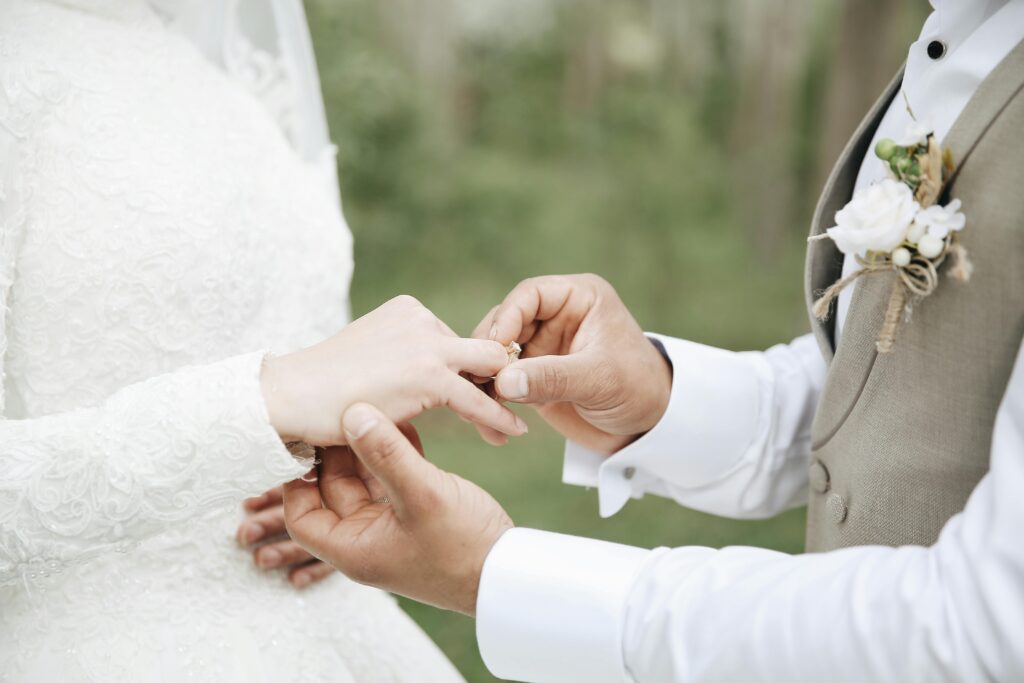
The younger generation is completely dismantling traditional relationship timelines. Millennials and Gen Z don’t necessarily view marriage as the ultimate validation of romantic love. Instead, many view it as a legal, financial, and strategic alliance.
Some contemporary couples are entering these unions intentionally, combining the structure of a shared household with the flexibility of an open relationship. They establish a safe, supportive home base together, while granting each other the total freedom to date, fall in love, and sleep with the partners they actually desire outside the house.
The Psychological Anatomy of a Modern Lavender Relationship
Operating a household built on a shared secret requires an exceptional level of emotional maturity, ironclad boundaries, and flawless communication.
When people look into what is lavender marriage in a practical sense, they find that it mirrors a complex business merger. A modern lavender couple must negotiate heavy logistical details before signing any paperwork. They have to discuss financial integration, living arrangements, how they’ll handle public displays of affection, and what they’ll tell their respective families. It’s a lifestyle that strips away the messy unpredictability of romance and replaces it with structured, platonic respect.

However, the dark side of this arrangement can be incredibly heavy. If the boundaries aren’t perfectly managed, or if one partner secretly begins to catch unrequited romantic feelings for the other, the protective shield will quickly collapse into a toxic marriage.
Living a double life breeds a unique, heavy sense of isolation. Pretending to be someone else in public while hiding your true love life can erode your mental health over time. If a couple falls into resentment, uses the shared secret as a weapon during arguments, or struggles with the crushing weight of societal shame, the dynamic transforms into an exhausting toxic relationship that ruins their peace of mind.
FAQ: Common Questions About Lavender Marriages
What’s a lavender marriage vs. a marriage of convenience?
A marriage of convenience can be entered into for any non-romantic reason, such as securing a green card, combining wealth, or gaining social status. A lavender setup is a very specific subcategory where the primary goal is to mask a person’s LGBTQ+ identity from a hostile public.
Can a lavender couple have children?
Absolutely. Many historical and modern couples choose to co-parent, raising children together on a foundation of deep platonic friendship, shared values, and mutual respect, while maintaining their separate private lives.
Is looking for a lavender setup ethical today?
Yes, provided there is 100% honesty, transparency, and informed consent between both individuals. It only becomes unethical if one partner is intentionally deceived into marrying a closeted individual under the false pretense of a traditional romance.
Conclusion
While a lavender union sits among the most complex and misunderstood relationship models in history, it serves as a powerful reminder of human adaptability. It proves that when society tries to force people into a singular box, individuals will always find creative, alternative ways to protect their lives and carve out their own version of peace.
As we move forward, the ultimate hope is that societal progress will continue to accelerate, ensuring that eventually, no one will ever feel the need to hide behind a purple curtain just to live their truth.
