




By the time evening arrives, you may notice that your body feels tired but your mind keeps moving. A long day filled with conversations, responsibilities, notifications, and small decisions can leave a residue in the background of your thoughts. Even after work ends, that mental momentum lingers while you cook dinner, scroll through your phone, or try to settle down for the night.
This’s where a thoughtful night self-care routine can gently change the atmosphere of your evening, you don’t need a complicated ritual or a strict schedule. What often helps the most is creating a few intentional moments that allow your mind and body to slow down together. When you approach the night as a gradual transition rather than an abrupt stop, relaxation begins to feel natural instead of forced.
Give Yourself a Clear Ending to the Workday
One small shift that can transform your evening is simply creating a clear boundary between the end of work and the beginning of personal time. Many people move straight from their job into household tasks or digital distractions without giving their mind a moment to register that the day is actually over.


You might notice how different the evening feels if you pause for a few minutes before moving on to the next activity. Changing into comfortable clothing, stepping outside for fresh air, or sitting with a glass of water can help your nervous system release the tension accumulated throughout the day. These actions send a subtle signal to your brain that you’re no longer in a state of constant productivity.
This small transition becomes something your mind begins to expect. That expectation alone can make it easier to leave work thoughts behind and enter a calmer emotional space.
Create an Atmosphere That Encourages Calm
Your environment plays a surprisingly powerful role in how quickly you unwind at night. Bright lights, cluttered spaces, and constant notifications can keep your brain alert even when you’re ready to rest. By adjusting the atmosphere around you, you can make relaxation feel more inviting.

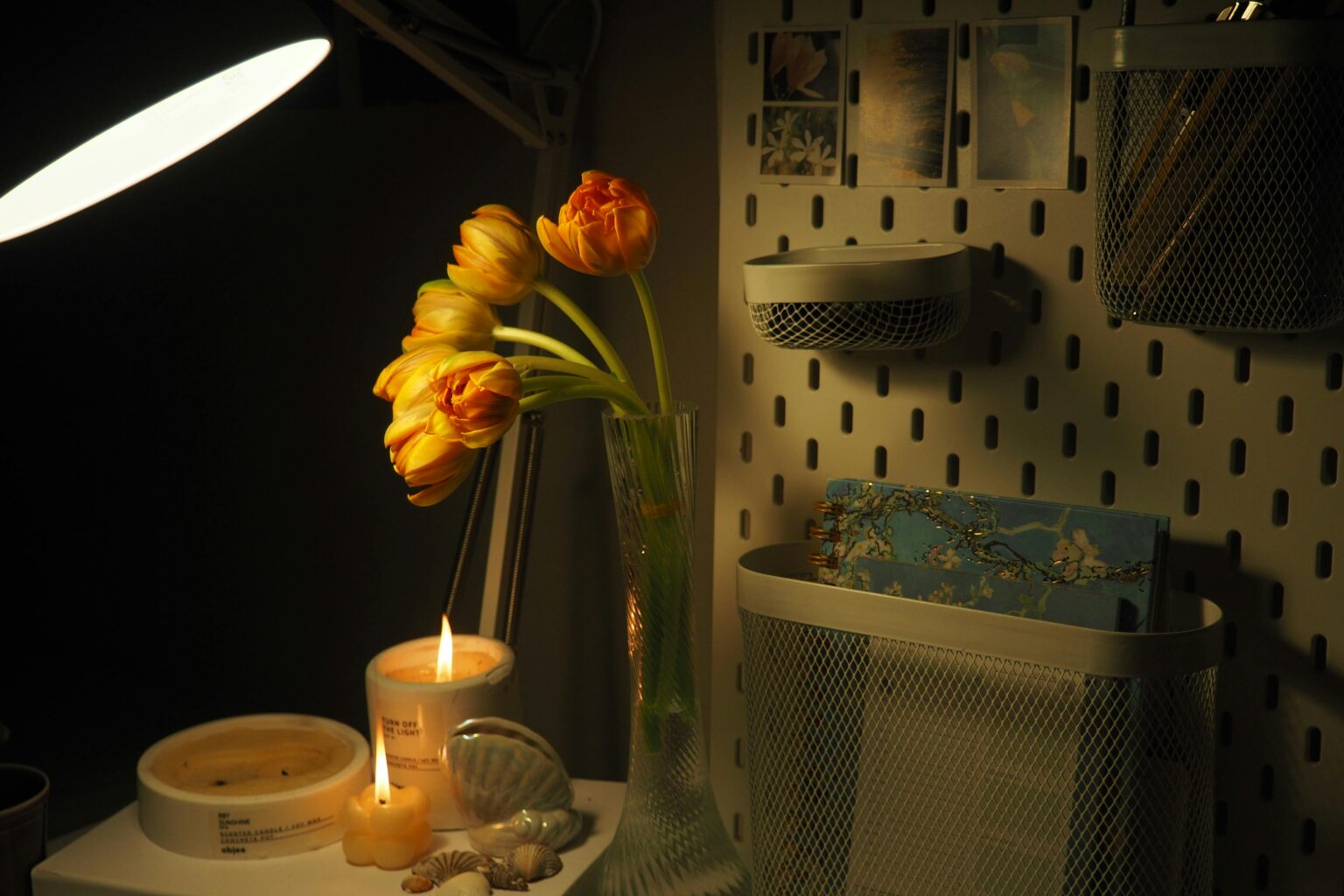
You might experiment with softer lighting in the evening or light a candle that carries a scent you associate with comfort. Some people enjoy playing background music while preparing for bed, while others prefer the silence of a dimly lit room. The details themselves are less important than the feeling they create.
When your senses begin to associate certain sights, sounds, or scents with nighttime, your body starts responding almost automatically. These cues gradually become part of a familiar rhythm that helps your mind shift from activity toward rest.
Let Your Mind Slowly Empty the Day
Even when your body is ready for sleep, your thoughts may still be replaying moments from earlier in the day. Conversations, unfinished tasks, or worries can circulate in the background long after you turn off the lights. Giving your mind a small outlet for those thoughts can make a significant difference.
You might find it helpful to write briefly about the day in a journal as a way to release whatever is lingering in your mind. Some evenings you may prefer reading a few pages of a book, stretching gently, or sitting with a warm drink while the day gradually settles. The goal is that you’re giving your thoughts a place to land so they don’t continue racing through the night.

Reconnect With Yourself for a While
During the day you often move through roles that revolve around other people’s expectations. Work responsibilities, social interactions, and daily obligations shape much of your attention. Evening self-care offers a chance to reconnect with your own interests and inner life.
You might spend a little time reading something inspiring, listening to music that shifts your mood, or reflecting on personal goals and emotions. Some people also enjoy reflective practices such as journaling with tarot cards or reading about astrology themes connected to the day. These moments encourage a kind of curiosity about your own emotional landscape.
Allowing yourself this space can feel surprisingly refreshing, especially when the rest of the day has been focused on external demands.
Prepare Your Body for Rest Without Rushing It
Sleep tends to arrive more easily when your body has time to transition into it gradually. Bright screens, stimulating conversations, and late-night multitasking can delay that process by keeping your brain alert. You may notice a difference if you start dimming lights and reducing screen exposure during the last hour of your evening. A warm shower, a slow skincare routine, or a few minutes of gentle stretching can help release the physical tension that accumulated during the day.

These habits send subtle biological signals that encourage the body to wind down. Your brain will gradually begin to associate these small rituals with the approach of sleep, making the entire process feel smoother and less forced.
Keep Your Routine Simple Enough to Continue
One of the most important things to remember about evening self-care is that it doesn’t need to be elaborate. In fact, routines that are too ambitious often fade quickly because they require more energy than the end of the day allows.
You may find it more helpful to focus on a few small habits that feel comforting and easy to repeat. When those habits happen consistently, they begin to create a sense of familiarity that your mind and body respond to automatically.
Consistency builds trust within your own routine. After a while the evening rhythm itself becomes calming because it signals that the day is ending and that rest is approaching.
Key Takeaway
A night self-care routine is about giving yourself permission to slow down after a day that likely demanded a great deal of your attention and energy. By creating a gentle transition, shaping a calming environment, and allowing space for reflection, you help your mind and body move naturally toward rest.
When you approach your evenings with intention and patience, those moments begin to accumulate into something powerful. Instead of ending the day feeling drained and restless, you gradually create a rhythm that helps you recharge, reset, and wake up with a clearer sense of balance.


