

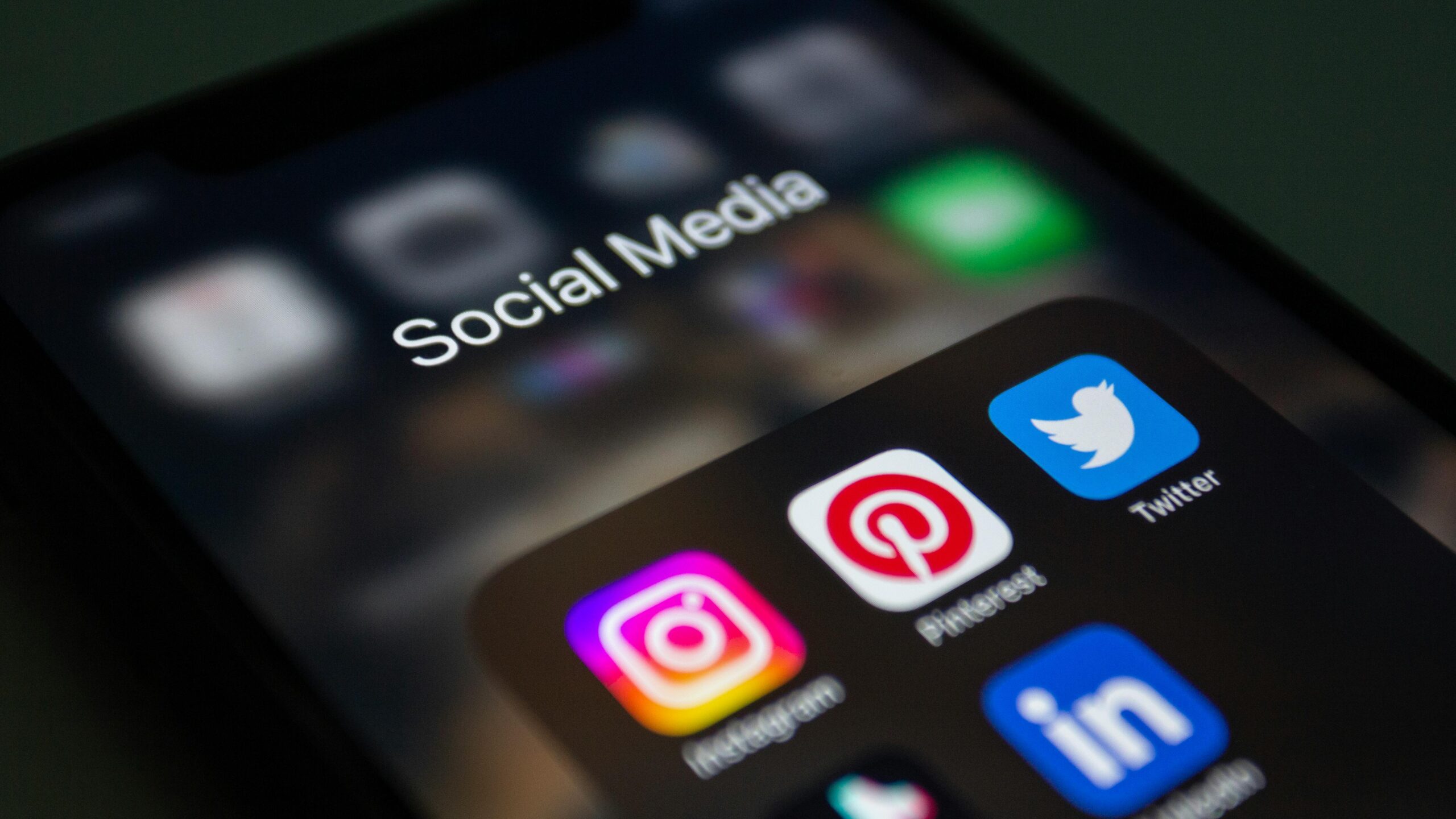
The modern social landscape is no longer confined to neighborhoods, workplaces, or classrooms. Much of human interaction now unfolds through screens where conversations travel instantly across continents and personal moments are shared with audiences that may include strangers.
Social media has gradually become woven into daily routines, shaping how people communicate, compare themselves, and understand the world around them. While these platforms offer remarkable opportunities for connection and expression, they also introduce subtle psychological dynamics that are still unfolding.
For many people, social media feels both familiar and emotionally complex. A single scroll can deliver inspiration, humor, breaking news, and moments of self-doubt within the span of a few minutes. The relationship between digital connection and emotional wellbeing is nuanced, shaped by personal habits, developmental stages, and the deeper psychological needs that guide human behavior.
Understanding how social media influences mental health requires looking beyond surface level concerns and examining the ways digital environments interact with the mind’s natural tendencies toward comparison, belonging, identity, and validation.
The Digital Environment and the Human Need for Connection
Social media platforms emerged from a deeply human desire to stay connected. The ability to maintain friendships across distance, discover communities around shared interests, and communicate instantly has transformed social life in meaningful ways. For individuals who might otherwise feel isolated whether due to geography, personal circumstances, or social anxiety, online spaces can provide a sense of belonging that might be difficult to find offline.
Community and Identity Formation
For many users, especially younger individuals navigating identity development, digital communities offer spaces where they can explore interests, values, and personal expression. Online platforms allow people to discover others who share similar experiences, whether those involve creative passions, cultural backgrounds, or emotional struggles. These connections can provide validation and reassurance that certain feelings or experiences aren’t faced alone.
At the same time, identity formation within online environments can become complicated by the performative nature of social media. Profiles often become curated versions of the self, shaped by subtle pressures to present a life that appears interesting, successful, or emotionally balanced. Maintaining this curated image may gradually introduce tension between authentic experience and the version of life that is publicly displayed.
The Psychology of Social Validation
Human beings have always responded strongly to social feedback. Compliments, recognition, and approval activate psychological reward systems that reinforce behaviors associated with social acceptance. Social media amplifies this feedback loop by quantifying attention through likes, comments, and follower counts.

Although these signals may appear trivial, they engage psychological processes connected to self-worth and belonging. When digital affirmation becomes intertwined with personal value, emotional responses can become closely tied to how others respond online. A post that receives enthusiastic engagement may produce a brief sense of satisfaction, while silence or criticism can unexpectedly influence mood.
The emotional weight attached to these interactions often develops gradually, without users consciously realizing how deeply digital feedback has entered their sense of social identity.
Social Comparison in a Curated World
Highlight Reels and Invisible Context
One of the most widely discussed psychological effects of social media involves comparison. People naturally evaluate their lives by observing others, a process that helps individuals understand social norms and measure personal progress. Online environments intensify this instinct because the content people encounter often represents carefully selected highlights rather than everyday reality.
Photographs of achievements, vacations, celebrations, and milestones appear continuously in digital feeds. Repeated exposure to these curated glimpses can create the impression that other people’s lives are consistently happier or more successful. Even when individuals intellectually recognize that social media presents selective narratives, emotional reactions may still arise. Subtle feelings of inadequacy, envy, or self-doubt can emerge when comparison becomes constant.

The Emotional Weight of Perceived Expectations
Social media also expands the audience for personal milestones and life decisions. Achievements that once circulated among close friends and family are now visible to hundreds or thousands of people. This broader visibility can create an implicit sense of expectation, as though life events are being observed and evaluated by a large social network.
For some individuals, especially adolescents and young adults who are still developing their sense of self, this perceived scrutiny may intensify pressure around appearance, career choices, relationships, or lifestyle. The result is a persistent awareness that personal life unfolds within a digital stage.
Attention, Mood, and the Pace of Digital Interaction
The Fragmentation of Attention
Social media platforms are designed around rapid information flow. Content refreshes quickly, encouraging users to move continuously from one post to the next. This constant stimulation can reshape attention patterns, making it more difficult for the mind to remain focused on slower, deeper activities.

When the brain becomes accustomed to frequent novelty, everyday tasks such as studying, reading, or reflective thinking may feel less engaging by comparison. Over time, individuals may notice subtle shifts in concentration and patience, particularly when offline activities lack the immediate stimulation found online.
Emotional Contagion in Digital Spaces
Emotions spread easily through social networks, both offline and online. On social media, exposure to emotionally charged content whether inspiring, distressing, or controversial can influence mood without users fully realizing it. News events, social debates, and viral stories often carry strong emotional tones that ripple through digital communities.
Because users encounter these emotional signals repeatedly throughout the day, the overall atmosphere of a digital feed may shape emotional states in subtle ways. Periods of heavy exposure to alarming or conflict-driven content can contribute to heightened anxiety or fatigue.

Adolescents and the Unique Sensitivity of Developing Minds
Identity Development in Public Spaces
Teenagers and young adults often experience social media differently from older users. During adolescence, the brain undergoes significant development in areas responsible for emotional regulation, impulse control, and social sensitivity. This developmental stage naturally involves heightened awareness of peer opinion and social belonging.
When identity exploration unfolds within online environments, the feedback from peers becomes immediate and highly visible. Positive interactions can strengthen confidence and connection, while negative experiences such as exclusion, criticism, or cyberbullying may feel especially intense. The digital environment, therefore, becomes an extension of the social world adolescents already navigate, magnifying both supportive relationships and social challenges.
Sleep, Routine, and Digital Habits
Another concern related to younger users involves the integration of social media into daily rhythms. Many individuals remain connected late into the evening, scrolling through content or communicating with friends long after the day’s responsibilities have ended.

When digital activity gradually replaces sleep or downtime, emotional regulation and mental resilience may suffer. Sleep disruption is closely linked to mood stability, making consistent rest an essential but often overlooked factor in discussions about mental health and social media.
Conclusion
Social media has transformed the landscape of human interaction, introducing new forms of connection while reshaping emotional experiences. Its influence on mental health from a web of psychological dynamics involving identity, comparison, validation, and attention.
When viewed thoughtfully, these platforms reveal something deeper about the human mind. People seek belonging, recognition, and understanding, and social media simply provides a new stage where those timeless desires unfold. The challenge lies in recognizing how this environment interacts with emotional wellbeing, allowing individuals to participate in digital communities while remaining grounded in the rhythms of real life.
