





Modern dating is often trapped in a paradox: the more effort poured into creating a grand first impression, the more a genuine connection is obscured. A lavish night dinner has long been considered the gold standard, in reality, it isn’t completely true. Spending 2 hours sitting across from a stranger, navigating an expensive bill, and struggling to maintain politeness after realizing a lack of chemistry within the first five minutes is a waste of resources.
Dinner dates are the old guard of the dating world. They carry a heavy weight of expectation that feels more like a high-stakes job interview than a natural spark. This is why the 30 minute coffee date has emerged as the ultimate power move for the intentional dater. It’s a deliberate strategy to protect the only asset that can’t be recovered: personal time.
The Escape From The Hostage Situation
One of the most significant flaws of the traditional dinner date is the lack of a natural exit. When the vibe is off by 10 minutes, there’s still an agonizing wait for the entree, the check, and the polite small talk used to fill the gaps. In every sense it’s a social hostage situation.
Coffee date within 30 minutes provides a built in escape hatch. A latte lasts just long enough to gauge the baseline energy of another person.
- When the spark is missing: The bottom of the cup signals a graceful, guilt-free conclusion.
- When the connection is real: The brevity of the encounter creates a healthy tension. Ending the date at the peak of the conversation is a psychological masterstroke; it leaves both parties wanting more, ensuring the second date is a priority.
The Clarity Of Mid-Day Authenticity
Dinner dates happen at the end of the day when social batteries are often at 10%. Fatigue makes it easier to perform a dating persona or, conversely, too exhausted to notice subtle red flags. There’s a reason why bars are dark and restaurants are loud; they’re designed to mask the awkwardness.

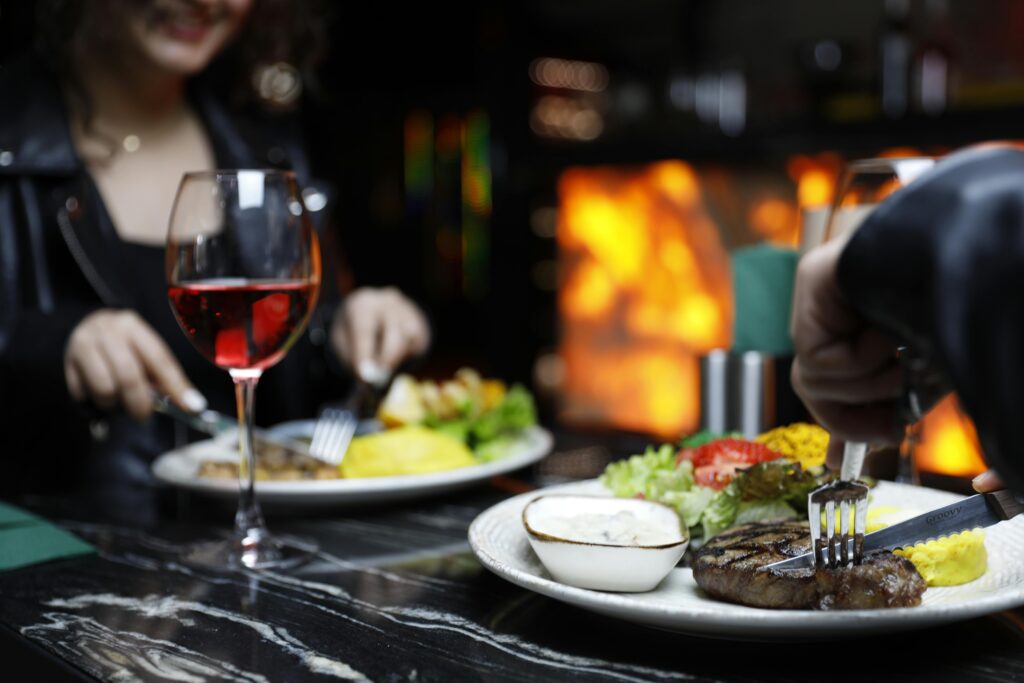
Coffee dates catch people in the daylight. There’s no candlelight to soften the edges and no cocktails to blur the judgment. How someone handles a crowded cafe, interacts with a busy barista, or manages a conversation without the crutch of alcohol says more about their long term compatibility than a curated evening performance ever could.
Filtering for Intent Over Entertainment
A common critique on platforms like TikTok is that coffee dates are low effort. However, this perspective confuses financial expenditure with emotional investment. A person willing to buy a $150 dinner for a stranger isn’t necessarily more interested because they want to use value to compensate for a lack of vibe.
The coffee date prioritizes the person over the plate, it signals that the goal is a genuine assessment of chemistry. In the modern dating economy, being protective of one’s time is the highest form of self-respect, it communicates that an evening is a privilege to be earned.
Protecting Against The Dating Burnout Cycle
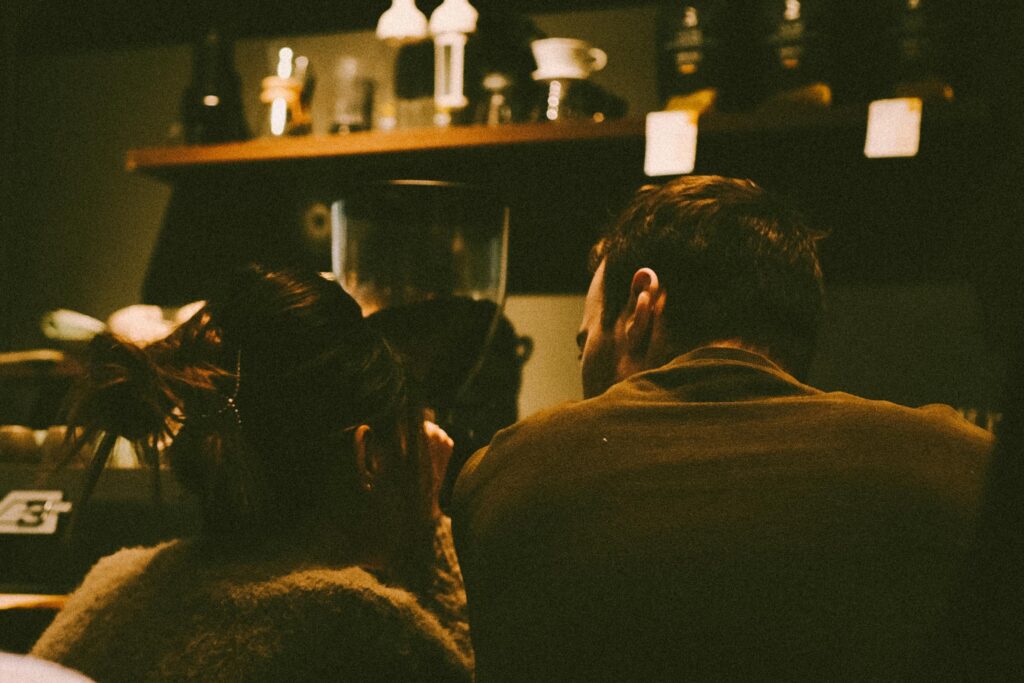
Burnout is a byproduct of high effort, low reward cycles. When every first meeting requires a full outfit change, a reservation, and a significant financial commitment, the stakes become unnecessarily high. This leads to dating fatigue, where every failed connection feels like a personal and financial loss.
By shifting the first encounter to a low stakes environment, the pressure evaporates, dating returns to its original purpose: exploration. It allows for meeting a wider variety of people without the emotional tax that comes with grand gestures. Efficiency in the first 30 minutes preserves the energy needed for the person who actually deserves a full three-course meal later on.
The Psychology Of The Neutral Ground
Restaurants usually have a formal hierarchy: the host, the server, the table. It’s a rigid structure that can feel stifling. By contrast a coffee shop is a fluid, communal space, it’s actually neutral ground that encourages a more egalitarian dynamic.


The casual nature of a cafe allows for a more observational style of dating. Instead of a face to face interrogation, a coffee date can involve side by side seating or a quick walk through a nearby park. Movement fosters better conversation than stagnant sitting, it allows for a natural flow of energy that reveals how a person actually moves through the world, rather than how they sit behind a menu.
In Conclusion
In short, coffee date is about being certain, it’s a declaration that time is the most valuable currency in the dating market.
Choosing coffee over dinner is a move toward intentionality. It filters for those who are interested in a partner, and also prioritizes the person over the production. The next time a dating app match leads to a first meeting, skipping the reservation might be the smartest strategy. Because the real power move isn’t showing off a bank account; it’s knowing exactly who is worth an entire evening, and who is only worth the time it takes to drink a cup of coffee.
Try it just once: swap the night dinner for a casual afternoon at a local cafe. Notice how much more is revealed when the pressure of a three-course meal is gone. It might just be the most efficient 30 minutes ever spent in the search for a real connection.


