




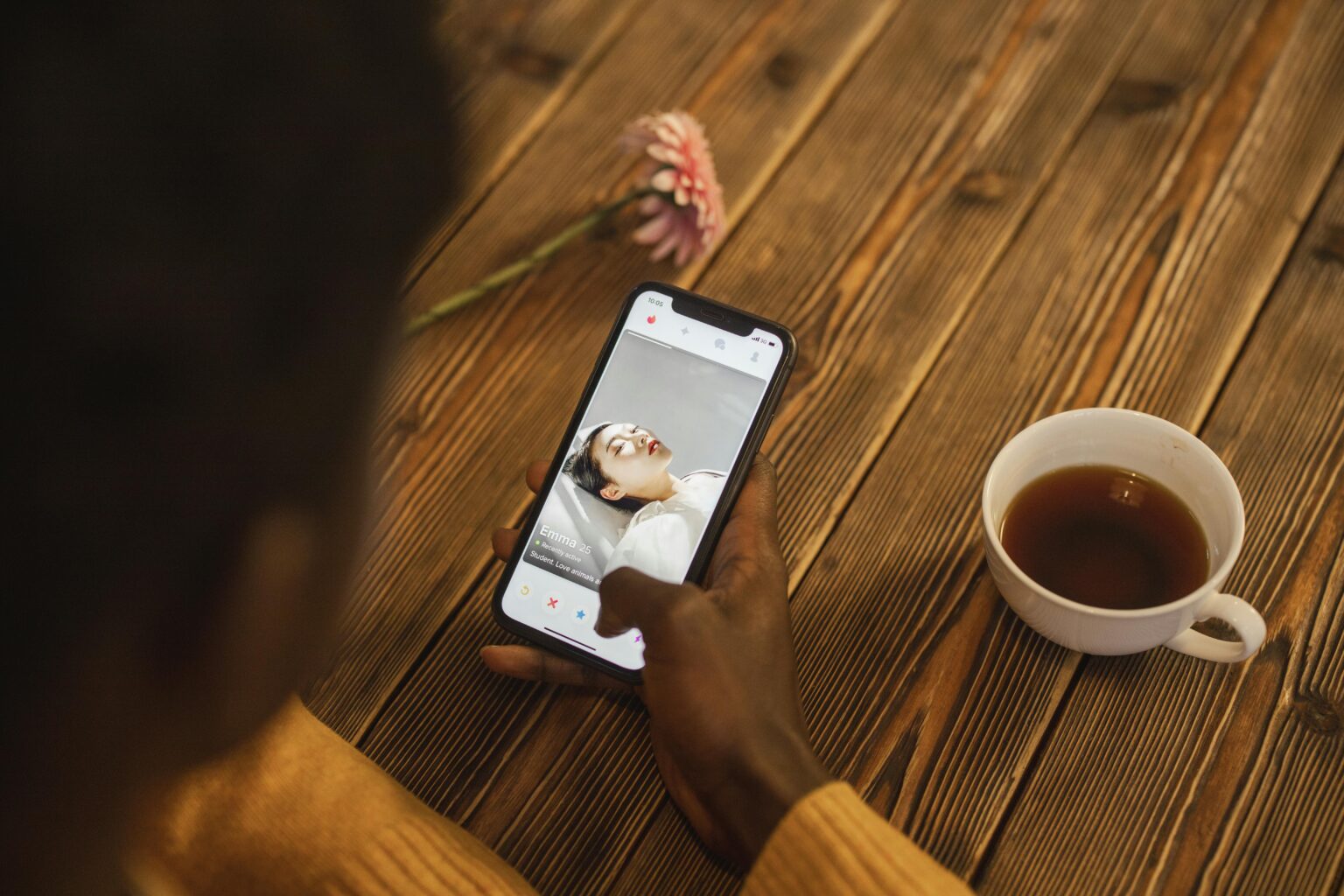
If you have spent time on modern dating apps, you may have noticed something that feels strangely contradictory. On the surface, these platforms promise endless opportunities to meet new people. Profiles appear with a simple swipe, conversations can begin instantly, and the number of potential matches often feels limitless. Many users admit that despite receiving more matches than ever before, genuine emotional connection sometimes feels harder to find.
This experience has become increasingly common in the digital dating landscape. While technology has expanded the number of people you can encounter, the structure of dating apps has also changed how relationships begin and develop. The result is a strange dynamic where attention quickly shifts from one person to another, often leaving people feeling a lack of depth in relationships.
Understanding why this happens requires looking beyond the apps themselves and exploring how human psychology responds to the environments these platforms create.
The Paradox of Endless Choice
One of the most powerful features of dating apps is the sheer number of potential partners they present. With each swipe, another profile appears, often accompanied by attractive photos, witty captions, and glimpses of a person’s lifestyle. At first, this abundance can feel exciting because it expands the possibilities far beyond the people you might meet through daily life.

However, the experience of having too many options can produce an unexpected psychological effect. When the mind encounters a constant stream of alternatives, it becomes more difficult to invest deeply in any single interaction. Even when a conversation feels promising, the knowledge that many other profiles are waiting nearby can subtly weaken the motivation to explore the connection further.
The Mental Fatigue of Swiping Through People
Modern dating apps require a surprising number of decisions. Every profile invites a quick judgment about appearance, personality, lifestyle, and compatibility, all based on limited information. At first this process may feel entertaining, though repeated exposure to hundreds of profiles can become mentally exhausting.
Psychologists often describe this phenomenon as decision fatigue. When the brain faces too many choices, it gradually becomes less capable of making thoughtful evaluations. Instead of carefully considering each person, you may begin making quicker and more superficial judgments simply to keep the process moving.


As a result, people who might have sparked meaningful conversations can easily be overlooked. The pace of the app encourages fast decisions even though genuine compatibility usually reveals itself through slower interactions.
Conversations That Struggle to Develop Depth
Another common experience on dating apps involves conversations that begin with enthusiasm but gradually lose momentum. Messaging someone you have never met in person can feel slightly abstract, especially when several conversations may be happening at the same time.
Without shared experiences such as meeting for coffee or spending time together in a real environment, the connection relies entirely on written messages. Small delays in response or shifts in attention can cause the conversation to fade unexpectedly.
This pattern often leaves people wondering what happened. A promising exchange may suddenly stop without explanation, creating the sense that the interaction never fully had the chance to become something meaningful.

The Pressure to Present a Perfect Version of Yourself
Profiles on dating apps also encourage a subtle form of performance. Photos are chosen carefully, and bios are written to capture attention quickly. While this process is understandable, it can create an environment where everyone appears slightly more polished than they might feel in everyday life.
When profiles are highly curated, it becomes harder to sense the ordinary qualities that make someone relatable. Humor, vulnerability, and spontaneity often appear more naturally in real conversations than in carefully constructed digital introductions.
This distance can make it difficult for users to feel that they’re encountering real people rather than carefully designed profiles competing for attention.
Why the Feeling of Disconnection Is Increasing
As these patterns combine, many users begin experiencing a subtle sense of disconnection. The pace of swiping encourages quick impressions rather than thoughtful curiosity. The abundance of profiles weakens the incentive to invest in any single conversation. Meanwhile, the structure of messaging makes it easy for interactions to disappear before they fully develop.

None of these dynamics occur intentionally. They emerge from the way digital environments shape attention and decision-making.
How You Can Approach Dating Apps More Intentionally
Despite these challenges, dating apps can still serve as useful tools for meeting people outside your usual social circles. The key often lies in how you approach the experience rather than in the technology itself.
Many users find that slowing down their interactions changes the entire dynamic. Instead of swiping endlessly, focusing on a smaller number of conversations allows curiosity and personality to emerge more naturally. Giving someone time to express themselves can reveal qualities that are impossible to capture in a profile alone. Taking occasional breaks from the apps can also help restore perspective, when your attention becomes easier to appreciate the value of deeper interactions.
Key Takeaway
Modern dating apps have expanded the possibilities for meeting new people in ways previous generations could hardly imagine. Nevertheless the same features that create abundance can also make genuine connection feel more fragile. Endless choices, quick validation loops, and the pressure to present perfect digital identities can interfere with the slower process of getting to know someone.
When you approach these platforms with patience and intention, however, the experience begins to change. Real connection grows through curiosity, attention, and the willingness to let conversations unfold at a human pace, even in a digital world.


