




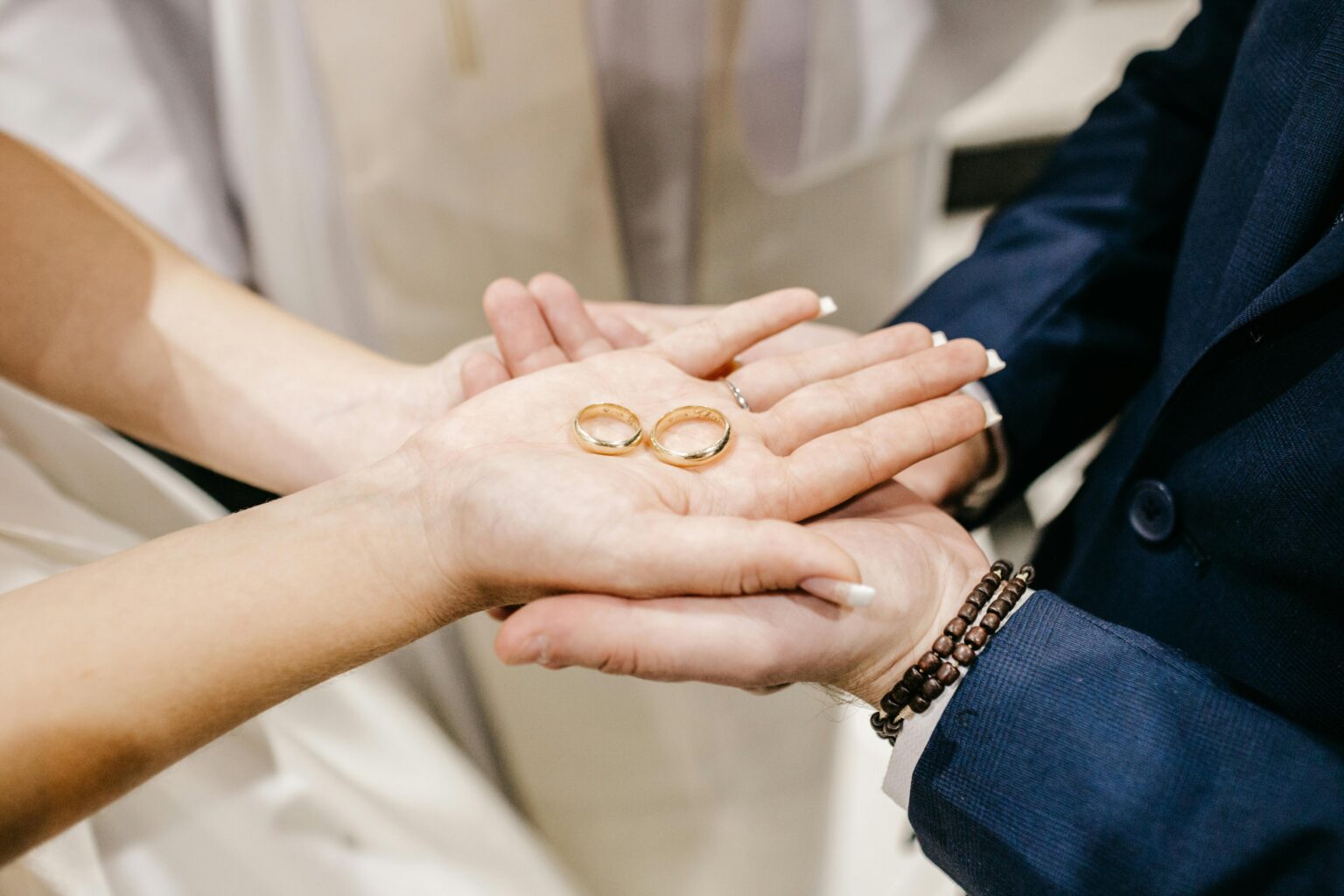
For generations, marriage followed a familiar rhythm. People met in their early twenties, built relationships through shared community or social circles, and eventually stepped into marriage as the next expected chapter of adulthood. That timeline, once considered almost universal, has gradually begun to change. By 2026, the average age at which people marry in many parts of the world has shifted noticeably upward, reflecting deeper transformations in education, careers, social expectations, and personal identity.
In many countries, individuals now wait several years longer before marrying than previous generations did. While the numbers themselves tell part of the story, the more interesting question lies beneath them: why are people choosing marriage later, and what does this shift reveal about how modern relationships are evolving? Understanding the rising average marriage age requires looking beyond statistics and exploring the cultural, psychological, and economic currents shaping modern adulthood.
How the Average Marriage Age Has Evolved
The Global Pattern of Later Marriage
Across many developed countries, the age at first marriage has steadily increased. In the United States, for example, people typically marry several years later than they did in the mid-twentieth century. Similar patterns appear across Europe, parts of Asia, and other regions experiencing rapid social change.


This trend doesn’t unfold identically everywhere, actually cultural traditions, economic conditions, and social expectations still influence when marriage tends to occur. In some societies, early marriage remains common due to strong family structures or religious traditions. In others, urbanization and career-focused lifestyles encourage individuals to delay long-term commitments.
Despite these differences, a general global pattern has emerged: adulthood now contains a longer period between youth and marriage, a phase during which people explore education, work, and personal identity more independently.
Education and Career Paths Extending Early Adulthood
One of the most visible forces shaping marriage timing is education. Compared with earlier generations, young adults today often spend more years pursuing university degrees, professional training, or specialized career paths. These pursuits naturally extend the period of personal development before individuals feel ready to build a household with a partner.
Career ambitions also play a role. Many people want to establish financial stability before entering marriage, particularly in urban environments where living costs are high. When housing, healthcare, and childcare expenses become major considerations, waiting until careers feel secure may seem like a practical decision rather than a romantic delay. In this sense, later marriage reflects the realities of modern economic life as much as it reflects changing attitudes toward relationships.
Cultural Changes Reshaping Relationship Expectations
Individual Identity Before Partnership
Modern culture places strong emphasis on personal growth and self-discovery. Young adults today are often encouraged to explore who they’re before defining themselves within long-term commitments like travel, career experimentation, and personal development have become common parts of early adulthood.

For many people, this period of exploration feels valuable. Rather than entering marriage while still forming their sense of identity, individuals may prefer to understand their own values, ambitions, and emotional needs first. When marriage eventually occurs, it often emerges from a place of greater self-awareness, this reflects a desire to approach commitment with intention rather than social pressure.
Changing Gender Roles and Relationship Dynamics
Marriage timelines have also been influenced by evolving gender roles. In previous generations, social expectations often encouraged early marriage, particularly for women whose economic opportunities were more limited. As educational and professional opportunities expanded, the pressure to marry early gradually softened.
Today, many couples approach relationships as partnerships between two independent individuals rather than predefined roles. Both partners may focus on careers, financial independence, or personal growth before considering marriage. This mutual independence can naturally lead to later timelines for long-term commitment.
The Emotional Meaning of Waiting Longer
Delayed Marriage and Relationship Readiness
Waiting longer to marry sometimes allows individuals to approach relationships with greater maturity and emotional clarity. By their late twenties or early thirties, many people have gained life experiences that shape how they communicate, resolve conflict, and define partnership. This additional time can influence how couples choose each other. Rather than entering marriage primarily because of social timing, individuals may focus more carefully on compatibility, shared values, and long-term vision.

Of course, maturity doesn’t guarantee perfect relationships. However, the shift toward later marriage often reflects a deeper emphasis on emotional readiness rather than simple age milestones.
The Pressure of the “Right Time”
At the same time, conversations about average marriage age sometimes create subtle social pressure. When statistics suggest that people are marrying later, individuals who marry young may feel unusual, while those who remain single into their thirties may worry that they’re falling behind.
In reality, marriage timelines vary widely across cultures, communities, and personal circumstances. Understanding this distinction can help people approach these statistics with curiosity rather than comparison.
Global Differences in Marriage Timing
Cultural Traditions and Family Structures
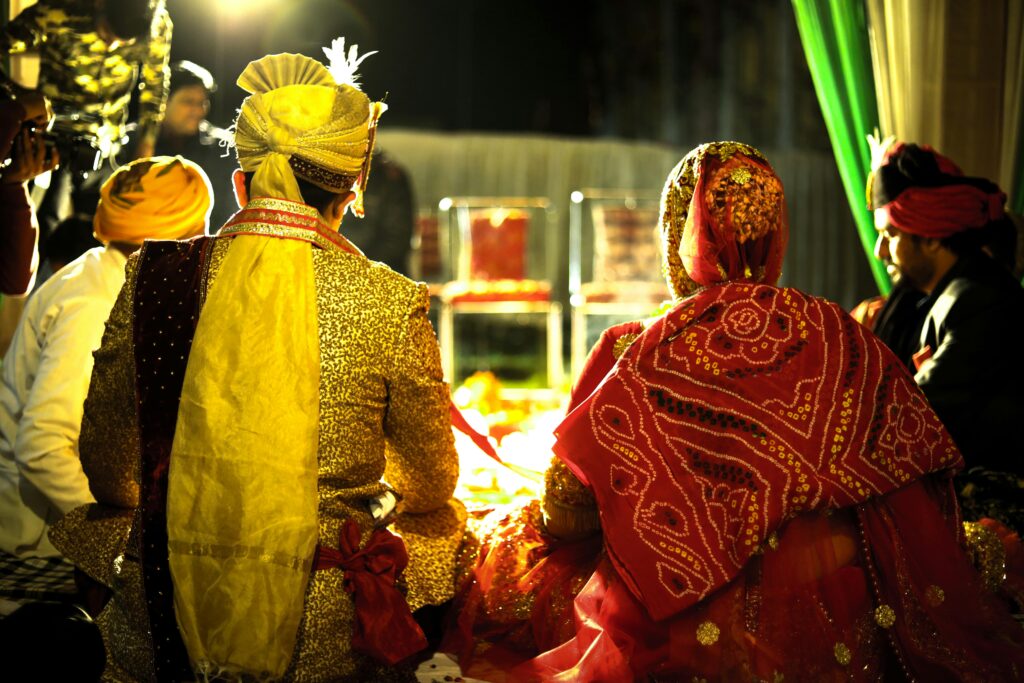
Although the overall global trend points toward later marriage, cultural traditions still shape how relationships develop in different regions. In societies where extended family networks remain central to social life, marriage may occur earlier and involve stronger family participation.
In contrast, highly urbanized societies often encourage individual independence before marriage. Young adults may move away from their hometowns, build careers in large cities, and meet partners later in life through professional or social networks. These differences highlight how marriage remains deeply connected to cultural values and community structures.
Economic Conditions and Opportunity
Economic conditions also influence marriage patterns. In countries experiencing rapid economic growth, young adults may prioritize education and career development before forming families.
Meanwhile, in regions where economic stability arrives later in life, individuals may delay marriage until they feel capable of supporting a household. Housing affordability, employment opportunities, and social policies surrounding childcare or parental leave can all shape when couples feel prepared to marry. In this sense, marriage age often reflects broader social conditions rather than purely personal choice.
Modern Dating and the Path to Commitment
Technology and Expanding Relationship Choices
Digital technology has transformed how people meet and form relationships. Dating apps and social media allow individuals to connect with potential partners beyond their immediate social circles. While this creates new opportunities, it can also extend the process of finding long-term compatibility.
With access to larger networks of potential partners, some individuals take more time exploring relationships before deciding on marriage. The process of commitment becomes less about limited opportunity and more about thoughtful selection.

Reflection and Personal Timing
Some people approach the timing of marriage through personal reflection rather than demographic trends. They consider questions about emotional readiness, long-term goals, and compatibility with potential partners. Tools of introspection: journaling, counseling, or symbolic frameworks like astrology or tarot sometimes help individuals think more deeply about life transitions. For many individuals, the decision to marry later emerges from this process of self-understanding.
Conclusion
The rising average marriage age in 2026 reflects more than a simple demographic statistic. It reveals how modern life has expanded the years of early adulthood, allowing individuals more time to explore education, careers, personal identity, and relationships before committing to marriage.
Economic realities, shifting cultural expectations, and evolving ideas about partnership all contribute to this gradual change. While the numbers suggest that people are marrying later than previous generations, they also suggest something deeper: individuals are approaching commitment with greater intention and personal awareness.
Ultimately, marriage timelines remain deeply personal. For some couples, love arrives early and grows steadily into lifelong partnership. For others, the journey takes longer, shaped by experiences that prepare them for commitment at a different moment.


