




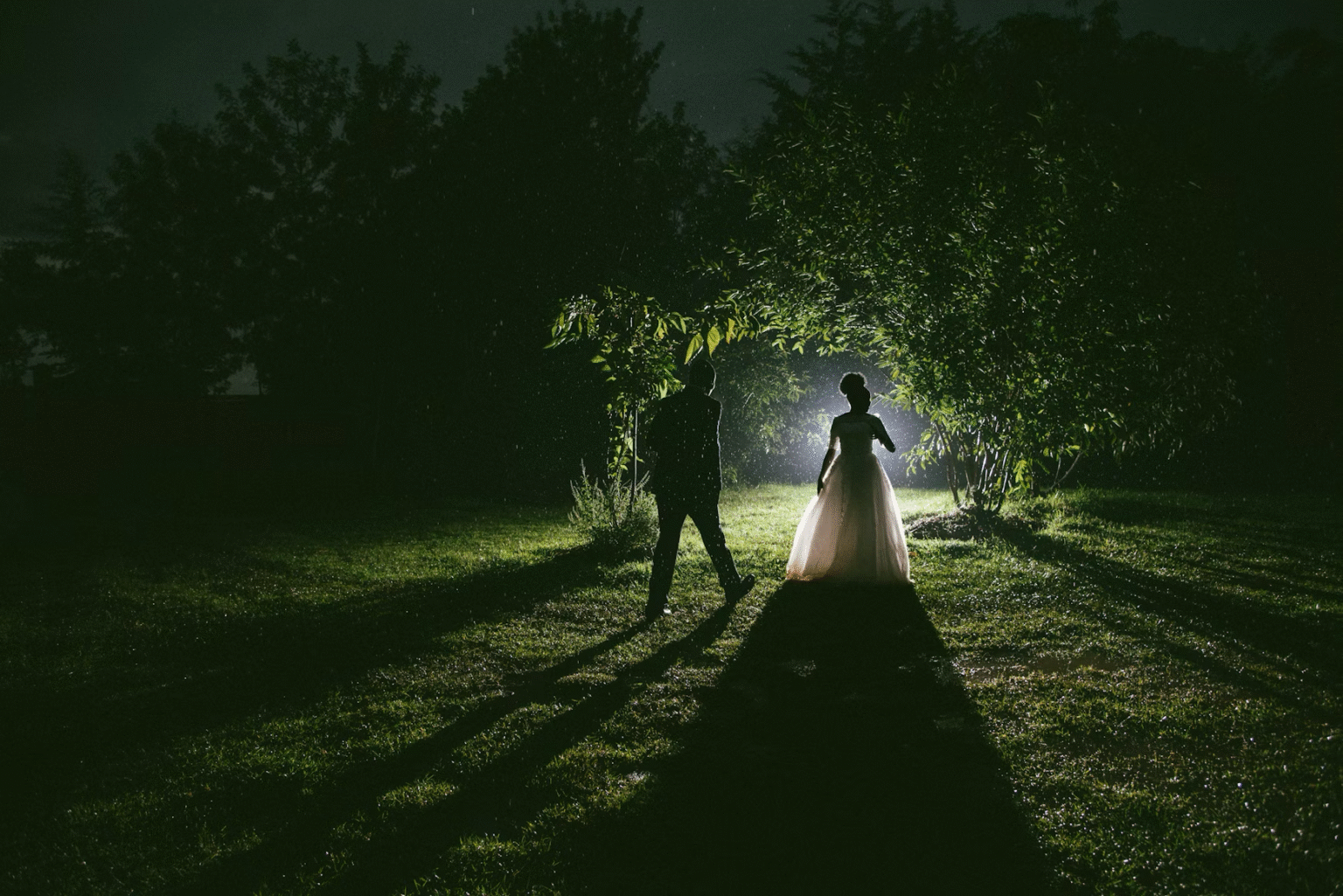
Why the way couples prepare often matters more than how the wedding day goes.
Wedding preparation is often described as a checklist problem, one made up of dates to book, vendors to confirm, budgets to track, and schedules to finalize. A lot of wedding advice revolves around keeping things organized and under control, so the day itself doesn’t unravel.
That kind of preparation does help. It can steady a couple as the practical demands begin to stack up and attention gets pulled in every direction. But beneath the timelines and spreadsheets, something else is happening.
Wedding preparation is also an emotional threshold. It’s one of the first times a relationship is asked to turn intention into structure, private love into public reality, and individual preference into shared decision-making. The way couples prepare often reveals more than the event ever will.
Preparation as a Mirror, Not a Test
Many couples enter wedding planning believing they’re preparing for a day. In reality, they’re rehearsing how they’ll navigate shared pressure.
That pressure often shows up in ordinary moments, such as late-night vendor emails, shared spreadsheets reopened for the fifth time, and conversations that start practical and end up strangely personal.
Who tracks the details, carries the mental load, defers, decides, absorbs tension quietly, or speaks up when something doesn’t feel right. None of this is inherently good or bad. But it’s information.
Wedding preparation often draws attention to patterns that normally stay beneath the surface. The exhaustion of endless decisions. The quiet ways emotional labor becomes uneven. Differences in how much uncertainty each person can hold, and in what “enough” looks like when the pressure is on.
The calm some couples bring into the wedding day is often shaped long before it arrives, in the quiet work of learning how to adjust without losing each other.

The Myth of Total Control
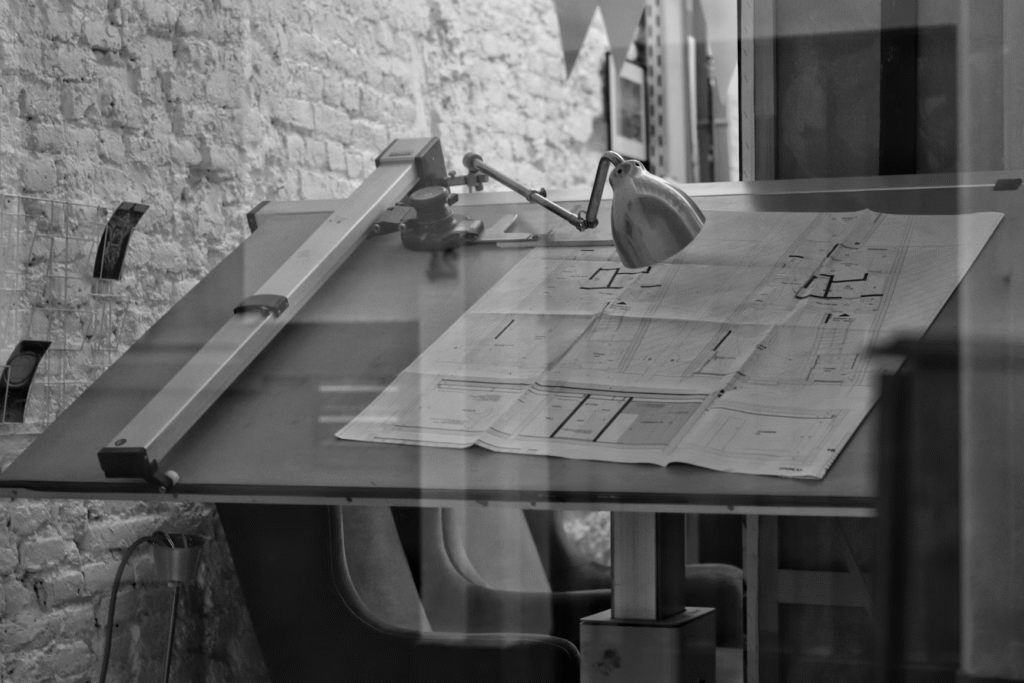
A lot of wedding advice carries an unspoken promise: If you prepare thoroughly enough, the day will feel calm. But no amount of planning eliminates uncertainty entirely. It only shifts where it shows up.
Preparation can create confidence, but it can also become a way of managing anxiety. When every detail begins to carry emotional weight, staying in control can start to feel like the only way to feel steady.
This often becomes visible around last-minute decisions that feel heavier than they should, such as choices about timing, guest lists, or details that suddenly seem to stand in for reassurance itself. This may explain why careful planning doesn’t always bring the relief couples expect. The strain often has less to do with logistics and more to do with the shift they’re moving through.
Marriage marks a psychological crossing, as the future stops being abstract and begins asking to be lived inside, revealing that preparation can organize what’s external without settling the internal shift on its own.
Planning Together Exposes How You Work as a Unit
Wedding preparation reveals how couples collaborate. Some move easily into shared systems: dividing tasks, checking in regularly, adjusting expectations as needed. Others discover mismatches in pace or priority that hadn’t mattered as much before.
One partner may find comfort in lists and timelines. The other may feel overwhelmed by structure and avoidant around decisions. Neither approach is wrong. But when those differences aren’t named, they can quietly turn into resentment or imbalance.
Preparation asks for more than the ability to plan an event together. It brings attention to how a couple responds under pressure, and whether that pressure can be noticed without turning into blame.
When “Being Organized” Becomes Emotional Labor
Much of the work that unfolds during wedding preparation doesn’t live in spreadsheets or timelines. It shows up in quieter ways: managing family expectations, absorbing disappointment when preferences don’t align, and carrying the unspoken responsibility of keeping everything from tipping into conflict.
In many couples, this regulating role settles unevenly. This work tends to be carried by the partner who is attuned to shifts in mood and willing to intervene before unease takes shape. Many of these dynamics are already present, becoming more visible as preparation unfolds. Then, familiar patterns begin to carry more weight.
Couples who move through this period with more ease tend to be attentive to imbalance as it begins to form, willing to name it while it’s still flexible rather than after it has settled into something rigid.
Preparation as a Practice, Not a Performance
There’s a cultural narrative that wedding preparation should lead to a flawless day.
But many couples later realize the real value was elsewhere. It took shape in quieter practices: deciding together without perfect agreement, letting go of ideas once they stopped serving them, tolerating what remained unfinished, and staying connected when stress peaked.
Those practices mattered far more than the ceremony ever could. And in that time, couples rehearse how they’ll handle uncertainty long after the decorations are packed away.
What Endures Beyond the Event
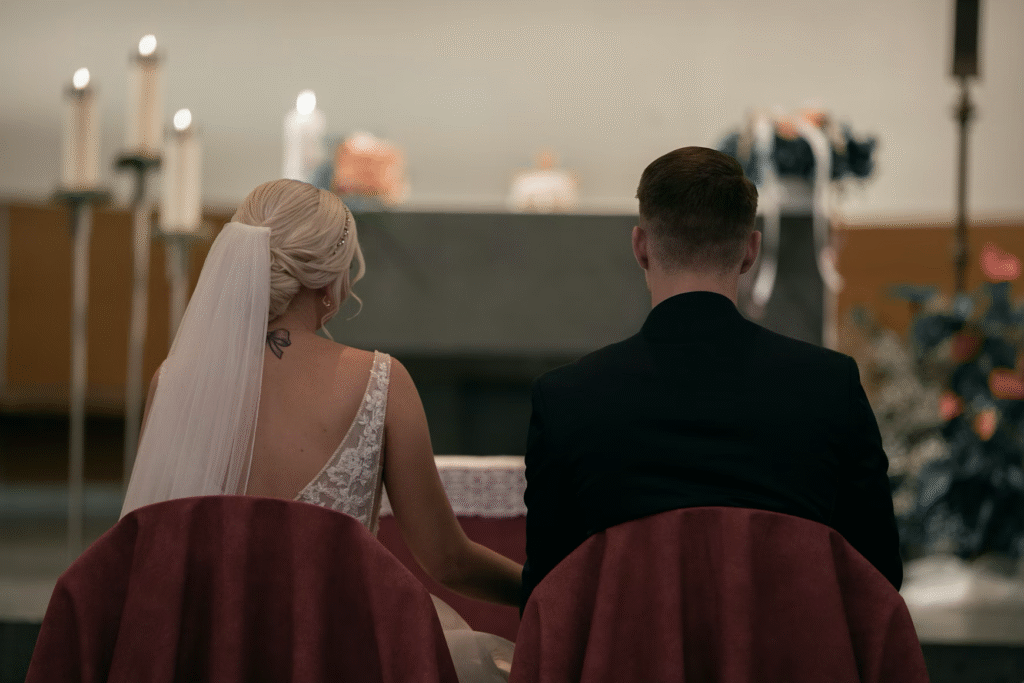
With distance, the precise details matter less. The memory that endures is the sense of having made your way to that moment together.
Preparation that supports a marriage pays attention to what the relationship can actually hold. How it adapts when expectations shift, recognizes uneven weight, and stays grounded as plans begin to unravel.
Wedding preparation shapes more than a single day. It begins forming a shared way of responding when life doesn’t follow the plan, a way that continues long after the altar, even as it changes form.


