





When we think of family, we often picture not just shared memories and holidays, but the deep support and connection that carries us through life’s ups and downs.
Traditionally, a family is often defined as a unit comprising parents and children. However, in a world that is increasingly diverse in terms of family structures, we must reconsider what truly constitutes a family.
For those who choose not to have children, this question becomes even more poignant. Can a family exist without children? Absolutely, and it’s a resounding, complex, and empowering yes.
The Changing Definition of Family
In recent years, the idea of family has expanded beyond traditional norms. The traditional family structure, including mother, father, and children, still holds sway, but it’s no longer the only accepted form.
More and more, people are opting to live childfree, either by choice or circumstance, and are creating meaningful and fulfilling family structures without children. For many of these individuals, family is about connection, love, and shared experiences, rather than biological ties.
As the childfree choice becomes more accepted, it’s reshaping societal norms about family and fulfillment. The growing movement challenges the traditional narrative that parenthood is the ultimate path to happiness, opening up new conversations around personal choices and societal expectations.
As society becomes more accepting of diverse life choices, the idea that family is only defined by parenthood is being questioned. It’s now widely understood that family can be defined by many things: shared love, common values, mutual respect, and a commitment to one another’s well-being.
This shift in perspective allows those without children to redefine what a family can be. For many, being childfree doesn’t equate to loneliness or a lack of purpose. Rather, it opens up opportunities for new forms of family.
The Role of Aunts and Uncles: A New Definition of Parenthood

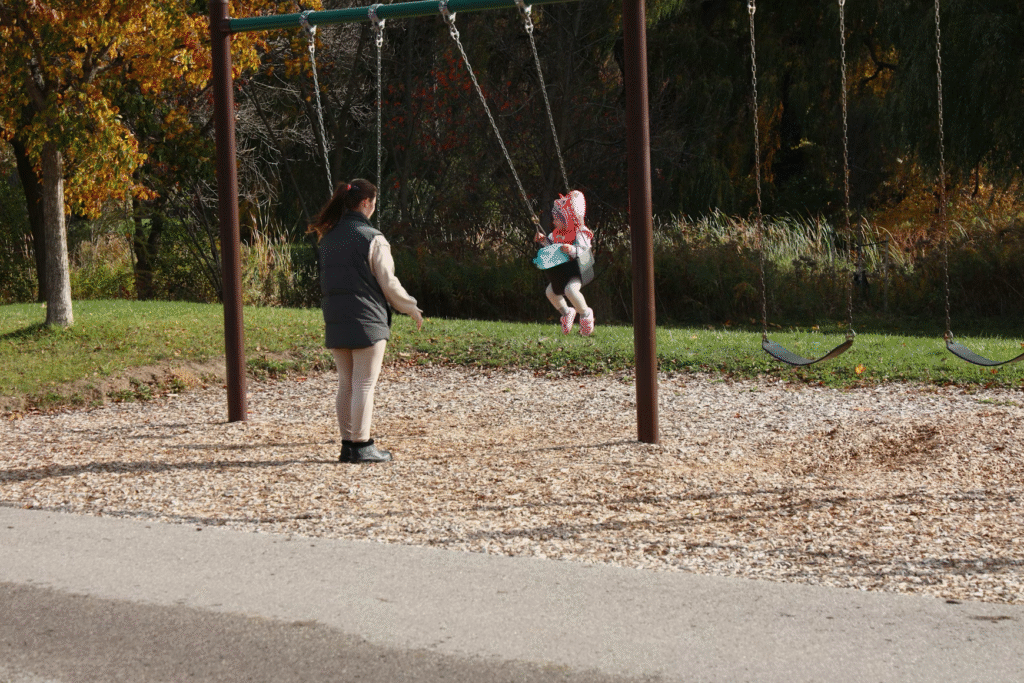
One such example is the role of aunts and uncles. Traditionally, these family members have been seen as secondary to the nuclear family.
However, as more women and men choose not to have children of their own, the importance of being an aunt or an uncle is coming into sharper focus. Aunthood, especially, is a role that many women without children are beginning to embrace with increasing significance.
Melanie Notkin, the creator of the term Pank (Professional Aunt No Kids), argues that being an aunt is a rewarding, fulfilling role that can be celebrated just as much as motherhood. As Notkin points out, professional women without children are often portrayed negatively in the media.
However, the role of a “Pank” redefines this image, presenting childless women as individuals who have the time, energy, and financial resources to be deeply involved in the lives of their nieces and nephews. Notkin’s work underscores the significance of non-parental caregiving roles and how these can be central to family life.
In this light, being an aunt can offer a deep sense of purpose, providing an outlet for love, care, and nurturing without the responsibilities of parenthood.
The Freedom of a Childfree Life: Exploring the Opportunities
Living without children presents its own set of freedoms that often go unrecognized by society. For those who choose a childfree life, there’s more room for personal growth, career opportunities, and the ability to make decisions based on individual desires rather than familial obligations.
As Tiffany J. Marie, an advocate for the childfree lifestyle, emphasizes, being childfree allows individuals to focus on their passions, whether they’re related to career development, creative pursuits, or travel. The flexibility of a childfree life enables people to invest time in relationships, volunteer work, or causes they care about without the constraints that often come with raising children.
Moreover, those without children often enjoy a certain degree of financial freedom. Without the high costs associated with raising children, they have more discretionary income to invest in their interests, experiences, and personal well-being. This freedom fosters a sense of independence that shapes a fulfilling, enriched life.
Challenging the Stigma: Building a Community of Support
Despite the growing acceptance of the childfree choice, many still face stigma. The most common misconception is that a life without children is one that lacks fulfillment or is somehow incomplete. This misunderstanding is compounded by societal expectations and pressures, particularly for women, who are often expected to embrace motherhood as a rite of passage.
However, these societal pressures are increasingly being challenged. Online communities and social media platforms provide spaces where childfree individuals can connect, share their experiences, and support one another. These communities are crucial in normalizing the childfree choice and helping people feel less isolated or misunderstood.

Moreover, couples who choose not to have children can build their own unique families by cultivating strong friendships, participating in mentorship roles, and forming close bonds with people who share similar values. Family doesn’t have to be defined by biology; instead, it can be shaped by connection, commitment, and care.
Embracing the Childfree Journey
Ultimately, being childfree is about embracing the idea that family can take many different forms. The decision to forgo parenthood is personal and multifaceted, but it doesn’t mean a life without meaning or purpose. For those who choose the childfree path, it’s an opportunity to live a life filled with freedom, fulfillment, and connection.
Whether through the role of an aunt, a mentor, a friend, or a partner, the childfree lifestyle allows individuals to create their own definition of family, which fits their desires, aspirations, and values.
In the end, family is about the connections we form, the love we give, and the legacies we leave behind. The family we create, with or without children, can be just as rich, fulfilling, and meaningful as any other.


