


The marriage plateau is a classic symptom of what psychologists call the midlife rut. While it feels like a personal failure, it’s actually a predictable stage in human growth. Within the framework of developmental theories, this period is defined by the tension between generativity vs stagnation. It’s the make or break moment where a couple either decides to grow outward together or retracts into a shell of individual isolation.
What’s Generativity? Erikson’s Secret to a Lasting Bond
To understand how to fix the rut, we first need a clear generativity definition. According to the major Erikson findings on adult development, generativity is the concern in establishing and guiding the next generation. In the context of a 2026 marriage, this is legacy building, the act of creating something together that outlasts your immediate individual needs.
When we look at the generativity definition through a modern lens, it’s the shift from “What am I getting out of this relationship?” to “What are we contributing to the world?” When a couple stops generating new ideas, memories, or support for others, they fall into stagnation. This is the feeling of being stuck in a loop, where the relationship is like a cage.
Without generativity, the bond becomes brittle, making both partners more susceptible to an identity crisis as they wonder if this autopilot life is all that’s left. Generativity is the fuel for long-term intimacy, it’s the transition from self-absorption to collective creation.

5 Signs Your Marriage is Suffering from Stagnation
The slide into stagnation is a slow accumulation of silence and routine. Here are the red flags:
1. The Roommate Syndrome
This is perhaps the most deceptive sign because the relationship looks perfectly functional. You’re a high-performing logistics team, managing mortgages, school runs, and social calendars with professional efficiency.
However, this perfection in doing masks a complete bankruptcy in being. Emotional and intellectual intimacy evaporates, replaced by a polite, transactional silence. You only know that they remembered to pick up the groceries. This is a state of psychological detachment where the relationship serves a purpose but no longer has a soul.
2. An Aversion to Change
This manifests as a rigid, almost fearful commitment to the status quo. In a generative marriage, new ideas act as oxygen, in a stagnated one, they’re seen as threats. Any suggestion to break the routine whether it’s a weekend trip to an unfamiliar city or a proposal to change a long-standing household habit is met with a weary “why bother?” or immediate defensive pushback. This resistance is the ego’s way of maintaining a controlled, predictable environment. By rejecting change, you’re actively shutting down the pathways through which a relationship regenerates its energy.

3. The Individual Silo
This occurs when both partners have completely stopped integrating those successes into the marriage. While individual autonomy is healthy, this level of separation is a sign that you’ve stopped viewing the relationship as a shared venture. You’re moving forward alone, leaving the marriage itself to wither in a state of stagnation.
4. Nostalgia Overdose
This is a clear indicator that the generative engine has died. When a couple spends the majority of their meaningful conversation time looking backward, revisiting the glory days of their early twenties or the excitement of their wedding, it’s often because the present feels empty and the future feels daunting.
While shared history is a foundation, using it as a permanent residence is a red flag. It suggests that you no longer believe you’re capable of creating new best days together. It’s a form of emotional mourning for a vibrancy that you’ve given up on recreating in the here and now.
5. Resentment of Growth
This is the most toxic sign of a marriage in a rut. This happens when one partner’s attempt at self-improvement, such as starting a new hobby, pursuing a promotion, or even seeking therapy is met with cynicism, mockery, or irritation by the other.
Instead of being an inspiration, their growth feels like a spotlight on your own stagnation. The ego reacts defensively, fearing that if the other person evolves, they’ll eventually outgrow the relationship. This creates a crabs in a bucket dynamic where both partners stay stuck simply because it feels safer than facing the discomfort of change.
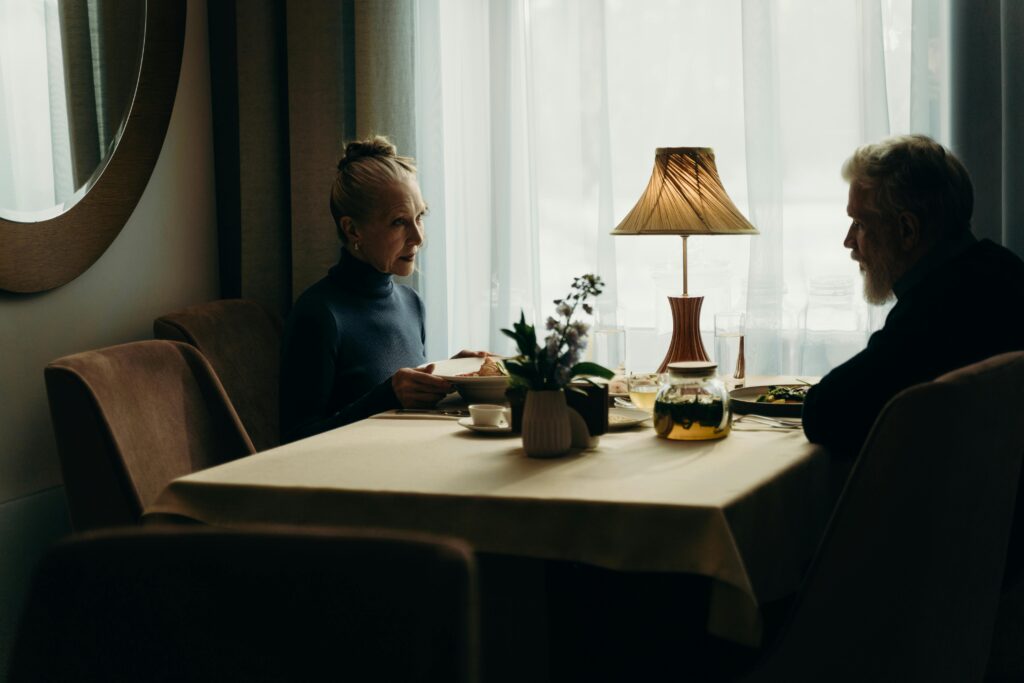
Generativity vs Stagnation Examples in Modern Relationships
Seeing the theory in action helps clarify the path forward. In 2026, the contrast between these two states is visible in how couples manage their free time.
Example 1: The Generative Couple
This couple looks for ways to pour their combined energy into something external. They might start a small community garden, mentor a younger couple at their workplace, or commit to learning a complex new skill like sailing or a foreign language together. Their focus is on generating new experiences and value, which keeps their internal bond fresh.
Example 2: The Stagnated Couple
This couple has hit a wall. They spend their evenings in separate rooms on separate screens. When one partner suggests a weekend getaway, the other cites the hassle and cost. They have stopped trying to influence the world or each other. This lack of generativity leads to a sense of bitterness, as they feel their best years are behind them and there’s nothing new to build.

Steps to Shift from Stagnated to Generative
Moving the needle from a rut to a state of growth requires intentionality. According to major Erikson research, this transition is the most significant task of adulthood.
Re-Evaluating Identity
Many marriage ruts are actually an individual identity crisis masquerading as relationship boredom. You must understand how your own ego has evolved. To do this effectively, you might need to revisit the basics of what the ego means and how a big ego can prevent you from being vulnerable enough to reconnect.
Shared Legacy
To spark generativity, you need a 5 year north star, this is a contribution goal. Could you both volunteer for a cause you care about? Could you commit to hosting a monthly dinner that brings different friends together? Creating a shared legacy pulls your focus away from petty domestic frictions and places it on a meaningful, joint mission.
Daily Micro Generativity
Generativity can be found in the small stuff. It’s about nurturing your partner’s growth. If they want to start a side hustle, be their first consultant. If they’re struggling with a fitness goal, be their partner. This daily act of guiding each other keeps the stagnation at bay.
Key Takeaway
Overcoming the midlife rut is fulfilling your psychological potential so you can age with peace instead of regret.
Ready to dive deeper into the psychology of the self? Understanding your developmental stage is easier when you know the mechanics of your own mind. Read our full guide on What Does Ego Mean? The 2026 Guide to Managing a Big Ego in Your Relationship to see how your personality structure influences your ability to move from stagnation to growth.
Related Articles
Ego Meaning and Examples: 7 Red Flags Your Partner’s Pride is Destroying Your Love
