





From navigating intense social media dynamics to processing heavy academic anxiety, students are walking into classrooms carrying an incredible amount of emotional weight. Because of this, the modern educational system is leaning heavier than ever on specialized mental health support, putting the school psychologist at the very center of campus safety and student well-being.
Learning how to become a school psychologist is one of the most rewarding moves you can make. The best part?
Unlike clinical or forensic psychology tracks that lock you into a demanding 8 to 12 year academic commitment, the school psychology route offers a major shortcut. You can enter independent professional practice without a full doctoral degree. Let’s break down the actual job realities, the unique degree shortcuts, and the updated 2026 financial numbers for this booming field.
What Does a School Psychologist Do? Realities of the Role
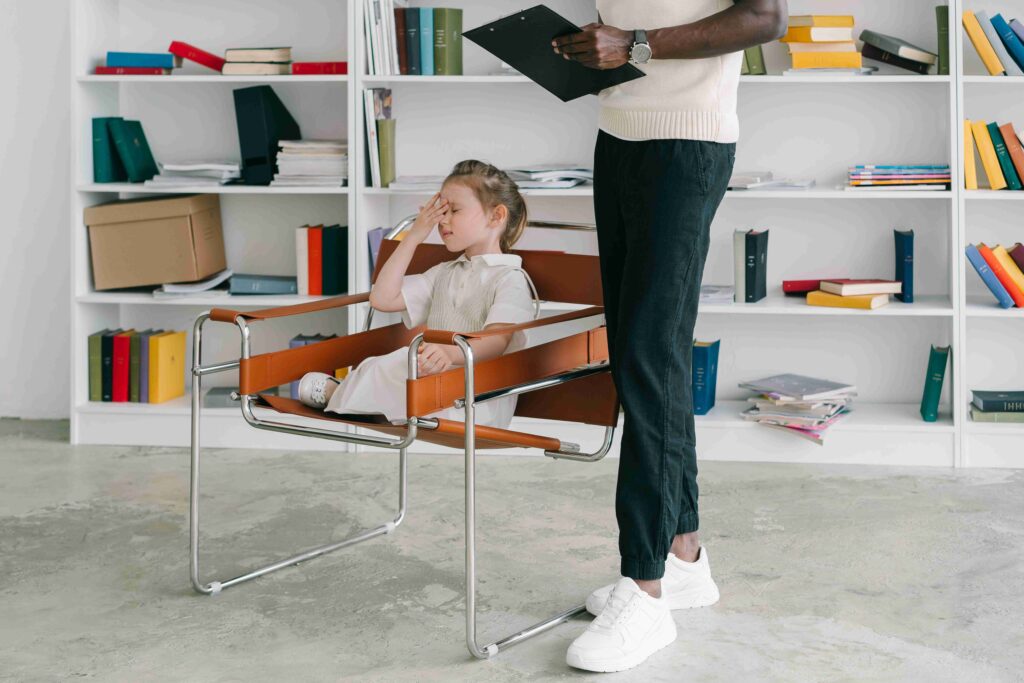
A common mistake students make is assuming this job is identical to standard counseling. When you look at “what does a school psychologist do” on a day to day basis, you’ll find that their work is highly clinical, systemic, and data-driven. They act as the core bridge between students, parents, teachers, and administrators to dismantle learning and behavioral barriers.
Your weekly task list inside a school district will generally center around a few major areas:
1. Psychoeducational assessments: Administering cognitive and behavioral tests to diagnose learning disabilities, developmental delays, ADHD, or autism, and using that data to build legally mandated Individualized Education Programs (IEPs).
2. Crisis intervention: Stepping in immediately to handle severe mental health emergencies on campus, such as self-harm risks, school-wide trauma, or behavioral outbursts.
3. Consultation and training: Working directly with teachers and parents to design behavioral management plans for classrooms and home environments.
4. Targeted therapy: Running small-group counseling sessions focused on developing social skills, emotional regulation, or coping mechanisms for vulnerable students.

School Psychologist Salary in 2026: Financial Outlook
Because school districts across the country are facing a massive shortage of qualified mental health professionals, compensation packages have grown significantly. When looking into how much do school psychologists make, the financial reality depends heavily on the specific educational setting you choose and whether you hold an advanced specialist or doctoral degree.
The overall job market is incredibly stable, and public school systems offer robust health, retirement, and pension benefits that outmatch many private clinic roles. Here’s how the average 2026 school psychologist salary breaks down across different work environments:
2026 Earning Potential by Educational Setting
| Educational Setting | Average Annual Salary | Key Driver |
| Public School Districts (K-12) | $80,000 – $110,000+ | Structured salary schedules, union protections, and strong state funding bonuses. High-paying states like CA and NY regularly clear $110K+. |
| Private & Charter Schools | $75,000 – $100,000 | Greater curriculum flexibility but typically lower base salaries compared to well-funded public districts. |
| Universities & Research Hubs | $110,000+ | Focused on academic research, training, and institutional policy. This track typically requires a full Ph.D. or Psy.D. degree. |
*Salary ranges are verified against data from the U.S. Bureau of Labor Statistics (BLS) and current 2026 market placements. Top-earning states consistently include California, New York, Washington, and Colorado.
Skipping years of unpaid doctoral research to hit the upper salary tiers of K-12 school districts faster makes this path an incredibly lucrative and practical option for anyone looking to optimize their career timeline.


How to Become a School Psychologist
1. Earn a Bachelor’s Degree
Your undergraduate years should focus on building a clean foundational background. Most students graduate with a bachelor’s degree in psychology or education. If you’re coming from an unrelated field, you can easily pivot as long as you log prerequisite credits in statistics, child development, and research methods.
2. Complete a Specialist-Level Graduate Degree (Ed.S.)
This is the ultimate game-changer for this specific field. You don’t need a Ph.D. or a Psy.D. to practice. Instead, you can enroll in a specialist-level program, most commonly known as an Specialist in School Psychology or an Educational Specialist (Ed.S.) degree. This program takes about 3 years to complete and focuses entirely on applied clinical work inside schools, school psychology salary regulations, and diagnostic testing.
3. Complete a School-Based Internship
During the final year of your Ed.S. program, you’ll leave the college classroom to complete a mandatory school-based internship. This requires logging at least 1,200 hours under the direct supervision of an experienced mentor, ensuring you get real, hands-on experience handling real-world student cases and IEP meetings before you’re on your own.
4. Pass the Praxis Exam & Get State Licensure
The final step to securing your independence is passing the national Praxis exam in school psychology. Achieving a passing score allows you to apply for state credentials and earns you the title of Nationally Certified School Psychologist (NCSP). Holding the NCSP credential is gold because it makes moving your license across different state lines incredibly easy if you decide to relocate.

School Psychologist vs. School Counselor: Knowing the Difference
This is a massive point of confusion for anyone looking at educational careers, and most online resources do a terrible job of explaining the boundary. It helps to look at this through the lens of a traditional psychologist vs therapist dynamic.
1. A school counselor functions similarly to a broad therapist or academic advisor. They handle the entire student population on a general scale. Their day is consumed by setting class schedules, coordinating college applications, organizing standardized testing, and providing short-term counseling for everyday social hurdles.
2. A school psychologist focuses heavily on the clinical and diagnostic side of the building; they deal directly with the small percentage of students facing intense academic, developmental, or emotional crises. They possess full diagnostic authority to run complex psychological testing and establish specialized behavior interventions that counselors aren’t trained or legally cleared to perform.

FAQs
Can you be a school psychologist without a Ph.D.?
Absolutely. In almost every state, an Ed.S. (Educational Specialist) degree or a specialized master’s degree with a school psychology concentration is the standard requirement for institutional practice. You only need a Ph.D. or Psy.D. if you plan to conduct academic research or run an outside private practice.
Is school psychology a stressful career?
It can be. While you get to enjoy excellent perks like summer breaks and predictable school hours, the caseloads can get heavy. You’ll deal with a significant amount of text-heavy legal paperwork for special education compliance and must have the mental resilience to handle high-stress student crises.
What state pays the highest salary for school psychologists?
States with robust public education budgets and high demand consistently lead the market. California, New York, and Washington state offer some of the highest compensation rates in the country, often pushing well past the $100,000 mark for experienced specialists.
Conclusion
Choosing to become a school psychologist means positioning yourself as a vital lifesaver for the younger generation. It’s a field that lets you avoid the massive timeline of a traditional doctoral track while still granting you high diagnostic authority, an excellent financial outlook, and a predictable schedule. If you have the empathy to connect with struggling kids and the analytical mind to navigate complex educational data, this career path is an incredible choice.
Want to see the complete, step by step roadmap to get your license, prepare for the EPPP, and check state-specific rules? Read our ultimate guide on How to Become a Psychologist in 2026: Licensing Guide to plan your entire career path from start to finish.


