






Have you ever felt like the universe was personally conspiring against you because of a missed train or a spilled coffee? While these moments feel like setbacks, the burnt toast theory suggests they’re actually invisible shields. This viral philosophy moves beyond simple optimism, tapping into the profound idea of manifestation and protection. By learning to reframe minor inconveniences, you’re engaging in a sophisticated form of anxiety management that aligns your energy with the belief that you’re always being steered away from unseen chaos and toward your highest good.
In this ultimate guide, we’ll dive deep into the meaning of burnt toast theory, the psychology of why it works, and how you can use it to transform your mental well-being.
What Exactly is the Burnt Toast Theory?
At its heart, the burnt toast theory is a perspective-shifting metaphor for life’s unexpected hurdles.
The Origin: From TikTok to Global Phenomenon
The TikTok burnt toast theory gained massive traction as creators began sharing stories of how a minor mishap, like forgetting their keys or spilling coffee saved them from a car accident or led them to meet a future partner. It resonated instantly with a generation looking for better ways of coping with daily stress in an increasingly chaotic world.

The Core Philosophy
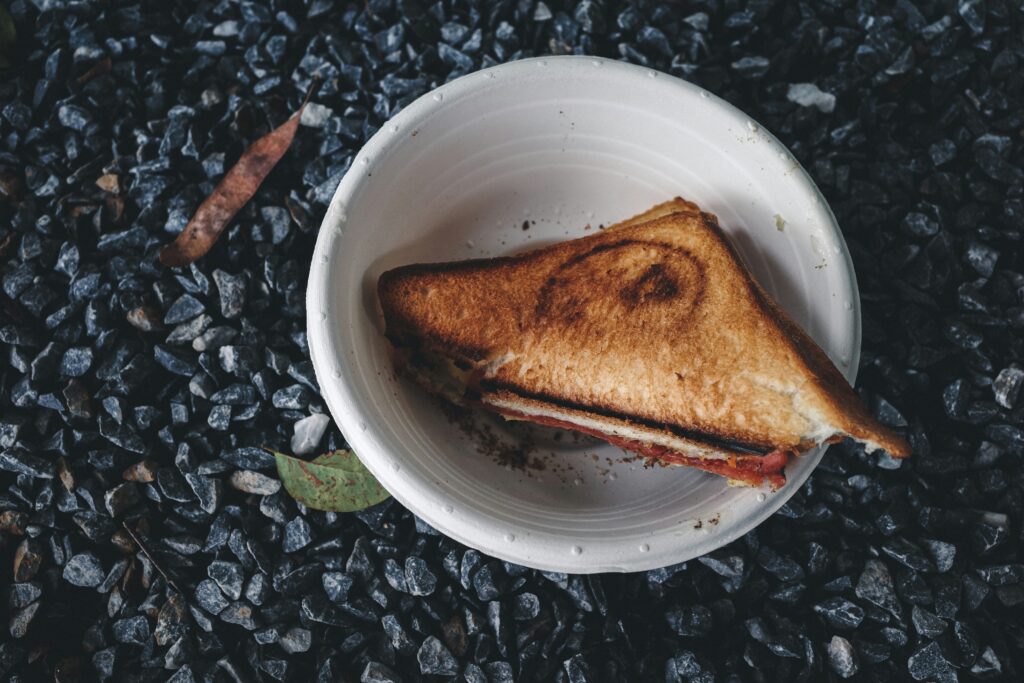
The core philosophy is simple: reframe minor inconveniences as divine interventions or universal protection. If you burn your toast, it takes you five extra minutes to leave the house. In those five minutes, you might have avoided a multi-car pileup on the highway. Or perhaps, by being late to the coffee shop, you stand in line behind someone who becomes a pivotal business contact. It’s the belief that the universe is constantly calibrating your path for your own safety and success.
The Psychology Behind the Toast: Why Our Brains Need This
While it sounds mystical, there is significant scientific weight behind why this theory helps with anxiety management.
Cognitive Reframing
The burnt toast theory is a textbook example of positive reframing techniques. Cognitive reframing is a psychological method used to identify and then dispute irrational or maladaptive thoughts. By shifting the narrative from “I’m unlucky” to “I’m being protected,” you move from a victim mindset to an empowered one.
Reducing Cortisol
When we get frustrated, our bodies release cortisol: the stress hormone. By adopting the meaning of burnt toast theory, you interrupt the stress response. Instead of a spike in blood pressure, you experience a moment of acceptance. This immediate shift in perception is a highly effective tool for long-term anxiety management.

Real-Life Examples: When Burnt Toast Saved the Day
1. The Missed Flight (Protection from Crisis)
Imagine the sheer panic of losing your passport minutes before check-in. It feels like a disaster. However, when that traveler later learns the original plane suffered a mechanical failure and forced an emergency landing, the lost passport is a life-saving intervention. This highlights how the universe sometimes uses a small crisis to detour us away from a much larger one.
2. The Spilled Latte (The Gateway to Opportunity)
Ruining your favorite shirt with coffee feels like the peak of a bad day. You’re forced to go back home, change, and break your routine. However, because your schedule shifts by 20 minutes, you end up bumping into an old friend or colleague at a different time. That chance encounter leads to the exact job opportunity you’ve been manifesting. In this case, the spill was a redirection toward a breakthrough.
3. The Traffic Jam (The Shield of Timing)
We often view being stuck in traffic as meaningless wasted time. Yet, being delayed by just 60 seconds can be the difference between safety and catastrophe. Many have shared stories of being held up by a long red light, only to witness a falling tree branch or a heavy piece of debris land exactly where their car would have been.
These moments highlight the intersection of manifestation and protection, suggesting that our lives are woven together in ways we can’t always see in the present moment.

How to Practice the Burnt Toast Theory in Your Daily Life
Learning how to reframe minor inconveniences takes practice. Follow these steps to master this mindset:
Step 1: Pause and Breathe
The moment things go wrong, your instinct is to vent. Stop. Take one deep breath. Acknowledge the frustration without letting it steer the ship.
Step 2: Ask The Golden Question
Ask yourself: “What could the universe be protecting me from right now?” By seeking a hidden reason, you engage the logical part of your brain and dampen the emotional flare-up.
Step 3: Let It Go
Once you’ve accepted that the delay might have a purpose, let it go. Focus on what you can do now rather than the time you lost. This is a core part of effective positive reframing techniques.
Is It Just Toxic Positivity? Addressing the Critics
Critics of the TikTok burnt toast theory often argue that it borders on toxic positivity, the idea that we should be happy even when things are objectively bad.
However, there’s a distinct difference. Toxic positivity demands you ignore your pain. The burnt toast theory simply asks you to accept that you don’t have the full picture. It isn’t about pretending the toast acknowledges that a burnt piece of bread is a small price to pay for peace of mind and potential safety.
Conclusion
The burnt toast theory is being resilient. By choosing to believe that the world is working for you rather than against you, you reclaim your energy and reduce the friction of daily life. The next time you miss your bus, lose your keys, or yes, burn your toast, take a second to smile. You might be exactly where you need to be.
Have you ever had a burnt toast moment that changed your life? Share your story in the comments below!


