




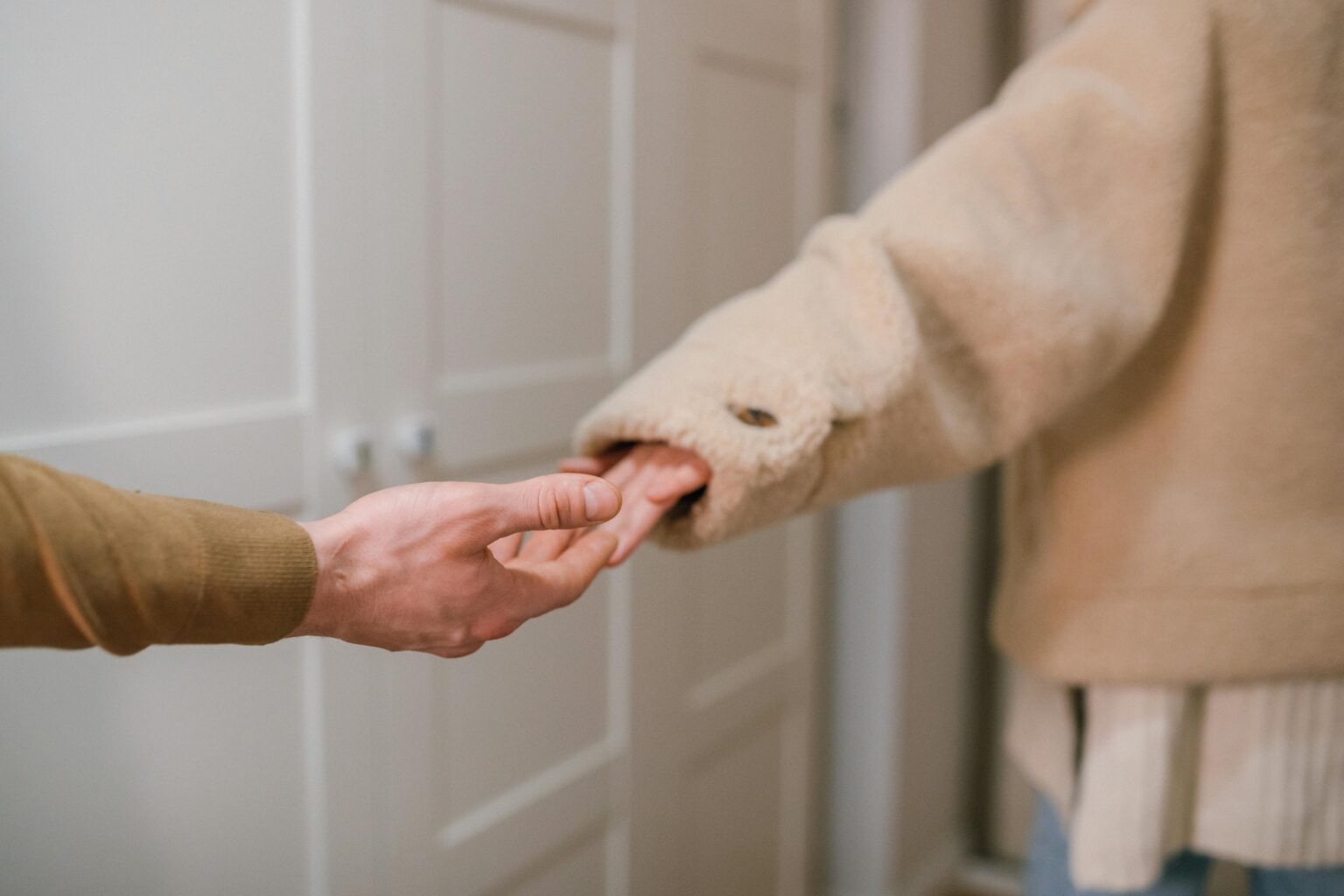
The change arrives in a way that feels clear or dramatic, which is exactly why it becomes so difficult to understand. Everything on the surface can remain the same: the relationship still exists, daily life continues, the commitment is intact, however the emotional atmosphere feels different in ways that are persistent.
The ease that once defined the connection becomes less immediate, the attention that once felt natural starts to require intention, and over time, what was once instinctive begins to feel like something that has quietly shifted out of reach. It’s that in-between space is often where confusion begins. What makes this even more unsettling is how quickly it turns into a deeper question about identity and authenticity, because it’s about whether the person across from you is the same person you chose in the beginning.
What’s actually happening is far more layered, shaped by the nature of long-term commitment, the pressure of shared life, and the gradual exposure of parts of ourselves that don’t always appear in the early stages of love.
The Transition From Attraction To Stability Changes Behavior
Before marriage, relationships are shaped by a certain kind of energy. People show up more intentionally because the connection still feels like something that could be lost.

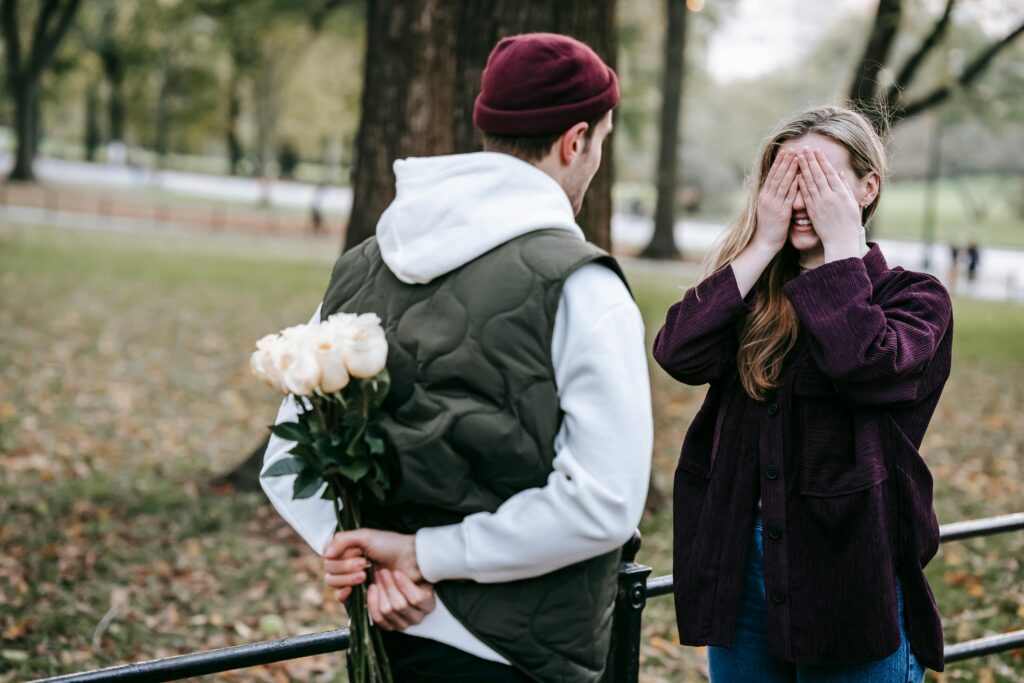
Marriage introduces a different emotional context. The relationship becomes more secure, more defined, less uncertain, and while that stability can feel comforting, it also changes how people behave without them fully realizing it. When something no longer feels at risk, the urgency that once fueled attention and effort tends to soften. It’s a natural shift that comes from feeling settled. The problem is what feels like comfort to one person can feel like neglect to the other.
Roles Begin To Replace Spontaneity
Marriage tends to organize itself around roles over time. One person handles certain responsibilities, the other takes on different ones, and together they create a system that keeps life functioning.
However within that system, the relationship becomes efficient, and interactions revolve around what needs to be done rather than how each person feels. Conversations become practical, sometimes at the expense of emotional connection.
This is attention being redirected. When daily responsibilities take up more space, spontaneity: the small, unplanned ways people once connected fades into the background. And without noticing, both people can begin to feel like they’re living alongside each other rather than actively engaging with one another.

Familiarity Reveals Parts That Were Easier To Hide Before
In the early stages of a relationship, people naturally present themselves in ways that highlight their best qualities because attraction tends to focus attention on what’s working.
Marriage changes the level of exposure. Day by day, there’s less distance, fewer boundaries, and more visibility into each other’s habits, reactions, and emotional patterns. The parts that were once easy to manage or minimize become more noticeable simply because there’s nowhere for them to go. This can create the impression that someone has changed, when in reality, more of who they’re has become visible. The difference is in how much of them is now seen on a daily basis.
Emotional Needs Evolve, However Communication Doesn’t Always Follow
As life changes through work, stress, aging, or personal growth, emotional needs don’t stay static. What someone needs at the beginning of a relationship may not be what they need years later.
The challenge is that people assume their partner will notice, understand, or adapt naturally. When that doesn’t happen, frustration builds quietly. From the outside, it can look like one person has changed, becoming more distant, more demanding, or less engaged. It’s an unmet need that hasn’t been translated into words the other person can actually respond to.

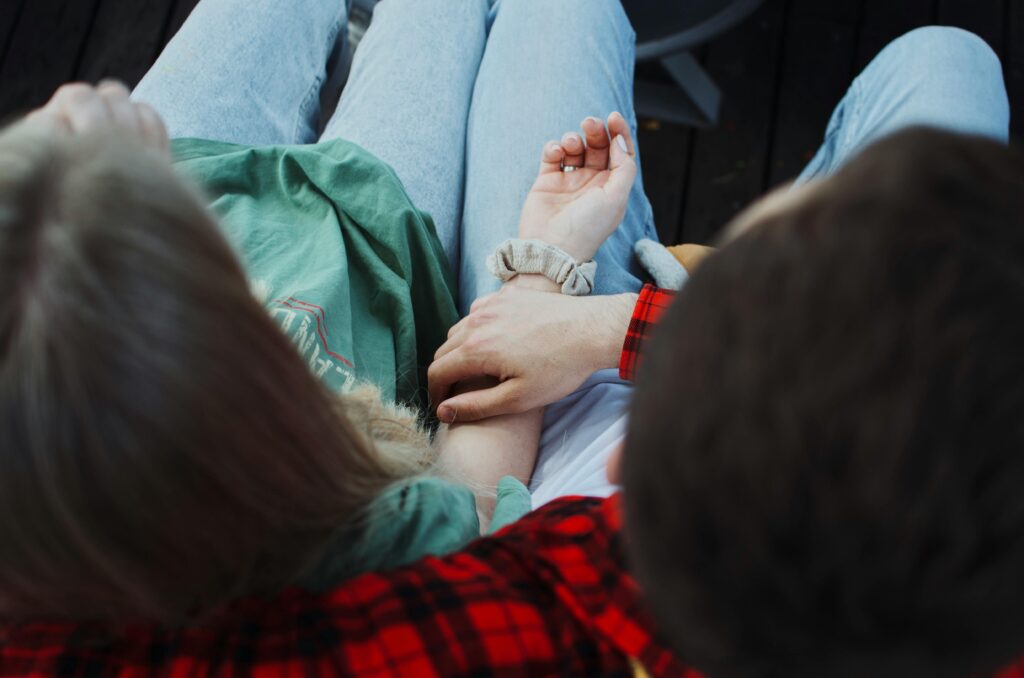
Comfort Can Slowly Replace Effort
There’s a paradox in long-term relationships. The more secure they become, the less pressure there’s to maintain the behaviors that created that connection in the first place.
In the beginning, effort feels natural. You listen more carefully, show appreciation, make space for each other even when life is busy. And then, those actions can become less consistent because they no longer feel urgent. With comfort sets in, a kind of assumption that the relationship will continue without needing the same level of attention. So relationships respond to what’s actively given to them.
External Pressures Reshape Internal Dynamics
Marriage exists within a broader context of responsibilities like financial stress, career demands, family expectations, and sometimes parenting. These external pressures reshape how two people interact. Stress can reduce patience, limit emotional availability, and shift focus away from the relationship toward survival or stability.
In these moments, changes in behavior can feel personal, even when they aren’t. One partner may seem withdrawn, less attentive, or emotionally distant, what’s often happening is that their capacity is being stretched in other areas of life. Without recognizing this, it’s easy to interpret change as loss rather than adaptation.


Growth Doesn’t Always Happen In The Same Direction
One of the more complex reasons people seem to change after marriage is that growth doesn’t stop. Individuals continue evolving emotionally, intellectually, and psychologically but not always at the same pace or in the same direction.
Differences that once felt manageable can become more pronounced such as interests shift, priorities change, and the way each person sees the world may no longer align as easily as it once did. This is being asked to adjust to two people who are no longer exactly who they were when they first came together.
Conclusion
The idea that people change after marriage oversimplifies what’s actually happening. In many cases, it’s a gradual shift shaped by stability, familiarity, responsibility, and ongoing personal growth. Recognizing this reframes them, it becomes something happening within it which can either create distance or invite a deeper, more honest way of relating, depending on how it’s understood.


