




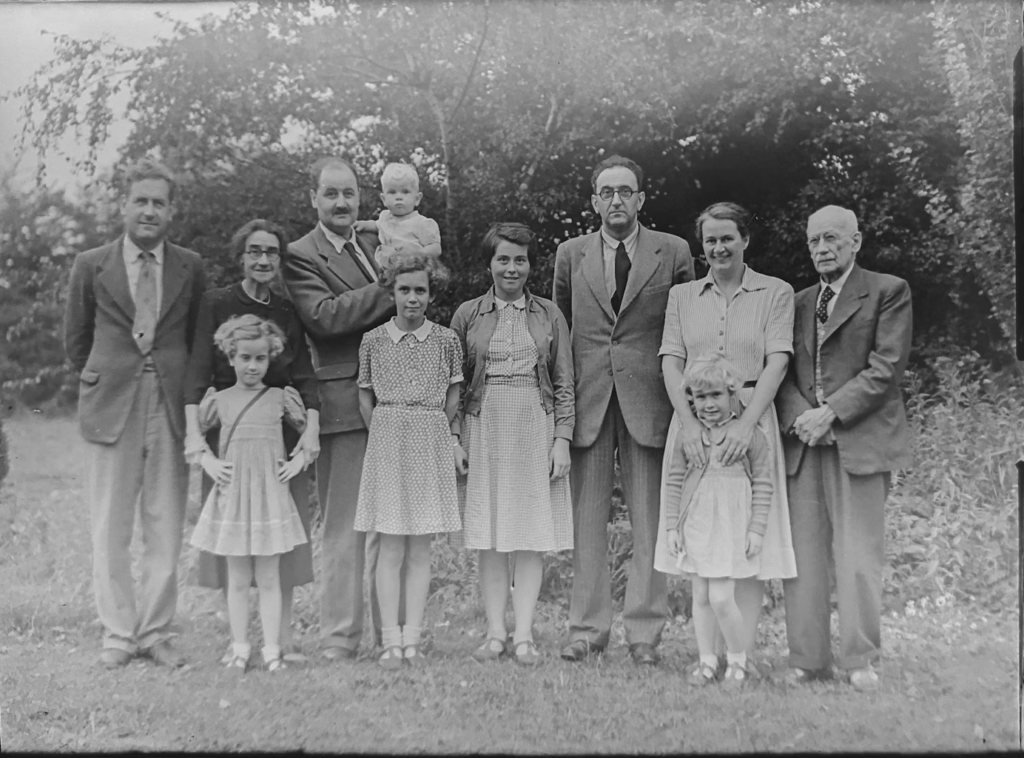
Intergenerational trauma, sometimes referred to as ancestral or historical trauma, is the phenomenon where the emotional and psychological wounds inflicted on one generation continue to affect subsequent generations. This kind of trauma isn’t merely the result of personal experiences but is often deeply embedded in family systems, communities, and even entire cultural histories.
It can manifest in a variety of ways, from unspoken emotional patterns to deep-rooted beliefs and behaviors that shape how families relate to each other, often in harmful ways. While this legacy of pain can seem overwhelming, there are pathways to healing. Understanding the transmission of trauma and how it shapes relationships is the first step toward breaking the cycle.
Understanding the Transmission of Intergenerational Trauma
At the core of intergenerational trauma is the idea that the emotional scars inflicted by one generation are passed down to the next. This process can occur in several ways, through behaviors, beliefs, emotional patterns, and even biological mechanisms.
Often, the trauma isn’t explicitly communicated but rather absorbed in subtle ways, such as through attitudes or body language. Children may witness or internalize their parents’ unresolved trauma, or they may adopt maladaptive coping strategies modeled by caregivers. This transmission isn’t always immediate. The effects of trauma can lay dormant for years, only surfacing in the form of emotional disorders, relationship issues, or even physical health problems.
For example, parents who have experienced neglect, abuse, or societal oppression may unintentionally pass on fears, anxieties, and unhealed wounds to their children, creating a generational pattern. This is particularly evident in marginalized communities, where collective trauma stemming from historical events, such as slavery, colonization, or war, continues to affect individuals long after the events themselves have passed.
In families, trauma can manifest through a range of unhealthy dynamics. Often, it appears as emotional unavailability, difficulty expressing vulnerability, or a tendency to bottle up feelings. The unspoken rules of these family systems can prevent healing, creating a cycle of silence and emotional repression. The individuals caught in these patterns often do not realize the impact of the past on their present relationships.
The Psychological and Emotional Impact


The emotional consequences of intergenerational trauma are significant and often manifest in behaviors that are difficult to break. Common symptoms include anxiety, depression, addiction, and PTSD, all of which can be compounded by the lack of understanding or acknowledgment of their origins.
These emotional scars can hinder an individual’s ability to form healthy relationships, perpetuating the cycle of dysfunction. A person raised in a household where emotional expression was discouraged or where trauma was never discussed might struggle with intimacy, trust, and communication in their adult relationships.
The effects on children of trauma survivors can be particularly pronounced. They may grow up without ever knowing the full extent of their parents’ past experiences, yet their behavior and emotional responses are often influenced by those hidden wounds. For instance, a child raised in a home with an emotionally distant parent may develop a fear of abandonment or a tendency to suppress their own emotions as a means of coping with the lack of emotional connection.
One of the most challenging aspects of intergenerational trauma is the way it skews perceptions of love, safety, and security. Individuals who haven’t experienced emotional safety in their formative years may struggle to understand what healthy love looks like. These early wounds affect how individuals approach their relationships, often making them feel unsafe, disconnected, or distant. The perpetuation of these patterns, without awareness, becomes a cycle that continues to affect future generations.
The Role of Biology and Epigenetics


Interestingly, research has shown that trauma can also be passed down through biological mechanisms. Epigenetics, the study of how environmental factors influence gene expression, has revealed that trauma can leave molecular marks on DNA. These marks can influence how genes are activated and passed down to subsequent generations, affecting an individual’s susceptibility to stress, mental health disorders, and even the ability to process emotions. In essence, the trauma of one generation may literally alter the genetic makeup of the next, increasing their vulnerability to similar psychological issues.
For example, children of trauma survivors may have heightened levels of stress hormones, such as cortisol, making them more sensitive to stress and anxiety. This biological predisposition can lead to a perpetuation of emotional responses that are hard to break, as the body is conditioned to react to certain situations in a specific way.
Healing the Cycle of Intergenerational Trauma

Breaking the cycle of intergenerational trauma requires deep self-awareness, compassion, and a willingness to confront painful legacies. While it’s a challenging process, healing is not only possible but also essential for the well-being of future generations. The first step toward healing is acknowledging that trauma exists and that it has shaped one’s experiences and relationships. This is often the most difficult part because it requires recognizing the pain that may have been ignored or minimized for years.
Therapy can be an invaluable tool in this process. Trauma-informed therapy, such as Eye Movement Desensitization and Reprocessing (EMDR) or somatic therapy, can help individuals process and release deeply held emotional wounds. These therapeutic modalities allow people to reframe their experiences, release trauma from the body, and gain new coping strategies for dealing with difficult emotions.
In addition to formal therapy, self-compassion and mindfulness are crucial for healing. Learning to be kind to oneself in the face of emotional distress and recognizing the inherent worth of one’s own experience can lead to profound shifts in how trauma is processed. Meditation and mindfulness practices can also help individuals reconnect with their body and emotions, making it easier to let go of old patterns and create new ones.
One of the most powerful ways to break the cycle is through relationship repair. Whether it’s through therapy, open conversations, or just intentional efforts to create a healthier family dynamic, repairing relationships can help prevent the transmission of trauma. Parents, in particular, have a unique opportunity to break the cycle by becoming conscious of their own trauma and learning healthier ways of relating to their children. The ability to nurture a safe, open environment where feelings are validated and expressed is essential for healing.


Furthermore, collective healing is important. Many communities suffering from historical trauma, such as Indigenous peoples or descendants of enslaved Africans, require community-based healing strategies that acknowledge the shared nature of their pain. Healing in these contexts often involves both personal and collective work, allowing individuals to process their trauma within the broader context of their cultural and historical experiences.
Moving Forward: A Path Toward Liberation


While the effects of intergenerational trauma are profound, it’s essential to remember that healing is a journey: one that takes time, effort, and support. By acknowledging the existence of trauma, seeking help when needed, and making intentional efforts to heal, individuals and families can begin to break the cycle. This work not only benefits the individuals involved but has the potential to heal entire family systems, communities, and even societies at large. As we continue to understand the complexities of intergenerational trauma, it becomes clear that the path to healing requires both individual courage and collective effort.
Healing isn’t about erasing the past but about rewriting the future. It involves recognizing the past’s impact and actively choosing a different path forward. By breaking the cycle of trauma, we create healthier relationships, stronger communities, and a more resilient future for generations to come.


