





Childhood trauma, though often invisible, shapes many aspects of our lives, leaving deep emotional, mental, and physical scars. These early-life experiences, whether they involve neglect, physical or emotional abuse, loss, or systemic oppression, create a lasting impact that can persist through adulthood. For many, the process of healing from these wounds can feel daunting, but it’s possible and essential for reclaiming a life filled with peace, clarity, and emotional well-being.
Understanding how trauma affects us is the first step toward recovery. While trauma impacts everyone differently, the common thread lies in its ability to distort perceptions of self, relationships, and the world around us. Fortunately, with the right tools, guidance, and support, healing from childhood trauma is achievable. This article will explore the essential steps in healing from childhood trauma and offer strategies for beginning the journey toward peace and self-empowerment.
Recognizing the Impact of Childhood Trauma
Before healing can begin, it’s essential to acknowledge the emotional and physical toll that childhood trauma has on one’s life. Trauma often manifests in ways that aren’t immediately recognized, through feelings of unworthiness, a constant fear of rejection, anxiety, depression, and difficulty forming healthy relationships. It might show up in chronic physical conditions such as headaches, digestive issues, or autoimmune diseases. Childhood trauma can impact how we approach love, success, and even our ability to trust others.
Understanding how these emotional and physical responses are linked to past trauma is key to breaking the cycle. When we recognize that the feelings or behaviors we carry were shaped by events outside our control, it becomes possible to untangle the layers of fear, shame, and confusion that bind us to those past experiences.
Step 1: Acknowledging the Trauma
The first and often the hardest step in the healing process is acknowledging that the trauma exists. Many people may feel shame or fear around their past experiences, especially if they come from environments where emotional expression was discouraged or trauma was normalized. However, accepting that what happened was real, and that it has affected your emotional and physical health, is crucial for the healing process.
Acknowledgment simply means recognizing its presence in your life. This step lays the foundation for healing by creating space for self-compassion and understanding. Understanding that trauma is a natural response to abnormal circumstances, rather than something inherently wrong with the person experiencing it, can help create a compassionate lens through which healing can occur.
Step 2: Seeking Professional Help


Healing from childhood trauma is a journey that often requires professional support. While self-help techniques and community support are vital, a licensed therapist specializing in trauma-informed care can offer the tools, safe space, and expert guidance necessary for deeper healing. Therapeutic approaches such as Eye Movement Desensitization and Reprocessing (EMDR), Cognitive Behavioral Therapy (CBT), and somatic experiencing help individuals process and release the emotional and physical wounds of trauma.
Therapists create environments where individuals can explore their experiences safely and work through the pain without judgment. Healing may involve confronting painful memories, but it also includes integrating these memories in a way that allows individuals to regain control over their lives, reducing their power to dictate behavior. Therapy offers a structured and supportive environment where individuals can learn healthy coping mechanisms, emotional regulation, and self-compassion.
Step 3: Building Emotional Awareness and Self-Compassion

One of the most powerful tools in trauma recovery is developing emotional awareness and self-compassion. Trauma survivors often grow up learning to suppress emotions or avoid vulnerability. Overcoming this requires creating space to feel, whether that means crying, journaling, or simply sitting with emotions without judgment.
Mindfulness practices, such as meditation and breathing exercises, are also invaluable for building emotional awareness. By slowing down and tuning into the present moment, individuals can begin to notice how their body responds to emotions and thoughts, allowing them to release stored pain gradually. Practicing self-compassion by treating oneself with kindness helps nurture the emotional resilience needed to overcome trauma.
Step 4: Cultivating Supportive Relationships
Healthy, supportive relationships are essential in healing from childhood trauma. For many, trauma has caused deep-seated trust issues, making it difficult to form meaningful connections. Rebuilding trust, however, is possible when individuals intentionally surround themselves with compassionate and understanding people.
Support networks can include close friends, family members, support groups, or online communities where people can share their experiences and empathize with others. Engaging with others who have experienced similar struggles can help normalize the healing process and combat feelings of isolation. Seeking out relationships that are based on mutual respect, emotional availability, and openness can help establish new, healthy patterns of connection.
Step 5: Developing Healthy Coping Strategies
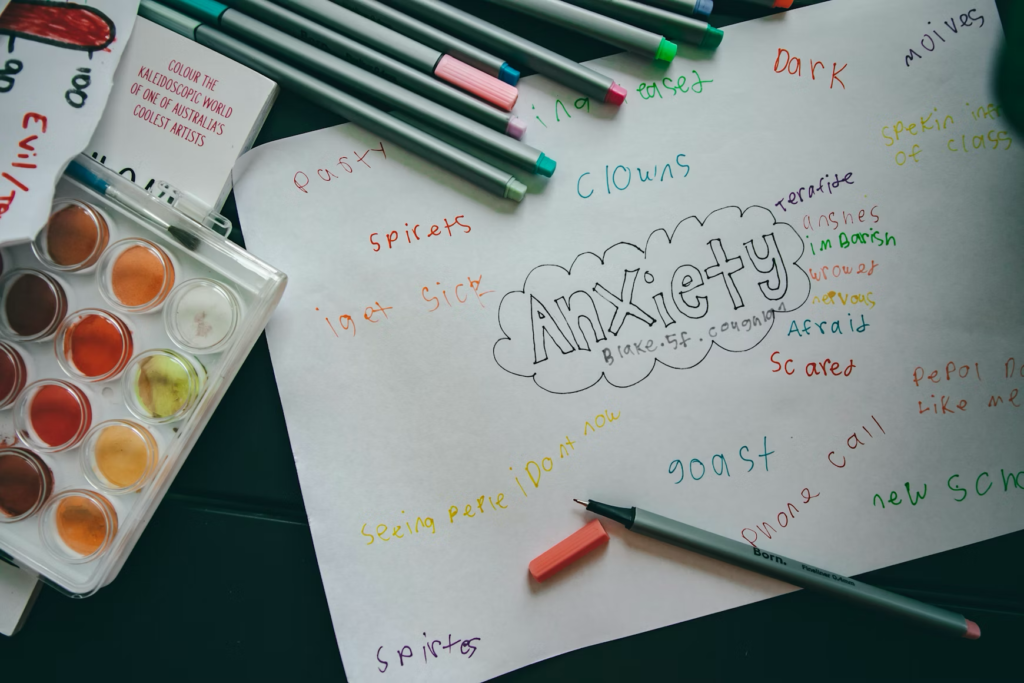
Trauma can lead to maladaptive coping mechanisms, such as substance abuse, emotional numbness, or self-destructive behaviors. In order to heal, it is crucial to develop healthier coping strategies. Mindfulness, exercise, art therapy, and hobbies can provide constructive outlets for emotions, replacing old patterns with new, positive ones.
Exercise, in particular, is known to have numerous benefits for trauma recovery, from reducing anxiety and depression to improving overall well-being. Physical movement helps release pent-up emotions stored in the body and encourages the production of endorphins, which promote feelings of happiness and contentment. Developing healthy routines that include self-care, such as healthy eating, proper sleep, and relaxation, also supports emotional recovery.
Step 6: Rewriting Your Narrative
Healing from childhood trauma also involves rewriting the narrative that the trauma created. Often, survivors carry with them negative beliefs about themselves, such as “I’m unworthy,” “I’m broken,” or “I don’t deserve happiness.” These internalized beliefs are often formed in response to trauma, but they aren’t reflective of reality.
Through therapy, self-reflection, and emotional work, it’s possible to rewrite this narrative. By recognizing that trauma doesn’t define worth, individuals can start to affirm new, positive beliefs about themselves. This process can be supported by affirmations, journaling, and engaging in activities that align with one’s authentic self. The goal is to create a new story, one in which the individual is not defined by past pain, but empowered by their strength and resilience.
Step 7: Practicing Forgiveness
Forgiveness is a powerful part of the healing process. It’s about releasing the hold that the past has on one’s emotional well-being. This might include forgiving oneself for any perceived shortcomings or mistakes, as well as forgiving others who have caused harm.
Forgiveness allows individuals to free themselves from the weight of anger and resentment, which can be barriers to healing. It doesn’t mean forgetting or condoning harmful actions but rather choosing to let go of the past in order to move forward with peace.
Step 8: Engaging in Community-Based Healing
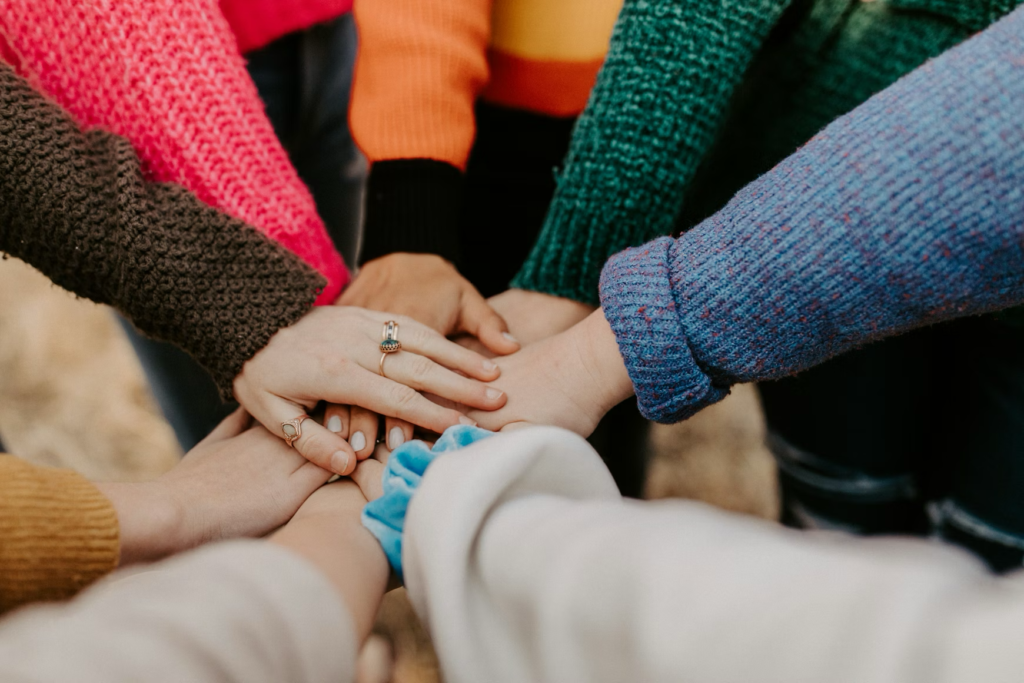
Healing is not only an individual process; it can also be a communal one. For many, trauma is a result of larger societal issues such as systemic racism, poverty, or violence. Acknowledging these broader societal factors can provide context for personal experiences of trauma and help individuals understand the systemic nature of their pain.
Community-based healing practices, such as collective storytelling, cultural rituals, and social justice work, can foster healing by addressing the collective wounds of a group. By participating in these healing efforts, individuals can feel a sense of purpose and solidarity, reinforcing the idea that healing is not only about personal growth but also about contributing to the well-being of others.
Step 9: Continuing the Healing Journey
Healing from childhood trauma is a lifelong journey. There is no quick fix, and the process can sometimes feel overwhelming. However, each step taken toward healing is a step toward reclaiming peace and wholeness. The key is persistence and compassion: continuing to seek support, refine coping strategies, and stay committed to personal growth.
Over time, individuals can reach a place where the trauma no longer defines them. Instead, they can look back at their experiences with a sense of understanding and resilience, knowing that they have transformed their pain into strength.
Conclusion
The healing process of childhood trauma isn’t easy, but it’s worth the effort. By acknowledging the trauma, seeking support, developing healthy coping mechanisms, and engaging in a process of self-compassion and forgiveness, individuals can begin the journey of recovery. Though it may take time, peace and healing are within reach. With dedication, professional support, and a commitment to self-love, it’s possible to break free from the chains of the past and live a life of peace and empowerment.


